
If your arms, legs, and shoulders feel rough, dull, or a little crepey no matter how much regular lotion you use, retinol body lotion might be the upgrade your routine has been missing. Retinol, a form of vitamin A, is famous for smoothing fine lines and speeding up skin renewal on the face, and those same benefits translate beautifully to the body when the formula is made for larger areas of skin.
Choosing the right retinol body lotion is not about finding the strongest formula on the shelf. It is about finding one that matches your skin type, your budget, and your tolerance, then using it consistently and patiently. This guide walks through how retinol works on the body, the best types of formulas for different concerns, and the simple habits that help you get smooth, healthy-looking skin without irritation.
1. How Retinol Works on Body Skin

Retinol works by encouraging the skin to renew itself more quickly, shedding dull surface cells and bringing fresher skin forward. On the body, that faster turnover softens rough patches on the elbows, knees, and heels, smooths the look of fine lines, and gives skin a more even tone over time. It also supports collagen, the protein that keeps skin firm and elastic.
Body skin is thicker than facial skin in most places, which is why body formulas can be a little stronger than face creams without causing the same level of irritation. Even so, results take time, and most people notice real changes after eight to twelve weeks of steady use. Think of retinol body lotion as a long-term investment rather than an overnight fix.
2. Best Retinol Body Lotions for Arms

The skin on the upper arms is one of the first places to show roughness and small bumps, so it is a great place to start with retinol. Look for a lotion with a light, fast-absorbing texture that will not feel sticky under sleeves, and a retinol level suited to beginners if you are new to the ingredient. A formula with added niacinamide or shea butter can calm the skin while the retinol does its work.
Apply the lotion to clean, slightly damp arms, massaging it in with upward strokes from the elbow toward the shoulder. Many people find that using it every other night at first, then building up to nightly use, keeps the skin smooth without redness or flaking. Over a few weeks, arms tend to look softer and more even.
3. Best Retinol Body Lotions for Legs

Legs take a lot of wear from shaving, sun, and dry air, which is why they often look dull or feel rough to the touch. A retinol body lotion can help by smoothing the surface, softening the look of ingrown hairs, and evening out patchy tone around the knees and ankles. Choose a richer cream texture for legs, since the skin there is often drier than elsewhere.
Massage the lotion into the legs after a warm shower, when the skin is still slightly damp and ready to absorb moisture. Pay extra attention to the shins and knees, where dryness shows most. With consistent nightly use, legs usually feel noticeably smoother within a month, and the glow builds from there.
4. Retinol Body Lotion for Crepey Skin

Crepey skin, that thin, finely wrinkled texture that often appears on the upper arms, chest, and above the knees, is one of the concerns retinol handles best. By encouraging renewal and supporting collagen, retinol helps the skin look thicker, firmer, and less paper-like over time. It will not erase crepey texture overnight, but steady use makes a visible difference.
For crepey areas, choose a formula that pairs retinol with peptides or ceramides, which support the skin barrier while renewal happens. Apply a generous amount and massage it in slowly, giving the product time to sink in. Most people see the best improvement after three months of nightly use, especially when they also wear sunscreen daily.
5. Retinol Body Lotion for Stretch Marks

Stretch marks form when the skin stretches quickly, and while no lotion can remove them completely, retinol can help them look less noticeable. Early stretch marks, which appear pink or red, tend to respond best, because retinol encourages new collagen and fresh skin cells in the area. Older, pale marks improve more slowly but can still look softer and smoother.
Look for a body lotion that combines retinol with hydrating ingredients like hyaluronic acid or squalane, and apply it directly to the marks twice a day if your skin tolerates it. Be patient and consistent, since visible fading usually takes several months. Pairing retinol with gentle massage also helps the product absorb and supports circulation in the area.
6. Retinol Body Lotion for Sensitive Skin

Sensitive skin does not have to miss out on retinol, but it does need a gentler approach. Choose a low-strength formula, ideally one labelled for sensitive skin, with soothing ingredients such as oat extract, allantoin, or ceramides. Avoid formulas with heavy fragrance or drying alcohols, which can add irritation on top of the retinol.
Start by using the lotion just two or three nights a week, and sandwich it between layers of plain moisturizer if your skin feels tight or tingly. That buffering trick slows the retinol down just enough to keep it comfortable. If redness or stinging lasts more than a few days, take a break for a week and restart even more slowly.
7. Fragrance-Free Retinol Body Lotions
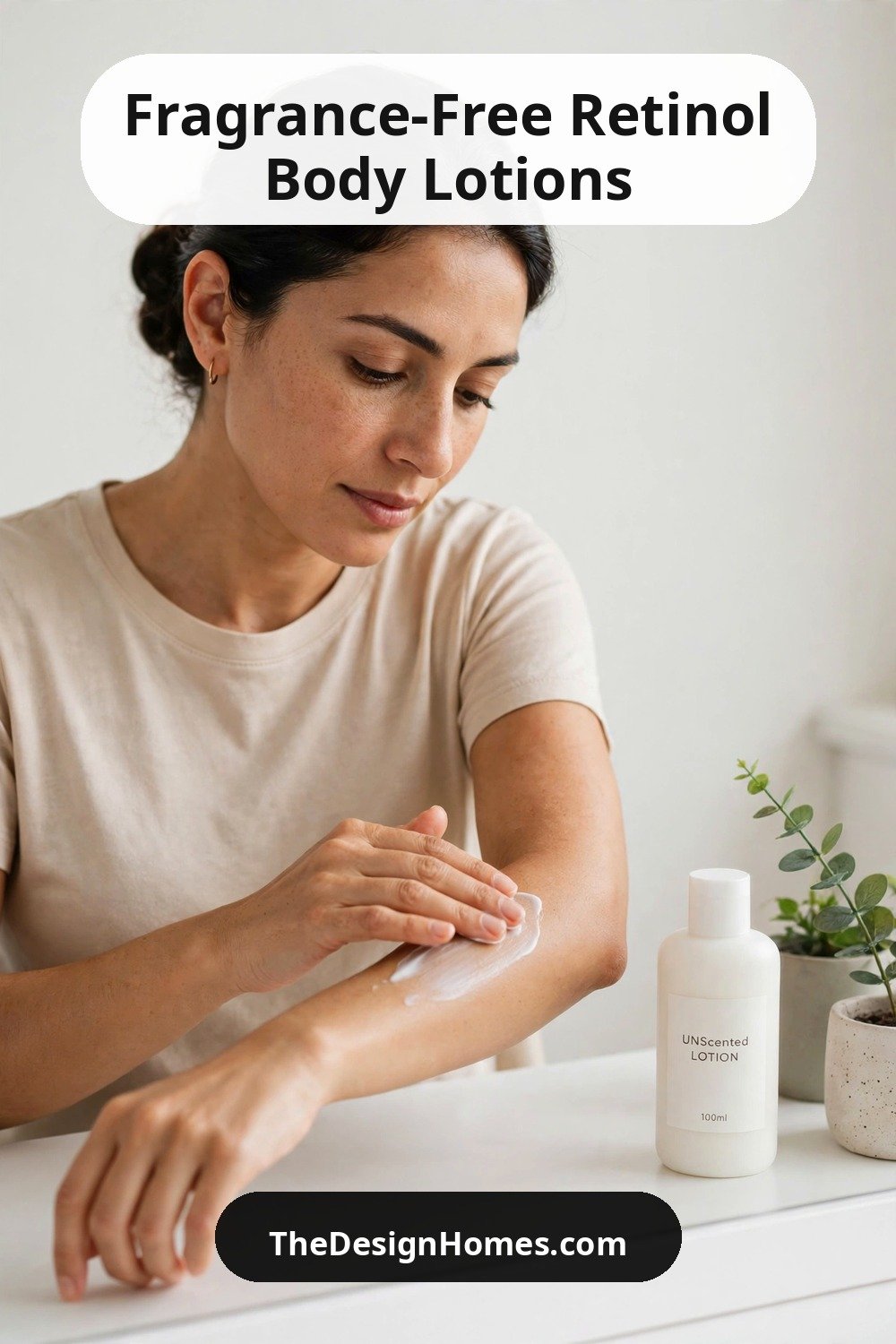
Fragrance is one of the most common irritants in body care, and it matters even more when a formula contains an active ingredient like retinol. Fragrance-free retinol body lotions skip perfumes and essential oils, which makes them a safer choice for sensitive skin, eczema-prone skin, and anyone who simply prefers a neutral scent. They are also less likely to sting freshly shaved skin.
When you shop, check the label carefully, because “unscented” and “fragrance-free” are not always the same thing. A truly fragrance-free lotion lists no perfume, parfum, or fragrant plant oils among its ingredients. The texture may feel plainer than a scented cream, but your skin will usually thank you for the simpler formula.
8. Drugstore Retinol Body Lotions That Work

You do not need a luxury price tag to get a good retinol body lotion. Drugstore formulas have improved enormously, and many now use stable, well-studied forms of retinol alongside moisturizing ingredients like glycerin and ceramides. They are often the smartest place to start, especially if you are still learning how your skin reacts to retinol.
Look for a drugstore lotion with clear retinol or retinyl propionate on the ingredient list, a pump or tube that limits air exposure, and a texture you enjoy using every night. The best budget formula is the one you will actually finish. If a drugstore option keeps your skin smooth and calm, there is no need to spend more.
9. Premium Retinol Body Lotions Worth the Splurge

Premium retinol body lotions often earn their higher price with more advanced delivery systems, such as encapsulated retinol that releases slowly through the night, or blends of retinol with peptides, antioxidants, and rich plant butters. These formulas can feel more elegant on the skin and may cause less irritation while still delivering visible smoothing over time.
A premium option makes the most sense when you have a specific concern, like stubborn crepey skin or deep dryness, that a basic formula has not solved. Pay attention to packaging too, since airless pumps protect retinol from light and air better than wide jars. Even at a higher price, a good premium lotion should last several weeks with nightly use.
10. How to Apply Retinol Body Lotion Correctly

Application matters almost as much as the formula itself. Start with clean, dry or slightly damp skin, and use enough lotion to cover the area without leaving a thick, greasy layer. A coin-sized amount per arm or leg is a good guide. Massage it in with slow, upward strokes until it absorbs, rather than rubbing quickly and moving on.
Apply retinol body lotion at night, since retinol can break down in sunlight and make skin more sensitive to UV rays. Wash your hands after applying it, and avoid putting it on broken, sunburned, or freshly waxed skin. Small habits like these keep the product working well and your skin comfortable.
11. Pairing Retinol Body Lotion With Moisturizer
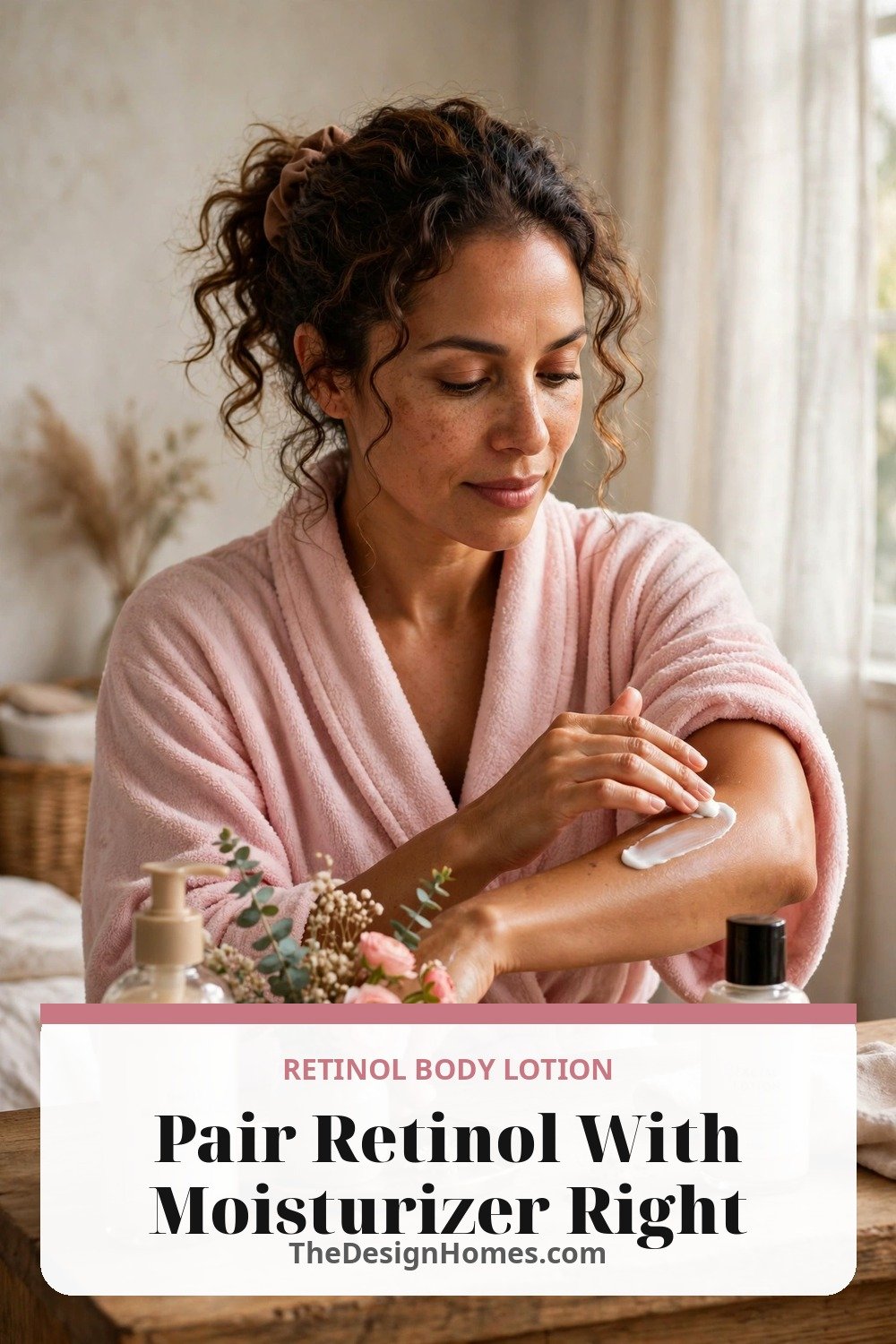
Retinol works best when the skin barrier stays healthy, and that is where a good moisturizer comes in. After your retinol lotion absorbs, layer a plain, fragrance-free moisturizer on top to lock in hydration and reduce dryness. This is especially helpful during the first few weeks, when the skin is still adjusting to the active ingredient.
You can also use the sandwich method, applying moisturizer first, then retinol, then moisturizer again, on nights when your skin feels sensitive. On mornings, skip the retinol and use a rich moisturizer instead. This simple pairing keeps skin soft and resilient while the retinol does its smoothing work underneath.
12. Retinol Body Lotion and SPF: Why Sunscreen Matters

Retinol makes skin more sensitive to sunlight, so sunscreen becomes non-negotiable the moment you start using a retinol body lotion. Without daily SPF, sun exposure can undo the smoothing progress you are making and increase the risk of redness and dark spots. Think of sunscreen as the partner that protects everything the retinol builds.
Use a broad-spectrum sunscreen of at least SPF 30 on any area where you apply retinol, and reapply it if you spend time outdoors. Apply it every morning, even on cloudy days, since UV rays pass through clouds easily. This one habit protects your results and keeps your skin healthier in the long run.
13. How Often to Use Retinol Body Lotion

Frequency is the key to getting results without irritation. Most people should start with two or three nights a week, giving the skin rest days in between to adjust. After two or three weeks with no redness or peeling, move up to every other night, and then to nightly use if your skin stays calm and comfortable.
If you notice flaking, tightness, or stinging, that is your skin asking for a slower pace, so drop back a step for a week or two. There is no prize for using retinol every night if your skin is unhappy. Consistent, comfortable use at a frequency your skin tolerates will always beat aggressive use that causes irritation.
14. Common Retinol Body Lotion Mistakes to Avoid

The most common mistake is starting too strong, too fast, and using a high-strength formula every night from day one. That approach usually leads to redness, peeling, and frustration, and many people give up before the retinol has a chance to work. A slow start and a gentle formula will get you further than an aggressive one.
Other mistakes include skipping sunscreen, mixing retinol with strong exfoliating acids on the same night, and applying it to damp, freshly shaved skin, which can increase stinging. Avoid using retinol body lotion on irritated or sunburned skin, and do not expect instant results. Patience and consistency are the real secrets to smooth skin.
15. Building a Smooth-Skin Body Care Routine
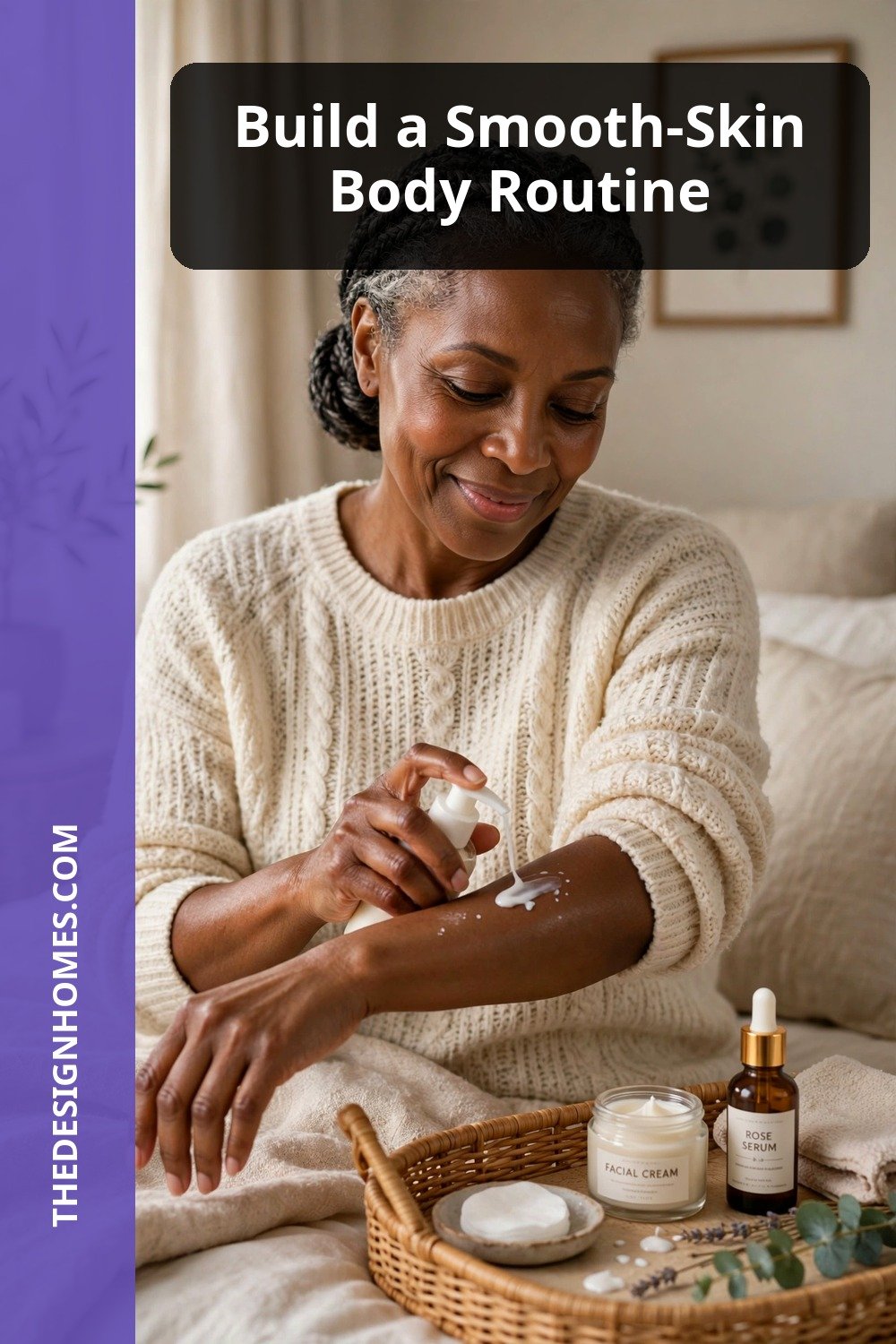
Retinol works best as part of a simple, complete body care routine. Start with a gentle, non-stripping body wash, exfoliate lightly once or twice a week with a mild scrub or washcloth, and apply your retinol body lotion at night. In the morning, follow with moisturizer and sunscreen on exposed areas.
Keep the routine simple enough to repeat every day, because consistency matters more than having ten products. Drink enough water, protect your skin from harsh sun, and give the routine at least three months before judging the results. Smooth, glowing body skin is built slowly, one nightly application at a time.
Conclusion
Retinol body lotion is one of the most effective ways to smooth rough, crepey, or dull skin on the body, and it works best when you choose the right formula for your skin type and use it patiently. Start gently, moisturize well, wear sunscreen every day, and give the product time to work. With steady use, most people see softer, firmer, more even-looking skin within a few months.
Whether you choose an affordable drugstore lotion or a premium formula, the habits around the product matter just as much as the product itself, and small daily choices like gentle cleansing and regular moisturizing will support everything the retinol does. Pick a lotion you enjoy using, build it into your nightly routine, and let consistency do the heavy lifting. Your smoothest skin is a few months of good habits away.
Frequently Asked Questions
Can I use retinol body lotion every day?
Most people can work up to daily use, but it is best to start two or three nights a week and increase gradually. If your skin stays calm with no redness or peeling, you can move to nightly use after a few weeks. If irritation appears, drop back to every other night until your skin adjusts.
Is retinol body lotion safe for sensitive skin?
Yes, with the right formula and a slow start. Choose a low-strength, fragrance-free lotion with soothing ingredients like ceramides or oat extract, and use the sandwich method with moisturizer to reduce irritation. If redness lasts more than a few days, pause for a week and restart more slowly.
Can retinol body lotion remove stretch marks completely?
No lotion can remove stretch marks completely, but retinol can make them look less noticeable over time. Early, pink or red marks respond best, since retinol supports collagen and fresh skin renewal. Visible fading usually takes several months of consistent use.
Should I use retinol body lotion in the morning or at night?
Use it at night, because retinol breaks down in sunlight and makes skin more sensitive to UV rays. Apply it to clean skin before bed, then use moisturizer and broad-spectrum sunscreen in the morning to protect the areas you treated.
How long does it take to see results from retinol body lotion?
Most people notice smoother skin within four to six weeks, with the best visible results after eight to twelve weeks of steady use. Deeper concerns like crepey skin or stretch marks may take three months or longer, so patience and daily sunscreen are essential.