
There is something magical about the opera. Long before the curtain rises, the theatre tells a story — velvet seats glowing under golden light, gilded balconies curving overhead, and a hush of anticipation in the air. Opera aesthetic decor brings that ceremony into the home, turning everyday rooms into spaces that feel grand, romantic, and a little theatrical.
The look balances opulence with warmth. Deep jewel tones, heavy fabrics, ornate gold accents, and classical artwork create a layered, collected feeling, while soft candlelight and plush textures keep the room inviting. Whether you live in a period home or a modern flat, a few well-chosen pieces can capture the spirit of the opera.
1. Grand Velvet Curtains
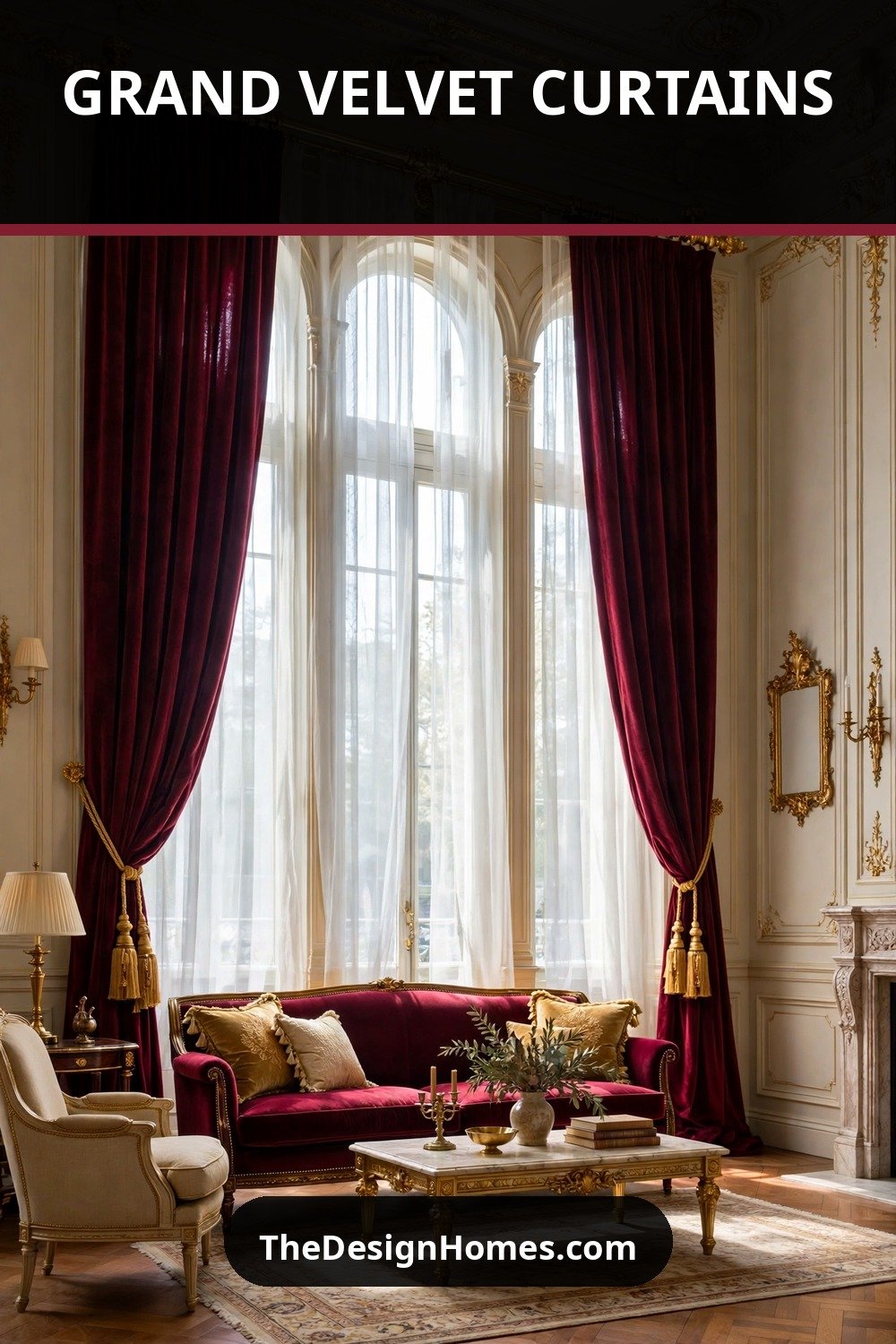
Nothing says opera like heavy velvet curtains sweeping to the floor. Choose burgundy, emerald, deep navy, or plum, and hang them high so the fabric pools slightly at the bottom, just like stage curtains. The weight of velvet creates soft, sculptural folds that catch the light and make a room feel taller, warmer, and more formal.
For the most theatrical effect, layer velvet over sheer voile panels. The sheers soften daylight and add a dreamy glow, while the velvet frames the window like a proscenium arch. Extend the rod beyond the frame and use extra-wide panels so the curtains look generous rather than skimpy.
2. Gilded Baroque Mirror Wall
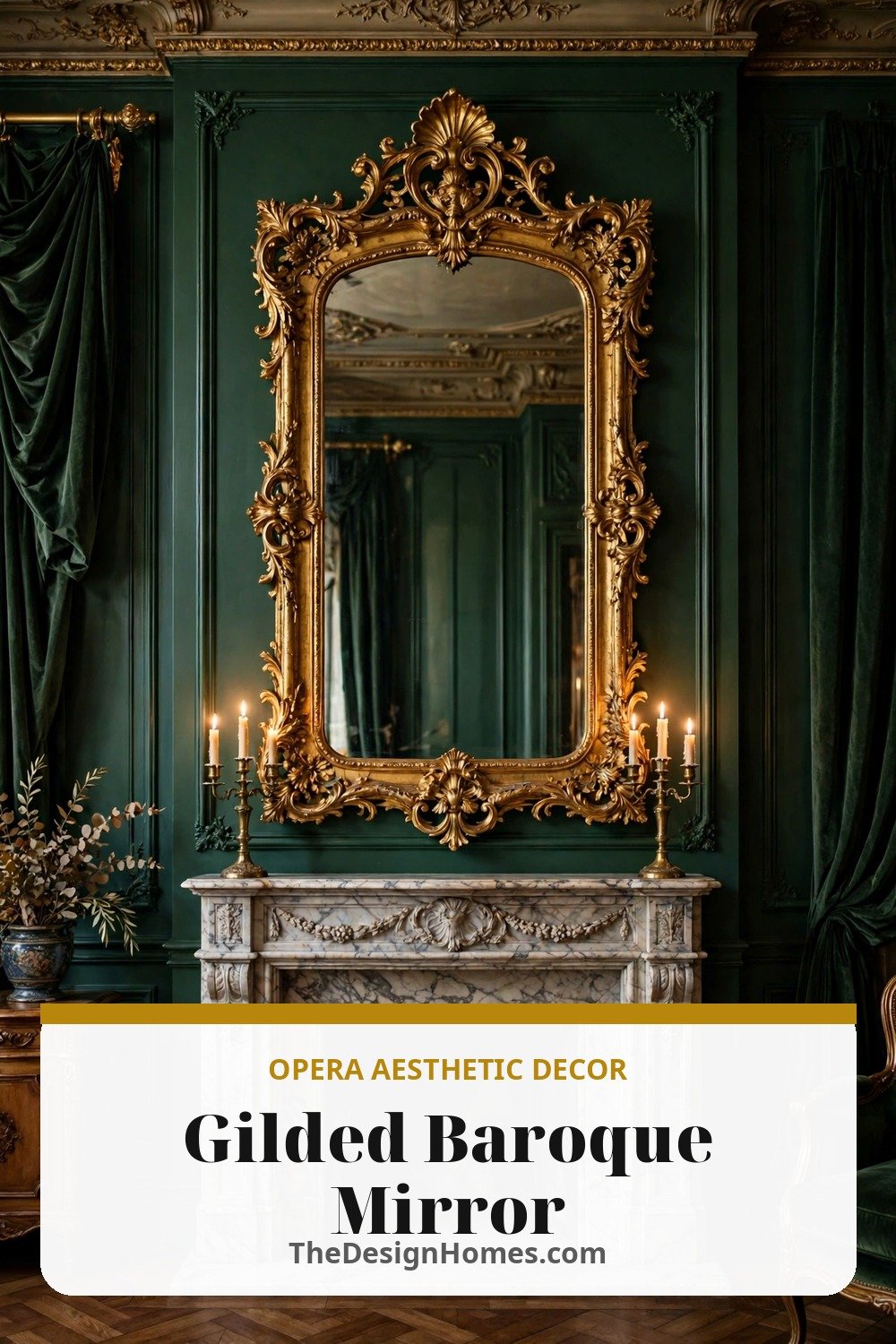
A gilded baroque mirror is the opera house in miniature — ornate, reflective, and impossible to ignore. Hang one large mirror with a carved, gold-leaf frame above a fireplace or console table and let it become the focal point. It bounces light around the room, making it feel larger and brighter, while the elaborate frame adds old-world craftsmanship.
If one large mirror feels too much, group two or three smaller gilded mirrors in different shapes — oval, arched, and rectangular — on a single wall. Keep the surrounding wall deep and muted, such as charcoal or dark green, so the gold frames stand out and glow like jewels.
3. Crystal Chandelier Centrepiece
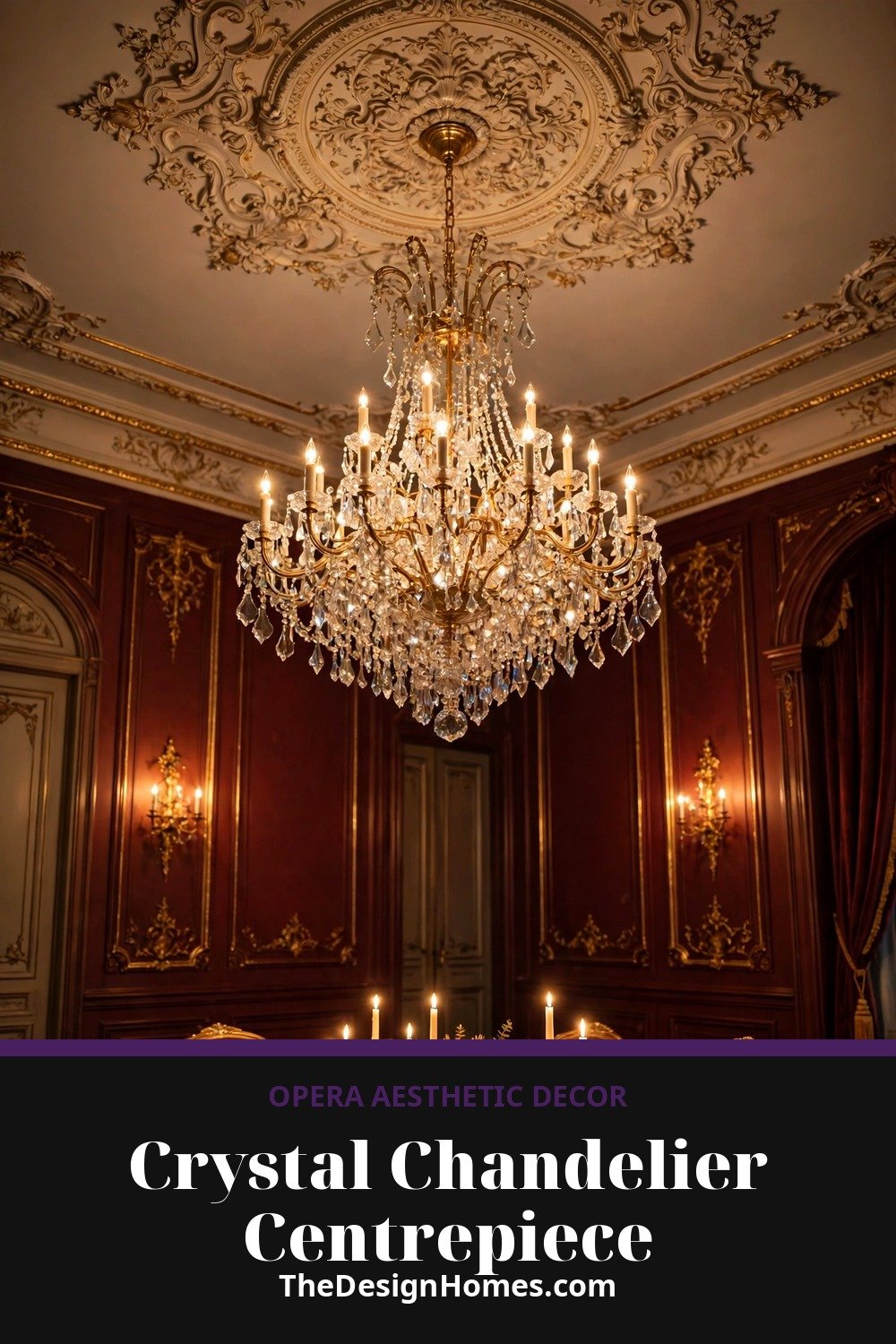
Every great opera house has a chandelier that takes your breath away, and your home deserves one too. A crystal chandelier above a dining table or in the centre of a living room instantly sets a grand, celebratory tone. The crystals scatter light across the ceiling and walls, creating a sparkling effect that feels magical in the evening.
If a full crystal chandelier is beyond your budget, look for vintage-inspired designs with glass drops, candle-style bulbs, and a brass or gold-toned frame. Pair it with a dimmer switch so you can lower the light for dinner parties. The warm glow of a chandelier at half brightness makes an ordinary evening feel special.
4. Deep Burgundy and Gold Colour Palette

The opera aesthetic is built on deep, saturated colour. Burgundy, oxblood, forest green, midnight blue, and aubergine form the dramatic base, while gold, brass, and warm cream provide light and contrast. Paint one feature wall in a deep jewel tone, or use it through upholstery and rugs, then layer gold accents to lift the scheme.
Balance is the key to making this palette work. Keep ceilings and woodwork in warm off-white so the room does not feel closed in, and add lighter textures such as ivory linen or a cream rug to break up the depth. A touch of blush pink can soften burgundy beautifully.
5. Classical Busts and Sculptures
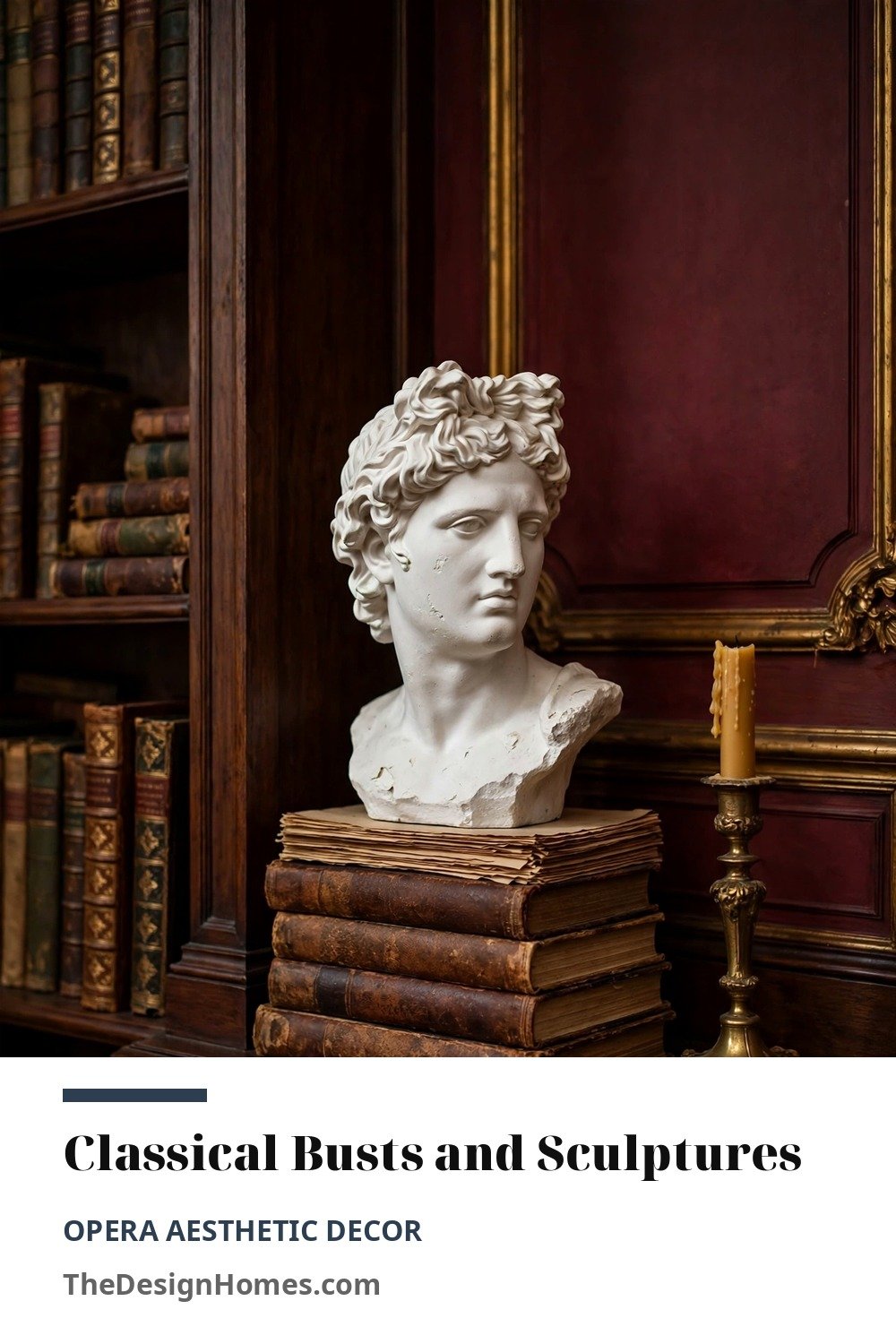
Classical busts are the quiet stars of opera aesthetic decor. A white plaster bust of a muse, a composer, or a mythological figure on a bookshelf, mantelpiece, or pedestal adds instant history and gravitas. These pieces echo the statues in opera house foyers and recall the art form’s roots in ancient Greek and Roman drama.
Style your busts with intention. Place a small bust on a stack of old books, pair a larger sculpture with a brass candlestick, or set matching busts on either side of a fireplace. A slightly aged finish looks more authentic than a perfect, glossy one, and a small statue of a dancer works just as well.
6. Stage-Inspired Feature Wall
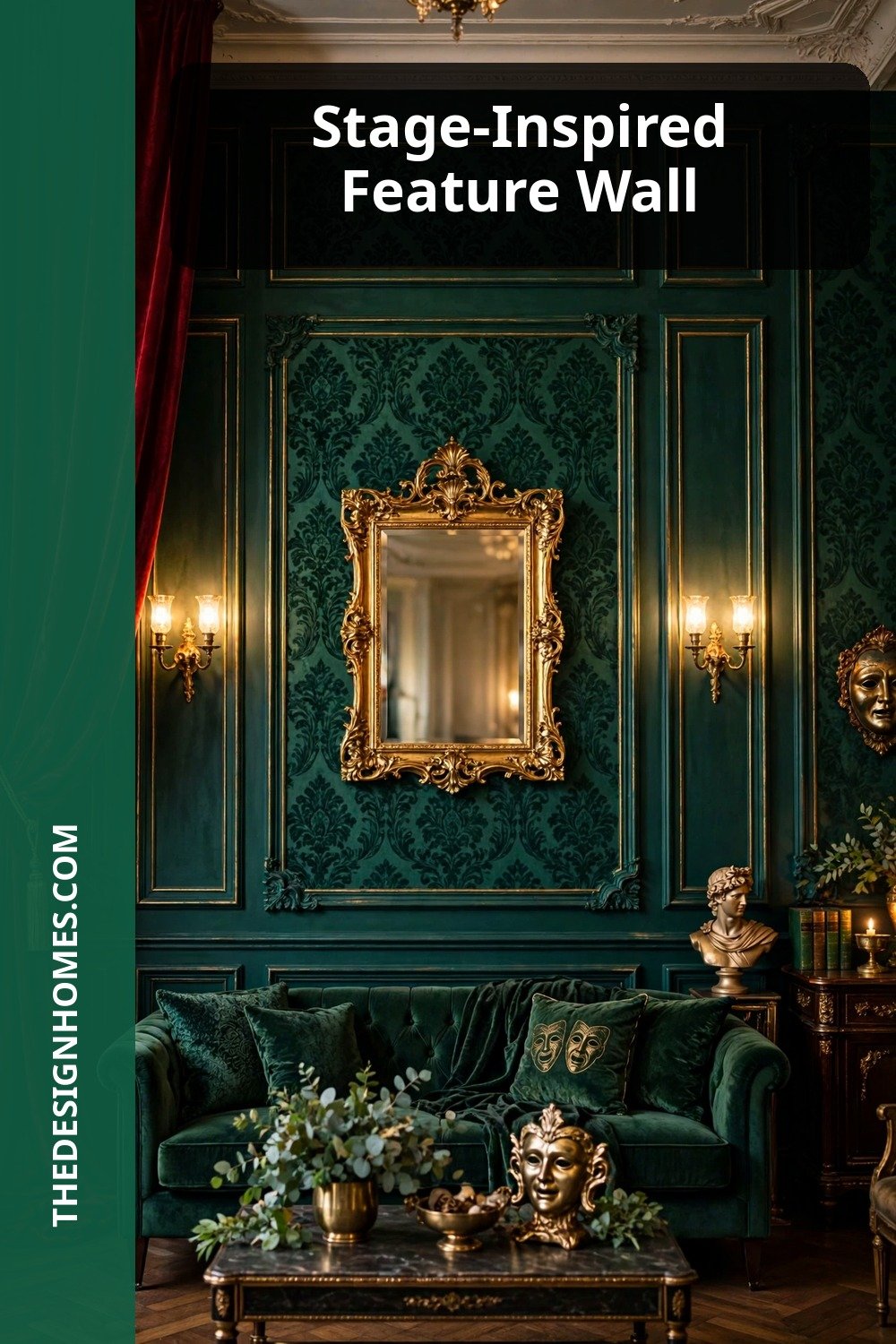
Turn one wall into your own private stage. Deep green or burgundy paint, dark damask wallpaper, or wood panelling in a moody shade all create a backdrop worthy of an aria. This wall becomes the natural home for your largest artwork or mirror, and it gives the whole room depth and occasion. Commit fully to one wall and keep the others lighter.
For extra drama, frame the feature wall like a stage. Add picture-frame moulding, slim columns at the edges, or a pelmet above the curtains that mimics a theatre valance. Small brass picture lights will wash the wall with warm light in the evening, just like stage lighting.
7. Opera Box Seating Nook
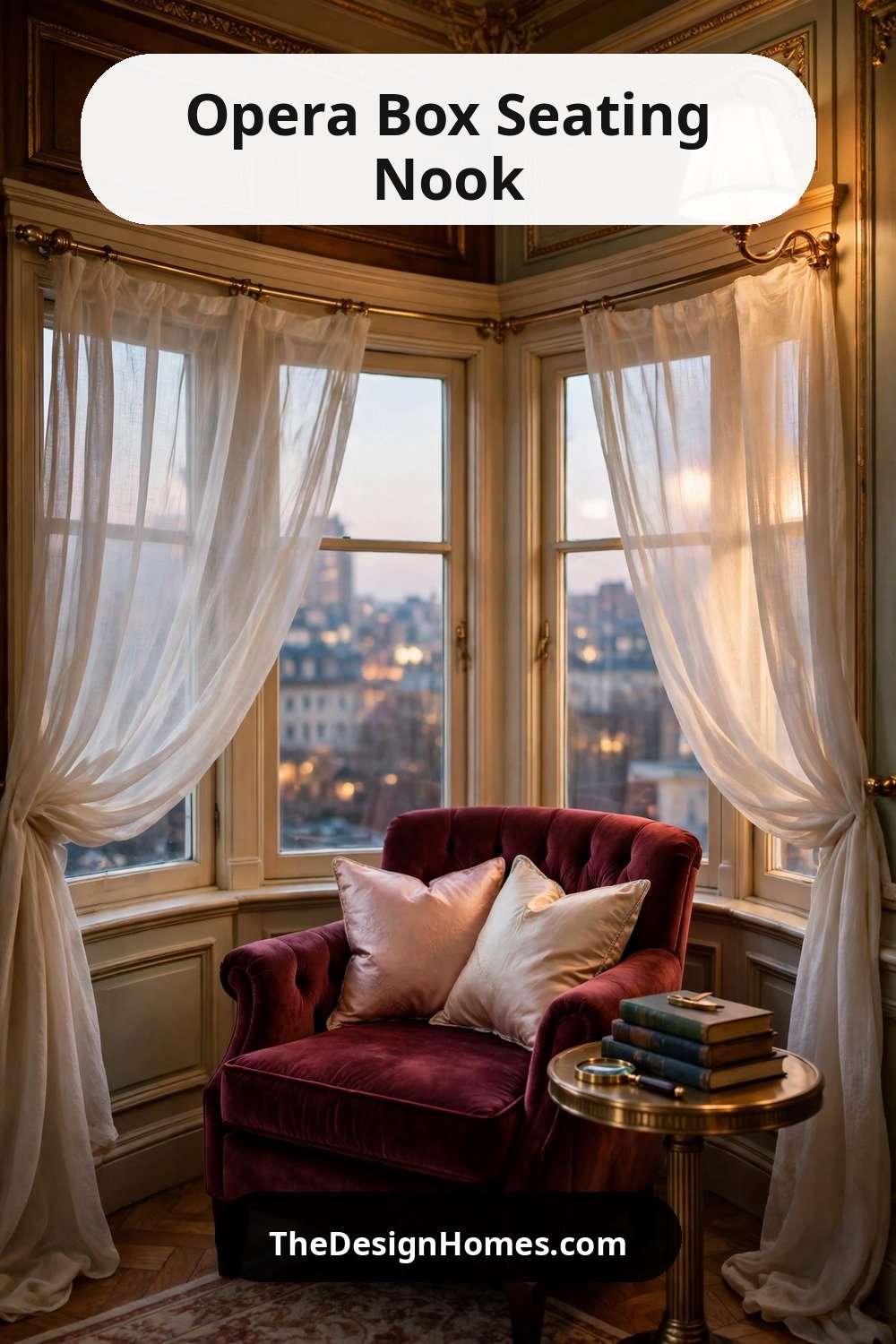
Opera boxes are the most romantic seats in the house — private, plush, and slightly above the action. Recreate that feeling with a cosy nook in a bay window, an alcove, or a quiet corner. Start with a deep armchair or small loveseat in velvet or brocade, add a cushion and a throw, and place a small side table nearby for a book and a cup of tea.
Make the nook feel special with theatrical touches. Hang a sheer drape across the opening, add a brass wall sconce or a warm reading lamp, and keep opera glasses or a beautiful book on the side table. A round rug underneath the chair defines the space, making it feel like a little stage of its own.
8. Vintage Playbill Gallery Wall

A gallery wall of vintage playbills and opera posters is one of the most personal ways to bring the opera aesthetic home. Hunt for reproductions of classic posters — La Traviata, Carmen, The Magic Flute, or Swan Lake — in charity shops, flea markets, and online print shops. Frame them in matching gold or black frames and hang them above a sofa, along a hallway, or up a staircase.
To keep the gallery curated rather than cluttered, stick to a consistent frame colour and leave breathing space between frames. Mix in a small mirror, a theatre mask, or a framed ticket stub for variety, but let the posters do most of the talking. A framed quote from your favourite opera adds a perfect finishing touch.
9. Rich Brocade Upholstery
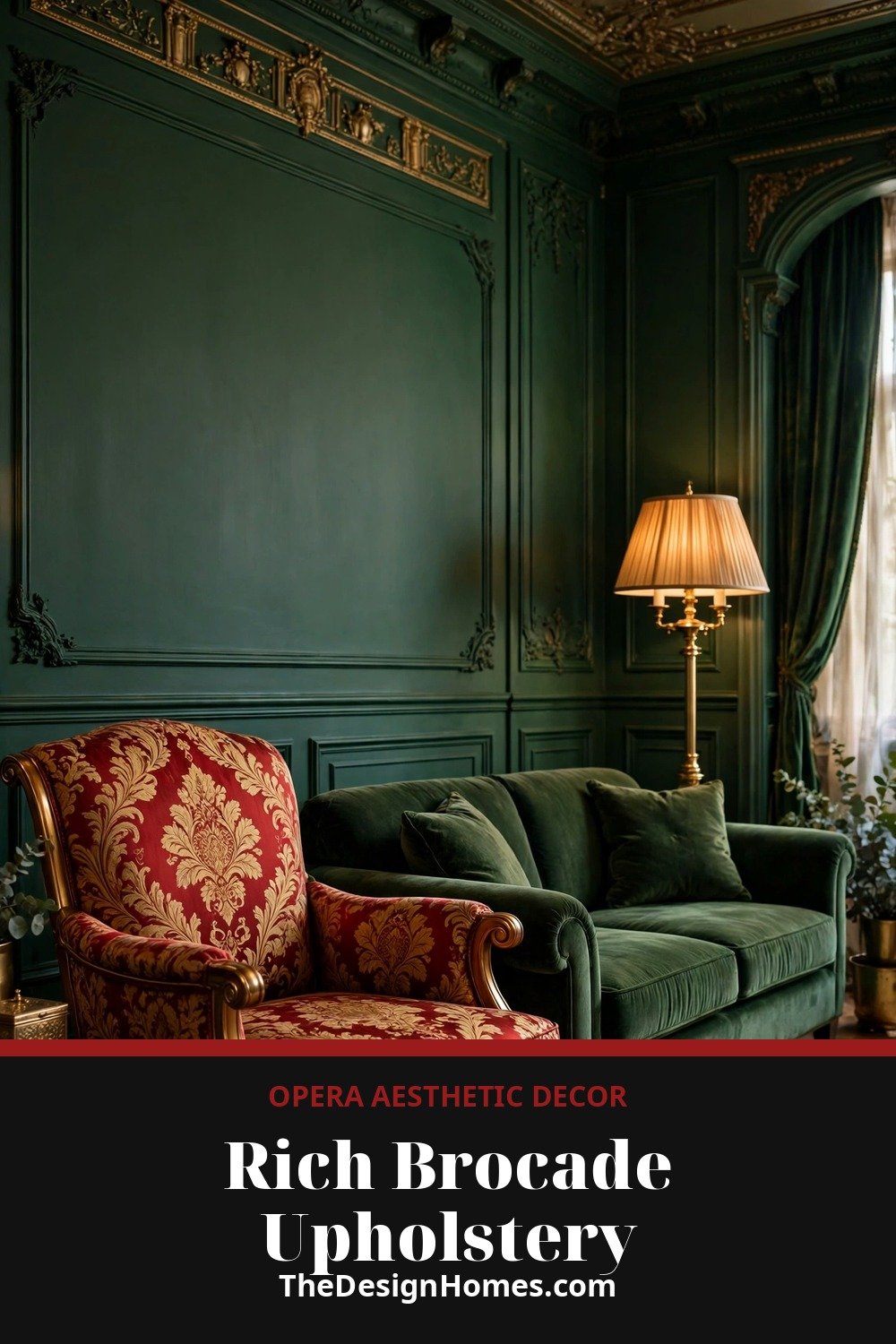
Brocade is the fabric of the opera house — woven with raised patterns of flowers, scrolls, and damask motifs, it looks and feels unmistakably luxurious. Use it on a statement armchair, dining chairs, or scatter cushions to bring pattern and texture into a room. A brocade chair in deep red or gold becomes an instant heirloom piece.
If full brocade upholstery feels too bold, start small. A brocade cushion, footstool, or bench seat is an easy way to test the pattern. Pair brocade with solid velvet, smooth silk, and plain linen so the pattern has room to shine. A brocade ottoman at the foot of a bed can turn a plain bedroom into a romantic retreat.
10. Marble and Gold Fireplace Mantel
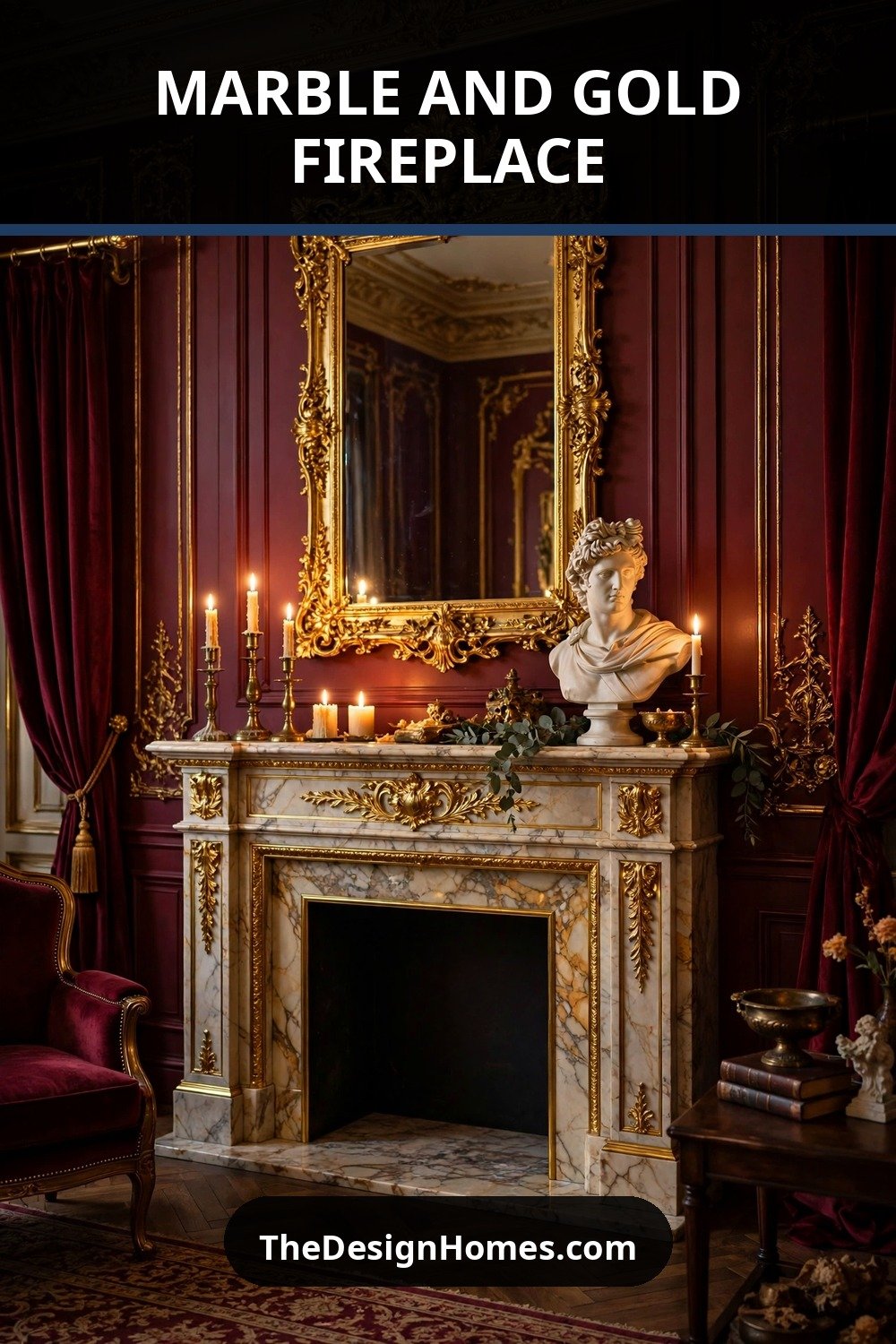
A fireplace is the natural heart of a grand room, and an opera-inspired mantel makes it unforgettable. Style it with a marble surround, gold candle holders, a classical bust, and a large gilded mirror above. The combination of cool marble, warm gold, and flickering candlelight creates a focal point that draws everyone in. Even a non-working fireplace can be dressed with candles and dried flowers.
Pay attention to the details around the mantel. Matching candlesticks, a small brass clock, and a garland of greenery add layers without clutter. Paint the surround in a deep shade or add marble-effect tiles, and keep a basket of logs nearby. A well-dressed mantel is like the stage of your living room.
11. Theatrical Candlelight and Sconces

Lighting makes or breaks the opera aesthetic, and candlelight is its most romantic tool. Fill your rooms with candles — tall tapers in brass holders on the dining table, pillar candles on the mantel, and small votives on windowsills. The flickering glow softens every surface, makes gold shimmer, and creates the hushed atmosphere of a theatre before the performance begins.
Wall sconces are the perfect partner for candlelight. Brass or gold sconces with crystal drops, placed in pairs beside a mirror or artwork, add a warm wash of light and old-world glamour. Use warm bulbs and dimmer switches to control the mood. In the evening, turn off the overhead lights and let the candles and sconces do the work.
12. Ornate Ceiling Medallions and Moulding
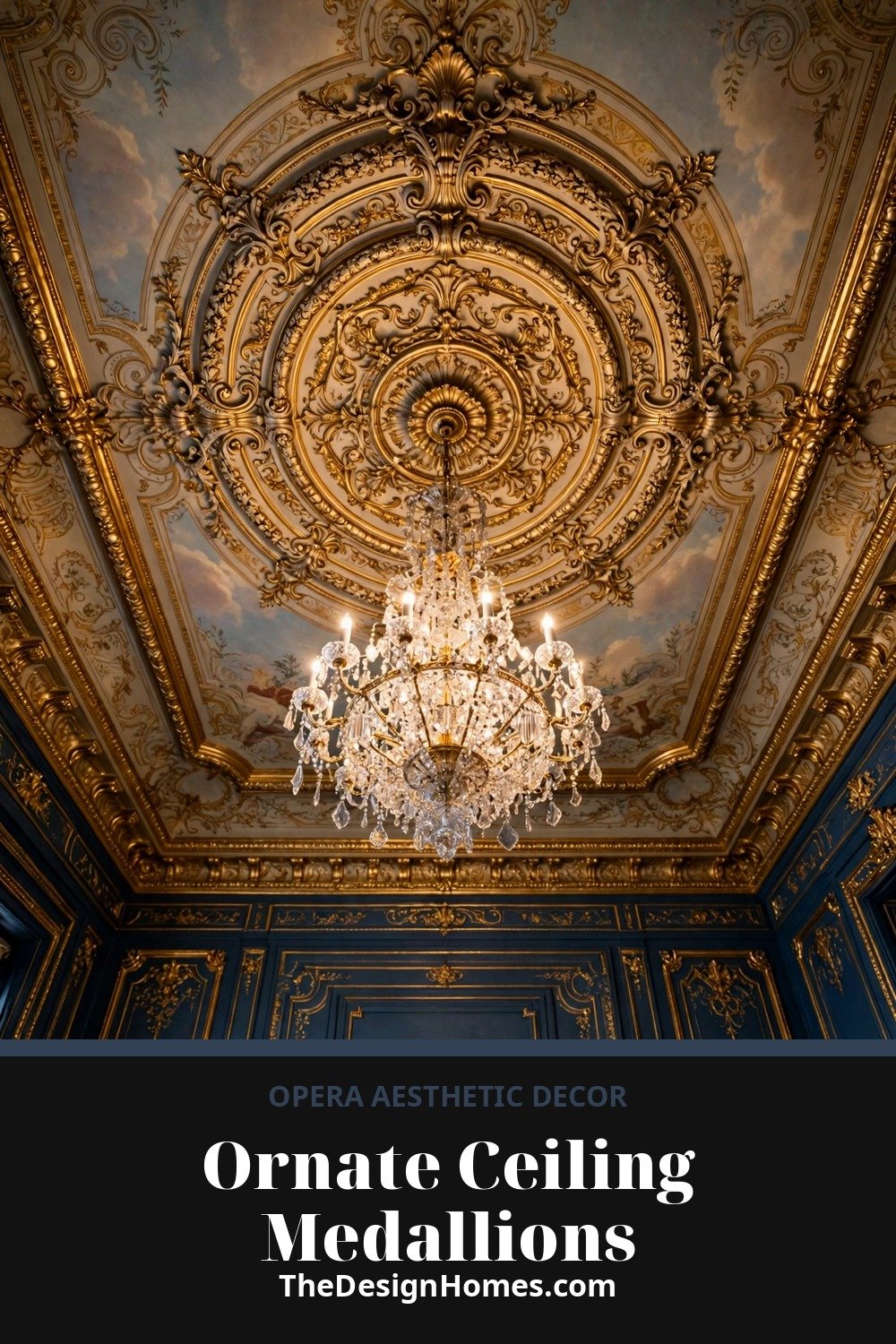
Look up in any grand opera house and you will see ceilings worth admiring — painted panels, gilded moulding, and ornate medallions framing the chandelier. Bring that detail home with a decorative ceiling medallion around your light fitting, or picture-frame moulding on the walls. These plaster details are affordable and easy to install, yet they instantly make a plain room feel historic.
For a fuller effect, add a picture rail or slim cornice where the wall meets the ceiling, painted in the same colour as the ceiling or in soft gold. In a bedroom, a medallion above the bed or a moulded panel behind the headboard creates a focal point straight out of a period drama.
13. Antique Opera Glasses and Props Display

Opera glasses are small, beautiful, and full of romance — the perfect decorative object for an opera-inspired home. Display vintage brass or mother-of-pearl opera glasses on a bookshelf, dressing table, or console, where they can be admired and even used. Pair them with a feathered mask, white gloves, a silk fan, or old programmes tied with ribbon.
Create a dedicated display on a tray, a shelf, or inside a glass cabinet so the collection feels curated rather than scattered. A dark velvet-lined tray makes brass and pearl shine, while a small brass stand holds the glasses upright like a sculpture. Hunt for these pieces at antique shops, where each find carries its own history.
14. Dramatic Arched Doorways and Columns
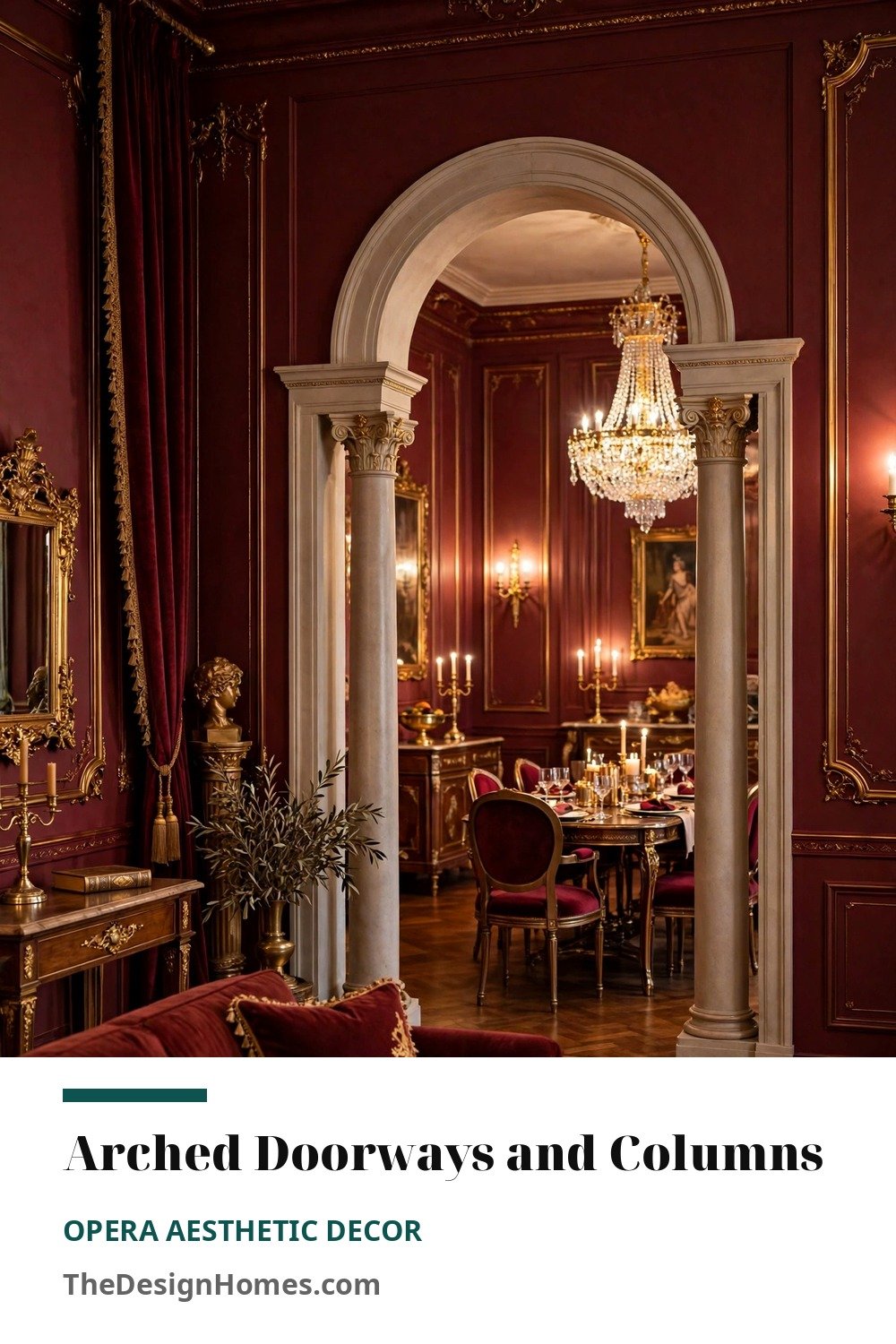
Arches and columns are the architecture of the opera house, and they can transform the bones of your home. If you are renovating, consider an arched doorway between the living and dining rooms, or slim columns framing a hallway entrance. Arches soften a room’s lines, add grandeur, and create beautiful framed views from one space into the next.
For a lighter touch, suggest columns without major building work. Tall, narrow bookcases on either side of a doorway, a fluted pilaster strip, or a large arched mirror can all create the feeling of classical architecture. Paint arches in soft cream or pale gold so they stand out against a deeper wall colour.
15. Layered Velvet and Silk Textiles

The final layer of opera aesthetic decor is softness — velvet, silk, and brocade that make a room feel indulgent and inviting. Drape a velvet throw over a sofa arm, layer silk cushions in jewel tones and gold, and add a thick, patterned rug underfoot. In the bedroom, layer a silk bedspread over crisp linen sheets with velvet cushions and a fringed throw.
Mix textures deliberately rather than piling on at random. Pair smooth silk with plush velvet, matte linen with shimmering brocade, and a soft wool rug with a cool marble surface. Keep the palette consistent — burgundy, gold, and cream, for example — so the layers feel harmonious. When every surface invites touch, the room becomes a home, not a showpiece.
Conclusion
Opera aesthetic decor is really about permission — permission to be dramatic, romantic, and a little extravagant in your own home. You do not need a palace or a huge budget. A pair of velvet curtains, a gilded mirror, a chandelier, and a few candles can change the mood of a room completely, and each idea here can stand alone or build on the others.
The most beautiful opera-inspired homes feel lived in as well as looked at. Mix the grand with the personal — your favourite books, photographs, and music — and the drama will feel like yours, not borrowed from a stage set. Light the candles, put on your favourite aria, and enjoy a home that feels like opening night.
Frequently Asked Questions
What is opera aesthetic decor?
Opera aesthetic decor is a romantic, theatrical interior style inspired by grand opera houses. It uses deep jewel tones such as burgundy and emerald, heavy velvet and brocade fabrics, gilded mirrors, crystal chandeliers, classical sculptures, and candlelight to create a dramatic, elegant atmosphere for everyday living spaces.
How can I get the opera look on a small budget?
Start with high-impact, low-cost changes: velvet-look curtains, second-hand gilded mirrors, thrifted brass candlesticks, and a cluster of candles. Add one statement piece, such as a small chandelier, and build the look slowly with vintage finds from charity shops and flea markets. A single deep-coloured feature wall costs little and makes a huge difference.
What colours work best for opera aesthetic decor?
Deep jewel tones are the heart of the palette: burgundy, oxblood, forest green, midnight blue, and aubergine, balanced with gold, brass, and warm cream. Keep ceilings and woodwork light to prevent the room feeling dark, and add small touches of blush pink or dusty rose to soften the scheme.
Can opera aesthetic decor work in a small home?
Yes. Choose a few dramatic pieces rather than filling every corner. One gilded mirror, one pair of velvet curtains, and a small chandelier can give a compact room the full opera feeling. Use mirrors to bounce light around, keep furniture scaled to the room, and let one statement piece do the dramatic work.
How do I keep an opera-inspired room from feeling too dark or heavy?
Balance the drama with light and texture. Keep ceilings white or cream, use sheer voile panels behind heavy curtains, and add mirrors and crystal to reflect light. Layer in lighter fabrics such as ivory linen and pale silk, and use warm, dimmable lighting rather than a single harsh overhead light.