
Wavy hair lives in a beautiful in-between world. It is not quite straight and not quite curly, so it needs a routine that respects its natural bend without weighing it down or forcing it into tight ringlets. A good curly hair routine for wavy hair is less about buying dozens of products and more about learning what your waves love and what leaves them limp, frizzy, or stringy. Get the balance right and your waves look effortless, defined, and full of movement.
This guide brings together easy ideas that actually work for wavy hair, from wash day basics to overnight tricks and gentle styling habits that protect your pattern. You do not need to try them all at once. Pick the routines that match your hair and lifestyle, test them for two or three wash days, and keep the ones that make your waves spring up happily. Every routine below is simple and repeatable, so your waves look their best on a busy Monday as well as a relaxed weekend.
1. Gentle Wash Day

Start with a gentle, sulfate-free shampoo that cleans your scalp without stripping the natural oils your waves need to stay soft. Focus the shampoo on your roots, massaging with your fingertips for a full minute, and let the suds run down the lengths as you rinse instead of piling your hair up and scrubbing roughly. This protects your wave pattern from tangling and frizz before styling even begins.
Follow with a lightweight conditioner on the mid-lengths and ends, where wavy hair tends to be driest. Leave it in for two to three minutes, then rinse with cool or lukewarm water to seal the cuticle and encourage shine.
2. Co-Wash Refresh

A co-wash, or conditioner-only wash, refreshes wavy hair between full shampoo days without drying it out. Wet your hair thoroughly, then massage a lightweight cleansing conditioner into your scalp the way you would a shampoo, working it through the roots to lift away sweat and light buildup. Rinse well and add a tiny amount of regular conditioner on the ends if they feel dry.
Co-washing works best once or twice a week, especially for wavy hair that leans dry or frizz-prone, and it is a lifesaver after a workout or a humid day. If your scalp feels itchy or your roots look flat afterwards, alternate with a proper shampoo wash so buildup never settles in.
3. Plopping for Definition

Plopping is a hands-off drying technique that helps waves clump together and dry in their natural shape instead of being pulled straight by gravity. After washing, apply your leave-in and styling products to soaking wet hair, lay a cotton T-shirt flat, flip your hair forward into its centre, and wrap the fabric around your head like a turban. Leave it on for fifteen to thirty minutes while you get dressed.
When you unwrap, resist the urge to touch your hair and let it finish air-drying or diffuse it gently. Plopping removes excess water without roughing up the cuticle the way a regular towel does, and it gives fine waves a real boost of volume at the roots.
4. Scrunching with Curl Cream
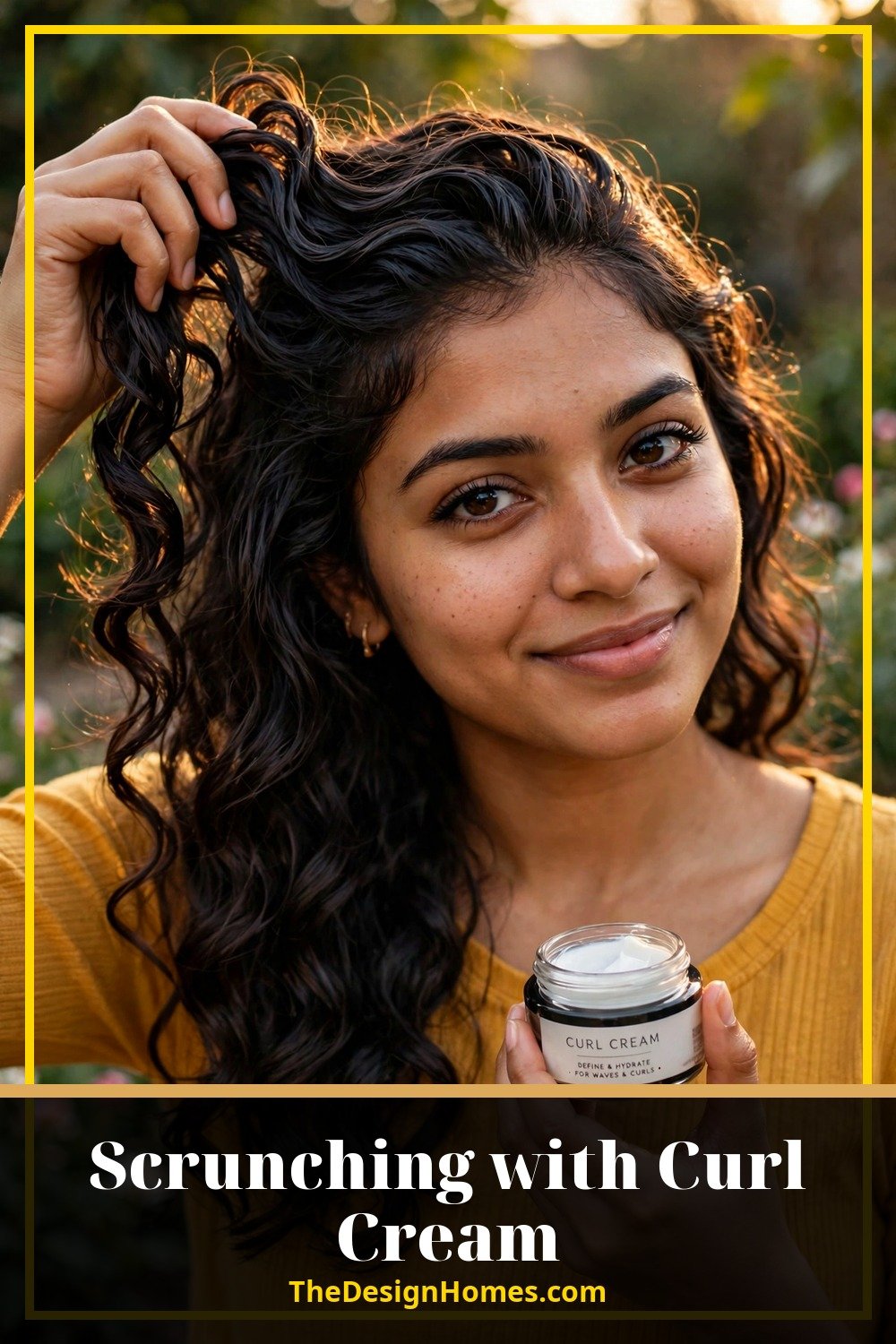
Curl cream is one of the best friends wavy hair can have, adding moisture and definition without the stiffness heavy gels can leave behind. Apply a coin-sized amount to very wet hair, rake it through with your fingers, then scrunch upward in sections, cupping your waves and pushing them toward your scalp. This motion encourages your natural S-shaped pattern to form and coats each wave clump evenly.
Let your hair air-dry or diffuse after scrunching, and avoid touching it while it dries so the pattern sets undisturbed. Once fully dry, scrunch out any slight stiffness with clean, dry hands or a drop of lightweight oil on your palms.
5. Diffusing on Low Heat
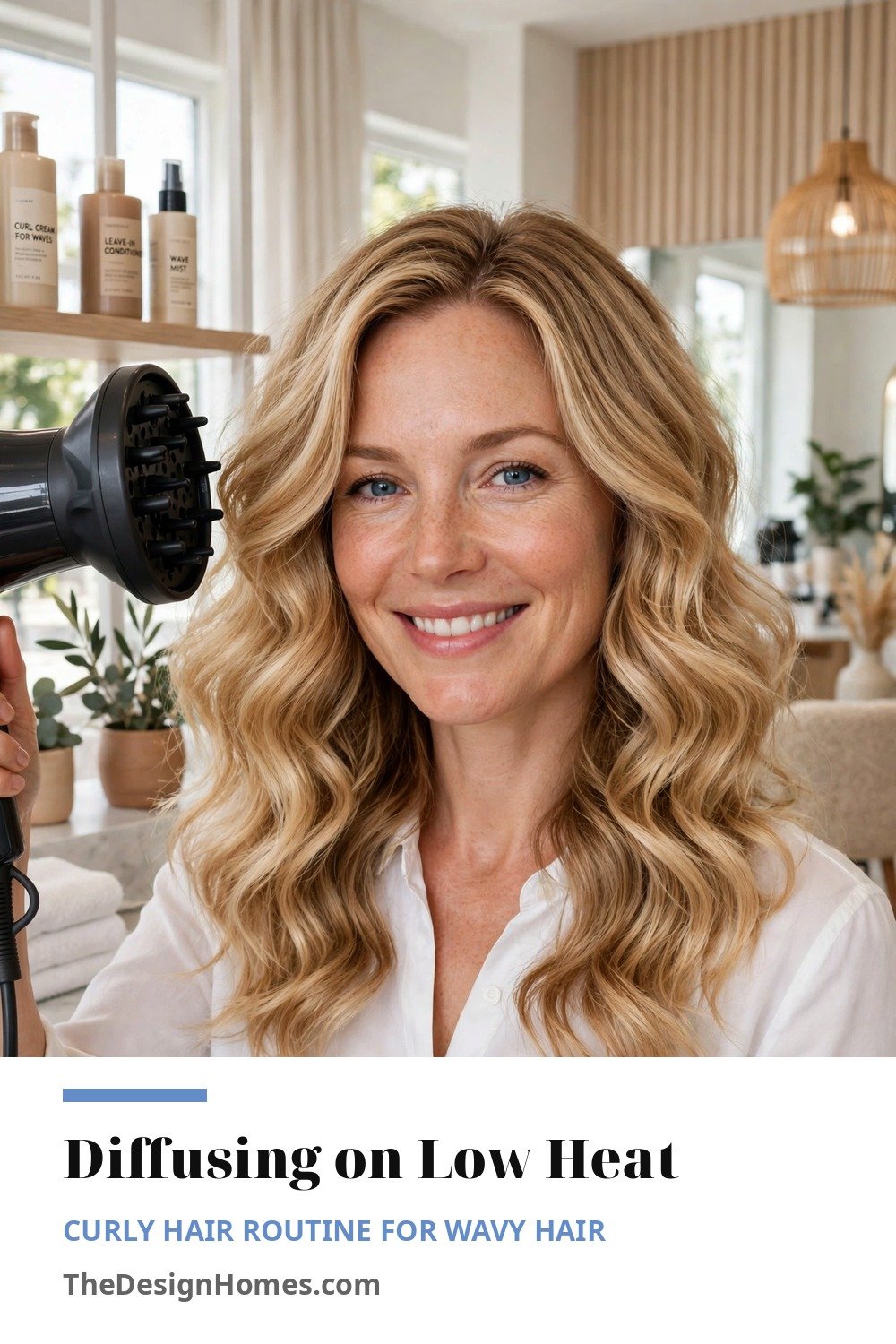
A diffuser turns an ordinary hair dryer into a wavy-hair hero, spreading airflow gently so waves dry in their natural shape instead of being blown straight and frizzy. Set your dryer to low heat and low speed, cup a section of waves into the diffuser bowl, and hold it close to your scalp for a few seconds before moving on. Work around your head slowly and your waves will dry with volume and definition.
Diffuse until your hair is about eighty percent dry, then let the last bit air-dry so you avoid over-drying the ends. A quick blast of cool air at the end sets the style and adds shine, while a drop of serum smoothed over the surface tames flyaways without flattening your waves.
6. Pineapple Overnight Protection

The pineapple method protects your waves while you sleep, so you wake up with your pattern mostly intact instead of flattened on one side and frizzy on the other. Gather your hair into a very loose, high ponytail on top of your head using a soft scrunchie, letting the lengths fall forward like the leaves of a pineapple. The loose placement keeps waves from being stretched out or dented.
Sleep on a satin or silk pillowcase for extra protection, and in the morning take the pineapple down, shake your roots gently, and refresh flat pieces with a light mist of water. This routine is especially helpful for second and third-day waves, because it preserves the shape you created on wash day.
7. Refresh with Water Mist

Second-day wavy hair rarely needs a full wash, just a little moisture and encouragement to spring back into shape. Fill a spray bottle with plain water and a tiny drop of leave-in conditioner, then mist your hair lightly, section by section, until it feels slightly damp but not soaking wet. Scrunch upward as you go, and flattened waves will perk up as the water reactivates the products already in your hair.
If some pieces still look limp, twist them gently around your finger while damp and let them dry, or add a pea-sized amount of curl cream to the most stubborn sections. Avoid soaking your hair or piling on fresh gel every morning, because that leads to buildup and heavy, stringy waves.
8. Clarifying Monthly Reset
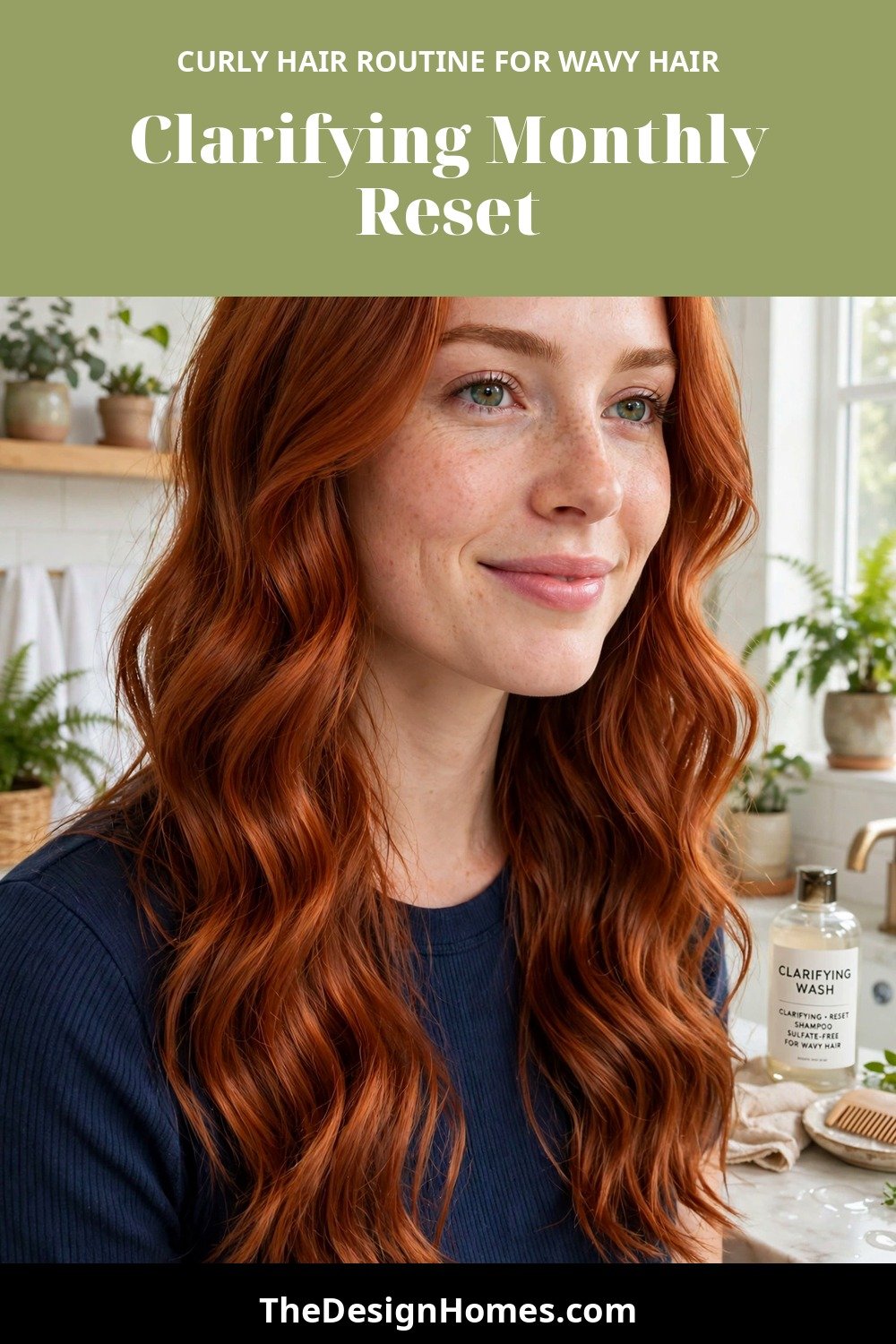
Even the gentlest routine builds up residue over time, from styling products, hard water minerals, and natural scalp oils. A monthly clarifying wash resets everything, lifting away buildup so your waves can spring up freely again. Use a clarifying shampoo once every three to four weeks, massaging it well into your scalp and rinsing thoroughly, then follow with a deep conditioner to restore moisture.
You will know it is time for a reset when your waves look dull or limp no matter what products you use, or when your usual routine suddenly stops working. Do not clarify more than once a month unless your hair faces a lot of chlorine or hard water, because over-clarifying can dry wavy hair out.
9. Leave-In Conditioning
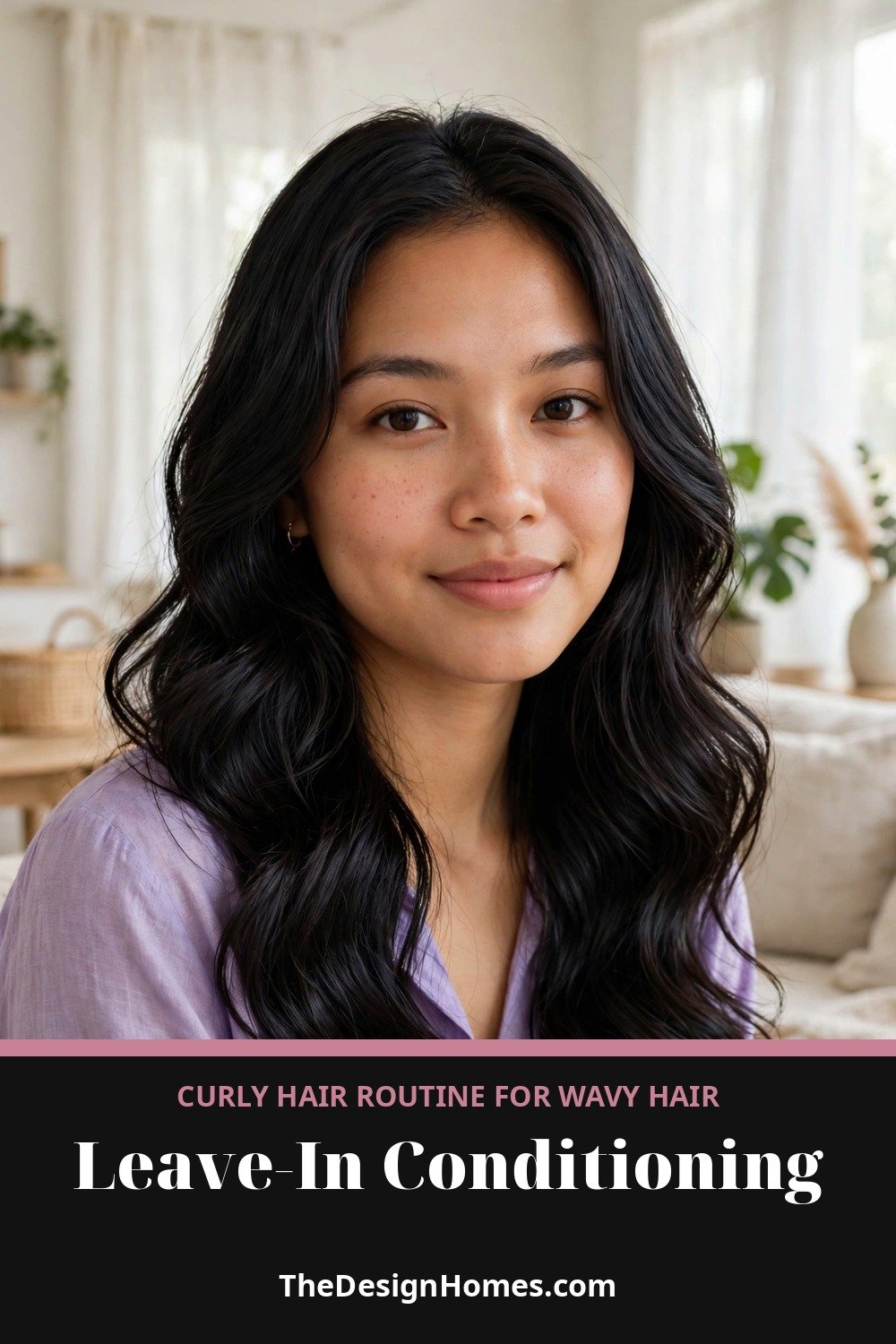
A good leave-in conditioner is the quiet foundation of almost every wavy hair routine, giving waves the slip and moisture they need to clump, detangle, and resist frizz. Apply a small amount to soaking wet hair after your shower, focusing on the mid-lengths and ends, and use your fingers or a wide-tooth comb to distribute it evenly. The right leave-in makes detangling almost effortless and gives styling products a smooth, hydrated base.
Choose a lightweight formula if your waves are fine and easily weighed down, or a richer cream if your hair is thick, coarse, or very dry. You can also use leave-in as a midweek refresher, smoothing a tiny amount over frizzy ends between washes.
10. Gel Cast and Scrunch Out the Crunch

Gel gets a bad reputation from the crunchy styles of the past, but used correctly it is one of the most reliable ways to lock in wavy definition that lasts for days. Apply a lightweight gel to soaking wet hair over your leave-in and cream, scrunching it in section by section, then let your hair dry completely without touching it. As it dries, the gel forms a light cast around each wave clump, holding the shape in place.
Once your hair is one hundred percent dry, scrunch out the crunch by cupping your waves with clean, dry hands and squeezing upward until the stiffness disappears. What remains is soft, defined, long-lasting waves with far less frizz than cream alone gives.
11. Microfiber Towel Drying
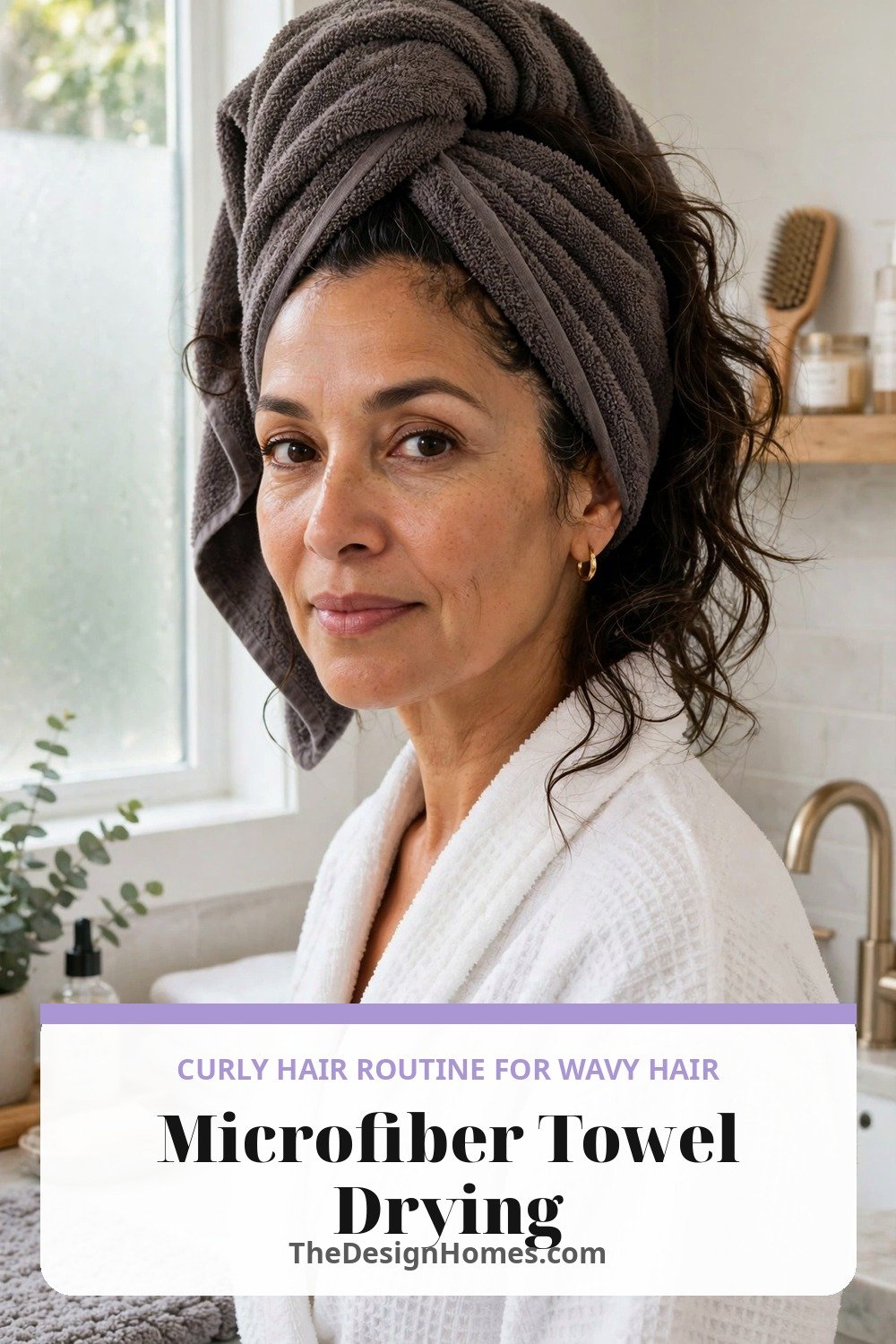
The towel you use matters more than most people realise, because a rough terry cloth towel lifts the hair cuticle and creates exactly the frizz wavy hair struggles with. Swap it for a microfiber towel or an old cotton T-shirt, and gently squeeze or blot your hair to remove excess water instead of rubbing it back and forth. This keeps wave clumps intact, reduces breakage, and leaves hair smoother before styling products go on.
Use the microfiber towel right after washing, while your hair is still very wet, and then apply your products to damp hair as usual. You can also wrap your hair in the towel for a few minutes for a hands-free start to your routine.
12. Scalp Massage Routine
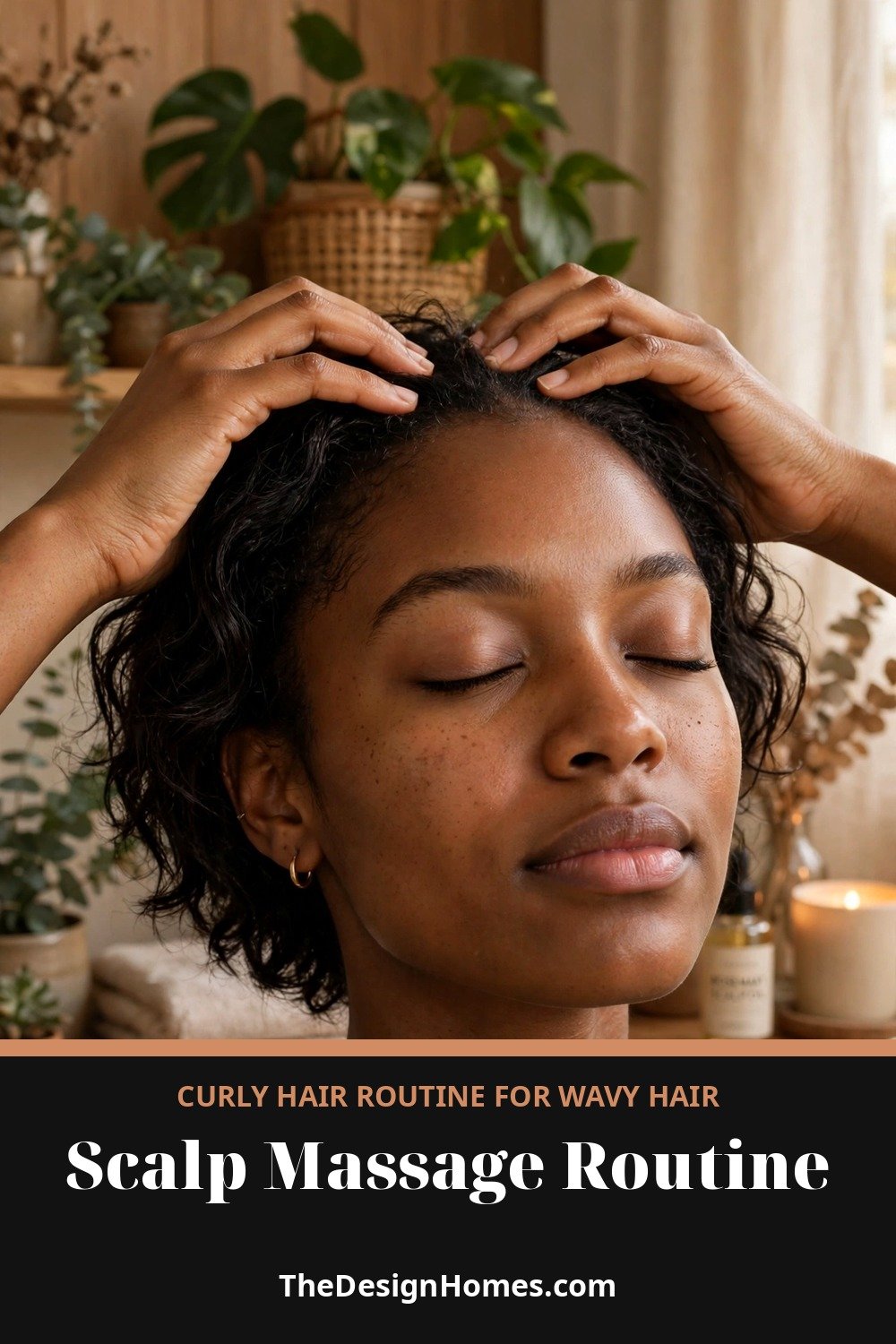
Healthy waves start at the scalp, and a regular scalp massage supports stronger, fuller-looking hair over time. Spend two or three minutes massaging your scalp with your fingertips in small, gentle circles, either during your shampoo or with a drop of lightweight oil before washing. The massage boosts blood flow to the follicles, helps lift away flakes and buildup, and makes wash day feel like a small moment of self-care.
Make it part of every wash day, and use a silicone scalp brush if you like a deeper clean or find it hard to reach all areas with your fingers alone. Keep the pressure comfortable and never scratch with your nails, because a calm, healthy scalp grows healthier waves.
13. Deep Conditioning Treatment

Wavy hair loves a weekly deep conditioning treatment, especially if it is coloured, heat-styled, or exposed to sun, wind, and dry air. Once a week, after shampooing, apply a deep conditioner or mask generously from the mid-lengths to the ends, cover your hair with a shower cap, and let it sink in for ten to twenty minutes. Rinse thoroughly and style as usual, and your waves will feel noticeably softer, smoother, and more elastic.
Choose a mask that matches your hair’s needs, whether that is hydration, protein, or a balance of both, and pay attention to how your hair responds so you can adjust how often you use it. Too much protein can make wavy hair feel stiff, while too much moisture without protein can leave it limp, so alternating treatments often works best.
14. Finger Coiling Waves
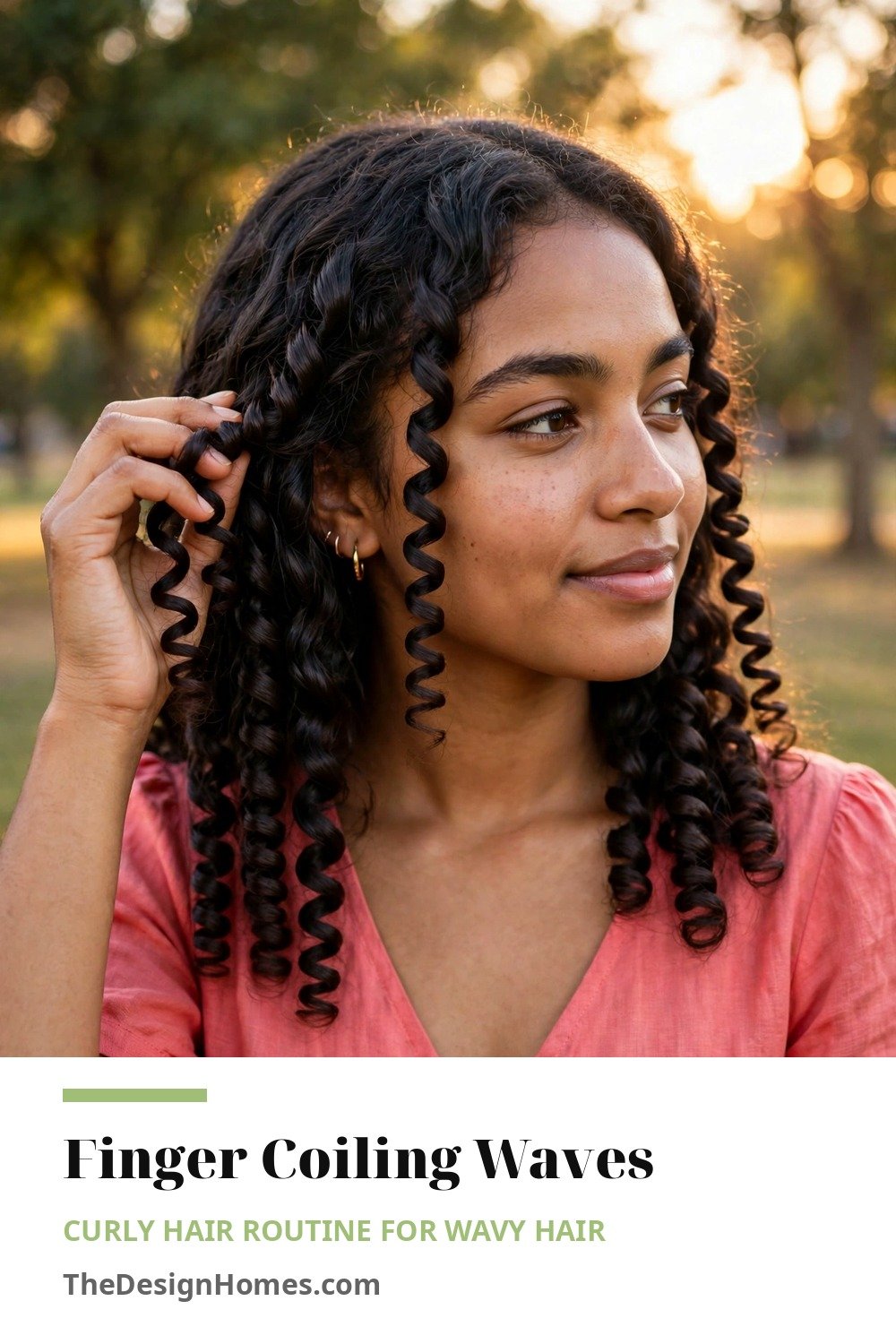
Finger coiling is a gentle styling technique that helps loose, inconsistent waves form more uniform, defined curls without any heat. Working with very wet, product-coated hair, take a small section, wrap it around your finger from root to tip, and slide your finger out carefully so the coil holds its shape. Repeat around your head, focusing on pieces that usually fall flat or frizz, and let your hair dry completely before touching it.
This technique is perfect for special occasions or days when your waves need extra help looking polished, and it works beautifully on the front sections that frame your face. Finger coiling takes a little patience, especially the first few times, but you can speed it up by coiling only the top layer.
15. Silk Pillowcase Sleep Routine

A silk or satin pillowcase is one of the simplest overnight upgrades for wavy hair, because the smooth surface lets waves glide instead of catching, rubbing, and frizzing against cotton all night. Pair it with a loose pineapple or a low, loose braid, and you will wake up with waves that look surprisingly close to how they looked the night before, with far fewer tangles and far less morning frizz.
Silk pillowcases also help hair hold onto moisture, which is especially valuable for wavy hair that dries out easily, and they feel wonderfully cool and comfortable to sleep on. Wash the pillowcase regularly so product residue never builds up on it, and give your hair a quick mist refresh in the morning if any pieces need encouragement.
Conclusion
A great curly hair routine for wavy hair does not need to be complicated or expensive. It needs consistency, gentle handling, and a willingness to listen to what your waves are telling you each day. Start with the basics, a gentle wash, a good leave-in, and a styling method that respects your natural pattern, then add one new routine at a time until you have a system that fits your life.
Keep experimenting, keep it simple, and remember that wavy hair changes with the seasons and even the water in your shower. What works beautifully in summer may need a small tweak in winter, and that is completely normal. Build the routine that works for you, protect your waves while you sleep, refresh them gently between washes, and enjoy hair that feels as good as it looks.
Frequently Asked Questions
How often should I wash wavy hair?
Most wavy hair does best washed two to three times a week, with co-washes or water-only refreshes in between. Washing too often can strip natural oils and increase frizz, while washing too rarely leads to buildup that weighs waves down. Watch your scalp and your wave pattern, and adjust until you find the rhythm that keeps your hair clean, fresh, and bouncy.
What products work best for a curly hair routine for wavy hair?
Lightweight products usually work best, because heavy creams and butters can pull waves straight. Look for a sulfate-free shampoo, a light conditioner and leave-in, a curl cream or mousse, and a light-hold gel. Start with small amounts and add more only if your waves still feel dry or undefined, because wavy hair responds better to a light touch than to layering on too much.
Why does my wavy hair get frizzy?
Frizz usually means your hair needs moisture, gentler handling, or both. Rough towel drying, brushing dry waves, touching your hair while it dries, and sleeping on cotton can all lift the cuticle and create frizz. Try a microfiber towel, a silk pillowcase, and a leave-in conditioner, and avoid brushing your waves once dry, and you should see real improvement within a few wash days.
Can I use heat tools on wavy hair?
Yes, but keep heat gentle and infrequent, and always use a heat protectant first. Diffusing on low heat is the safest heat option for wavy hair, while flat irons and curling wands should be used sparingly and on the lowest effective temperature. Too much heat can loosen your natural wave pattern over time, so give your hair regular heat-free days and focus on air-drying whenever you can.
How do I make my wavy hair last on day two and three?
Protect your waves overnight with a loose pineapple and a silk pillowcase, then refresh in the morning with a light water mist and a gentle scrunch. Add a tiny amount of curl cream only to the pieces that need it, and avoid re-wetting your hair completely or piling on fresh products. With a good wash day routine and a gentle refresh, most wavy hair can look great for three or even four days.


