
A small living room is not a limitation — it is an invitation to design smarter. When every square foot counts, the right choices in furniture, colour, light, and layout can turn a compact space into a room that feels open, welcoming, and surprisingly generous. The secret is not to cram less in, but to choose pieces that work harder and create the illusion of space while serving real everyday life.
From floating furniture and clever storage to layered lighting and mirrors that stretch the walls, these small living room ideas prove that a modest footprint can still deliver big style. Whether your living room is a cosy apartment corner, a narrow townhouse lounge, or a snug family room, the ideas below will help you make the most of every inch without sacrificing comfort or personality.
1. Choose a Slim-Profile Sofa
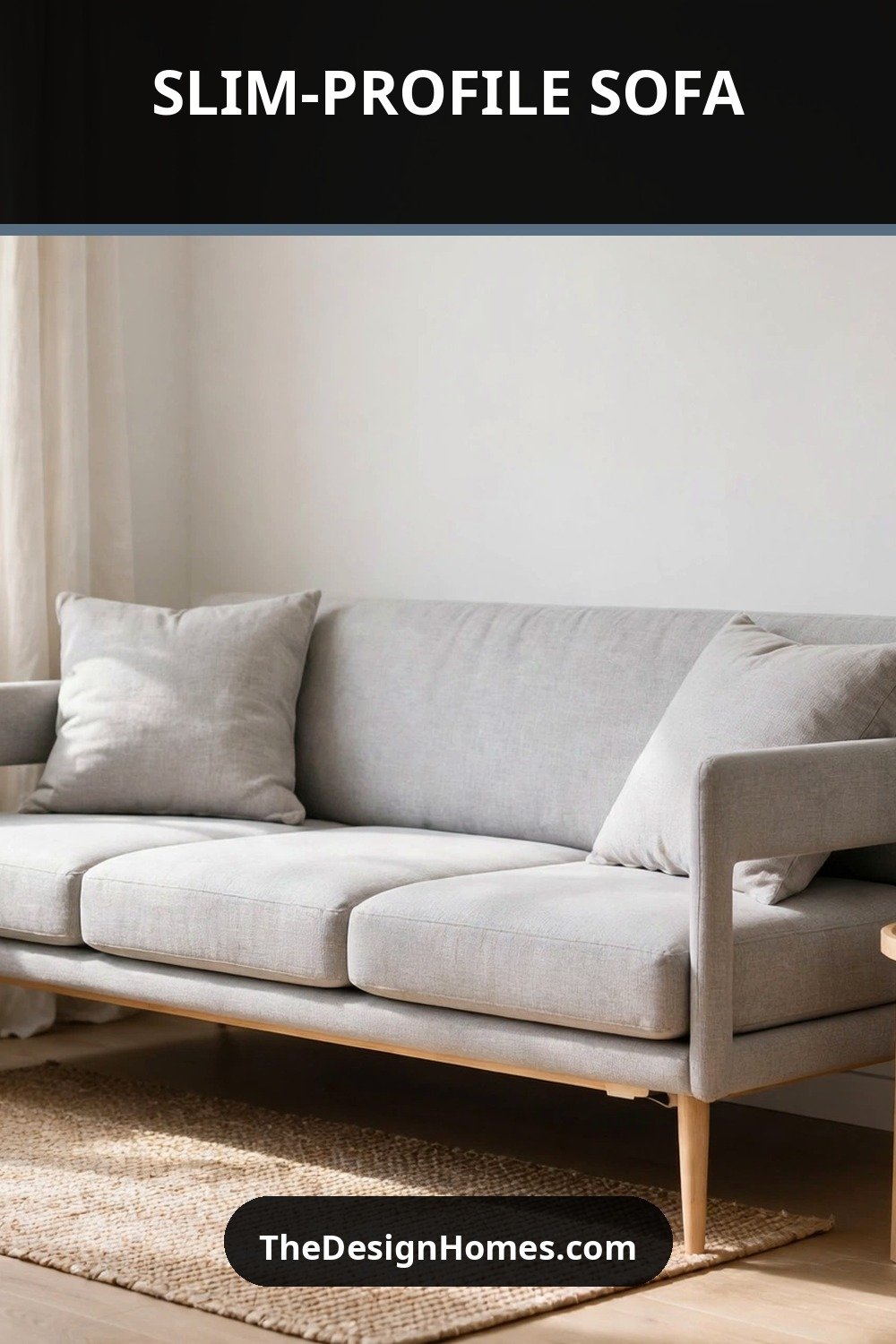
The sofa is the largest piece in most living rooms, so its shape sets the tone for the whole space. A slim-profile sofa with narrow arms, a low back, and raised legs instantly frees up visual and physical room, making the floor feel larger and the air circulate more easily. Look for designs in light neutrals or soft grey, which blend into the room rather than dominating it, and avoid bulky rolled arms or deep seats that eat into your walkways.
Measure carefully before you buy, and leave at least a few inches of breathing room around the sofa so the room does not feel wedged in. A two-seater or a compact three-seater often works better than a sprawling sectional in a small room, and choosing a sofa on slender wooden or metal legs lets you see the floor underneath, which tricks the eye into reading the room as bigger than it is.
2. Float the Furniture Away From the Walls

Pushing every piece of furniture flat against the wall is a common instinct in a small room, but it often makes the space feel cramped and static. Floating your sofa and chairs a few inches away from the walls creates a sense of airiness and gives the room a more intentional, designed feel. Even a small gap behind the sofa allows light and shadow to play, which adds depth that a wall-hugging arrangement never achieves.
Try angling a chair slightly, or pulling the sofa forward to create a walkway behind it if the room allows. This arrangement also makes conversation areas feel more intimate and defined, rather than like a waiting room lined up against the perimeter. In a very tight room, floating just one piece — such as a reading chair — is enough to break the boxy feeling and open the space up.
3. Use a Large Mirror to Double the Light
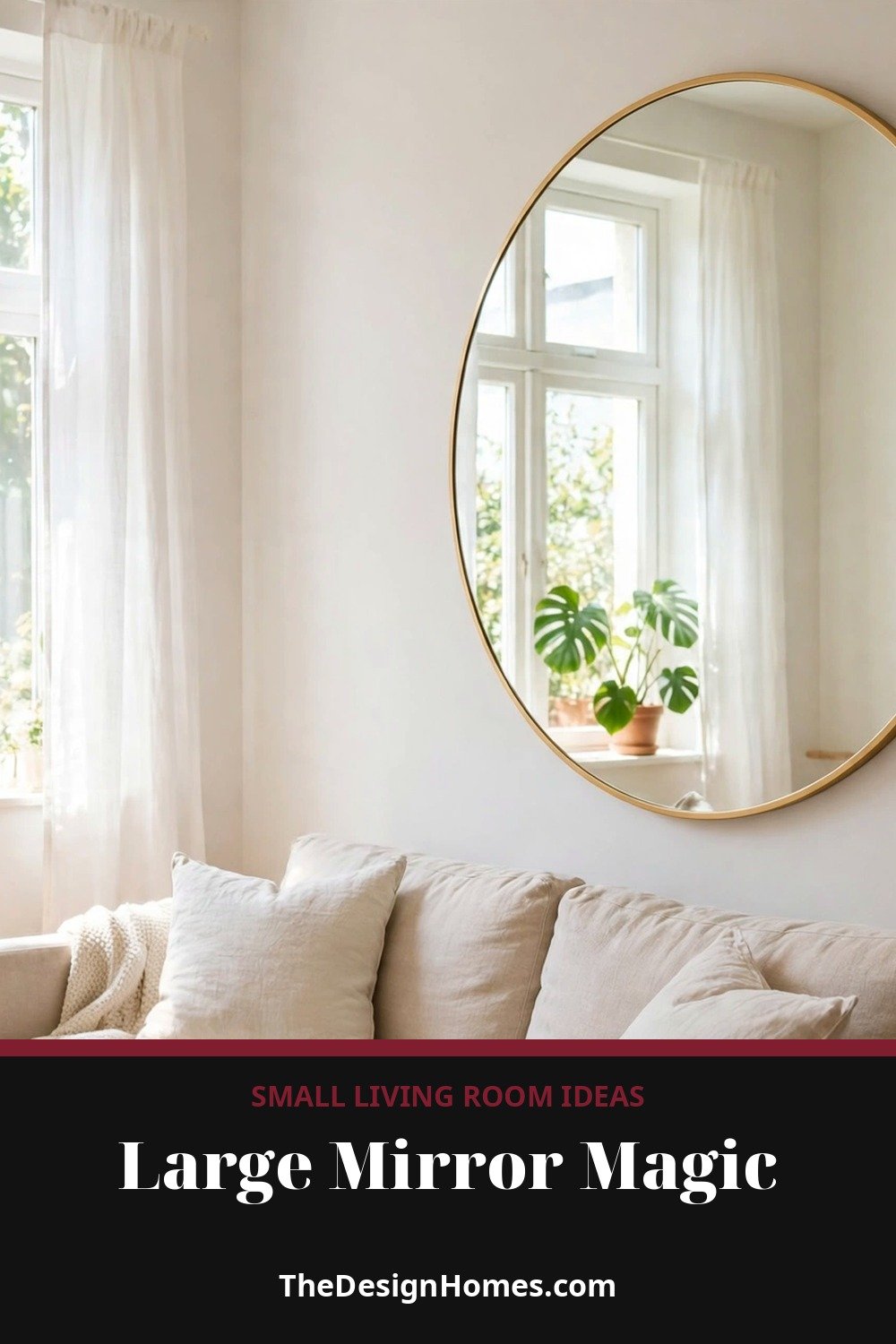
A large mirror is one of the oldest and most effective tricks for making a small living room feel bigger. Hung opposite a window, it bounces natural light deep into the room and creates the illusion of a second window, instantly brightening dark corners. Choose a mirror that is generously sized — a tall leaning mirror or a wide round mirror above the sofa — because a small mirror will look lost and fail to deliver the effect.
Keep the mirror’s frame slim and simple so it reads as a window rather than a heavy object, and position it where it reflects something pleasant, like a plant, a piece of art, or the view outside. Avoid placing a mirror where it reflects clutter, since it will double the mess as surely as it doubles the light. With the right placement, a mirror can make a compact room feel almost twice its size.
4. Pick Multi-Functional Furniture
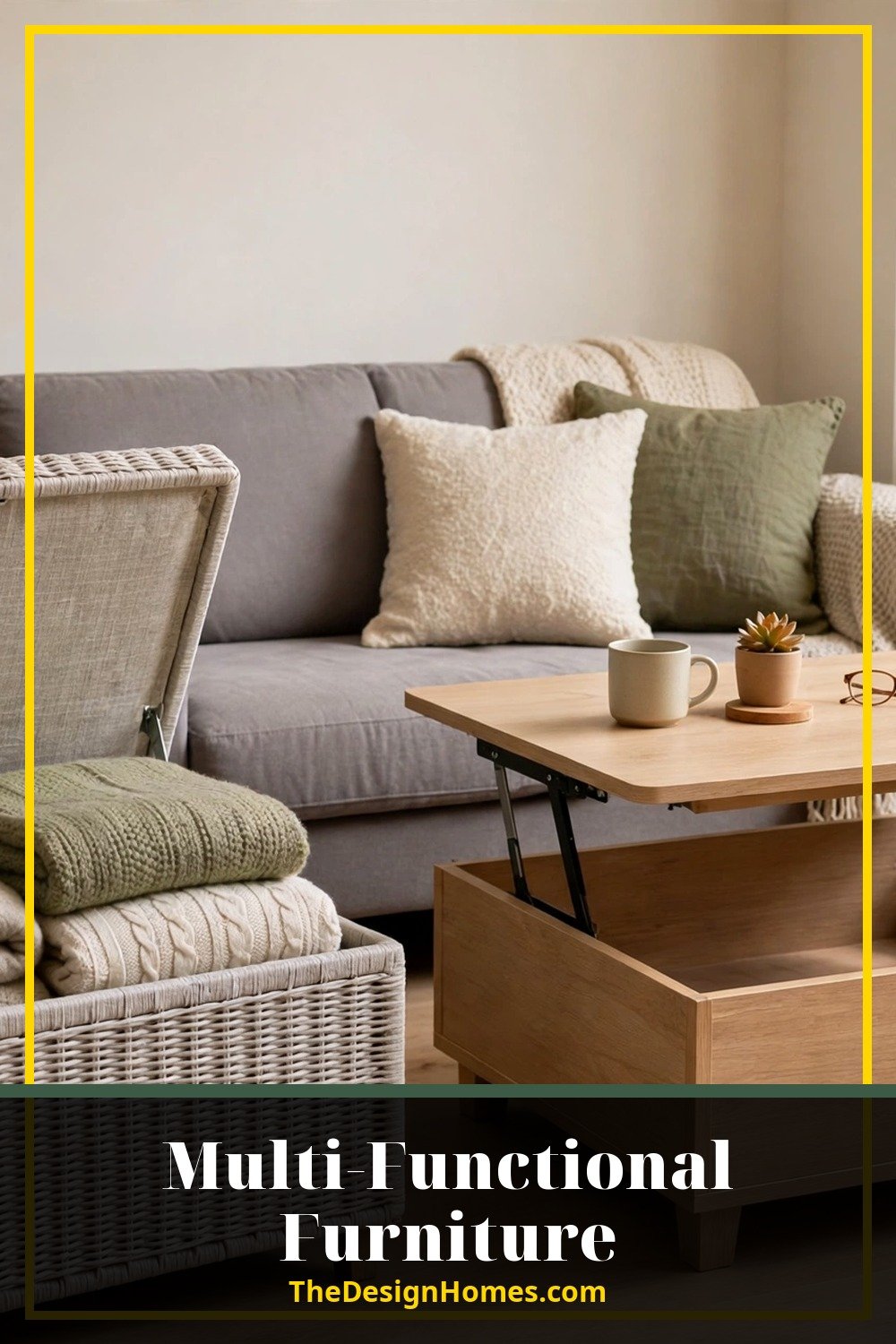
In a small living room, every piece should earn its place by doing more than one job. An ottoman that opens for blanket storage, a coffee table with a lift-up top for working or dining, and a side table with a drawer all add function without adding footprint. Look for furniture that hides storage inside its form, so the room stays tidy without extra cabinets or bins crowding the floor.
A storage bench beneath the window can hold books and games while doubling as extra seating when guests arrive. A sofa bed or a daybed can turn the living room into a guest room in minutes. The goal is to reduce the total number of objects in the room while increasing what each one can do, which keeps the space calm, uncluttered, and genuinely liveable.
5. Keep the Colour Palette Light and Cohesive
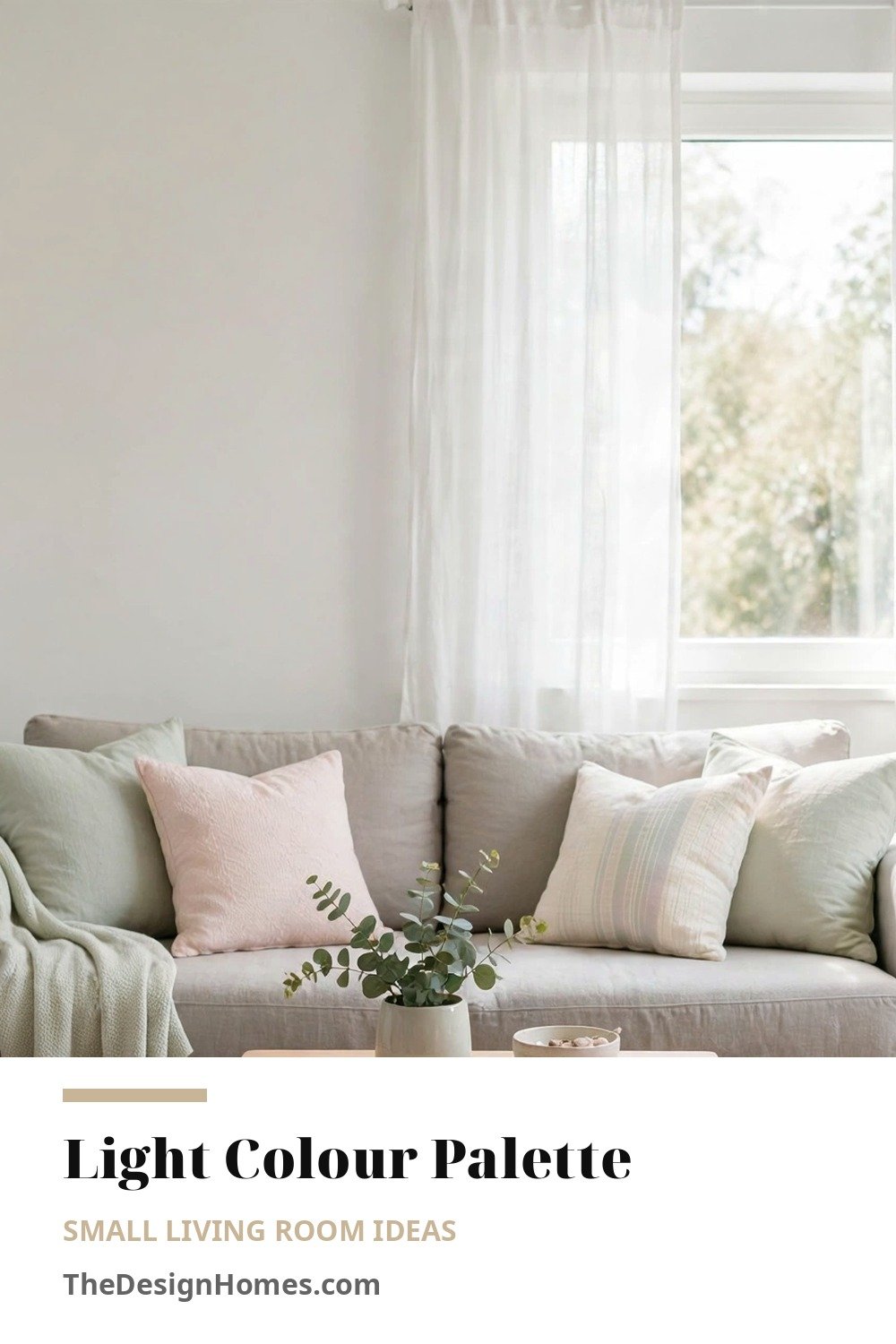
Colour has a powerful effect on how large a room feels, and a light, cohesive palette is the simplest way to open up a small living room. Soft whites, warm greys, pale sage, and gentle beige reflect light and make the walls seem to recede, while a single consistent colour across walls, trim, and larger furniture pieces blurs the boundaries of the room. This does not mean the room has to be boring — texture and small accents provide the interest.
Introduce colour through cushions, throws, art, and a rug, which can be changed easily and do not weigh the room down. If you love a bold colour, use it on one accent wall or a single statement chair rather than on every surface. Keeping the biggest surfaces pale and the accents deliberate makes the room feel airy while still showing off your personality.
6. Add Vertical Storage and Shelving
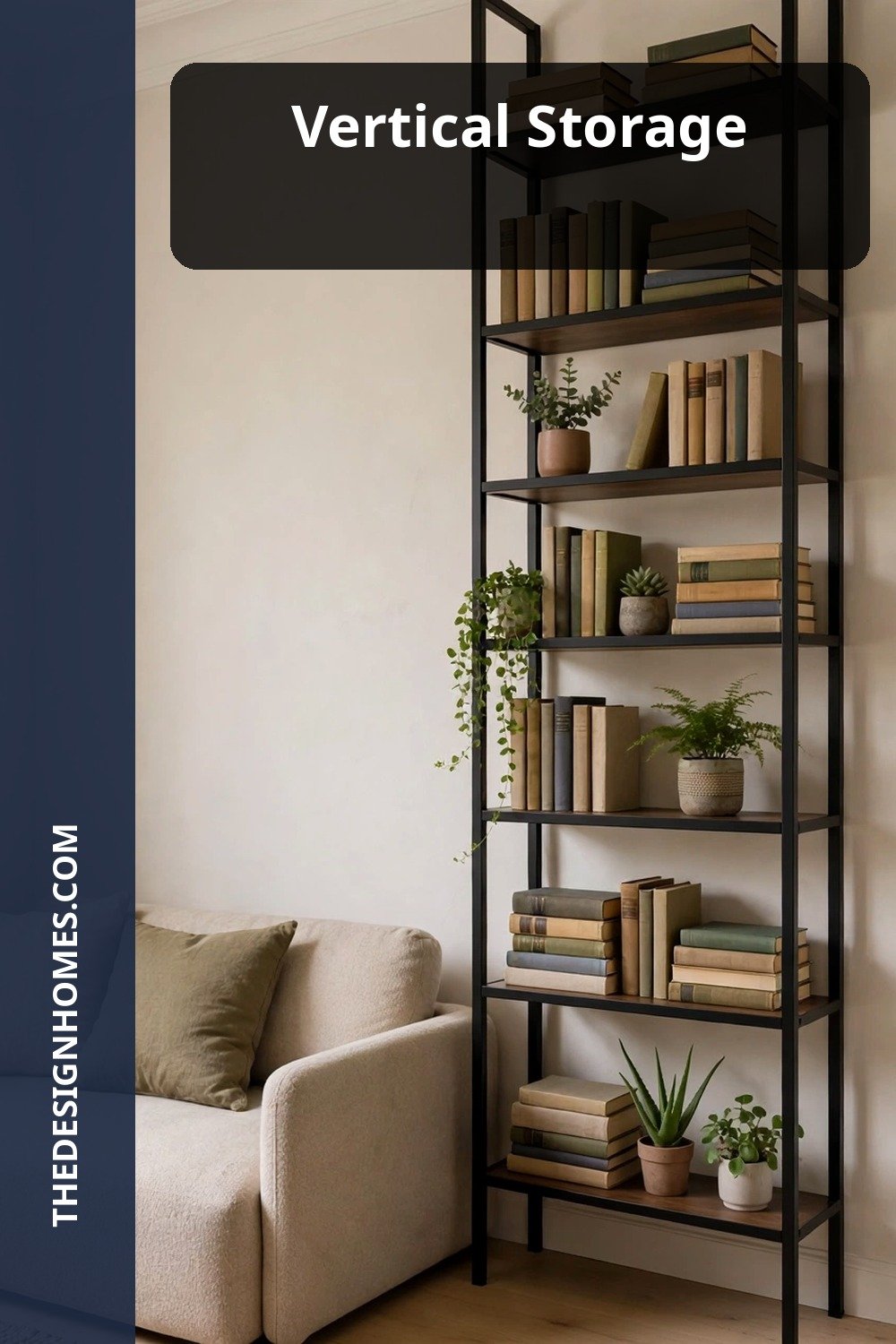
When floor space is limited, the walls are your best friend. Tall, slim shelving units and floating shelves draw the eye upward and make the ceiling feel higher, while providing storage that would otherwise eat into the floor. A single tall bookcase in a corner can hold books, plants, and decorative objects without dominating the room the way a wide low cabinet would.
Install floating shelves above the sofa or beside the television for display and storage, and keep the styling light — a few books, a small plant, a framed print — so the shelves add interest without feeling heavy. Vertical storage works especially well in rooms with high ceilings, but even in a standard-height room, taking storage upward frees the floor for movement and makes the whole space feel more open.
7. Choose a Glass or Acrylic Coffee Table
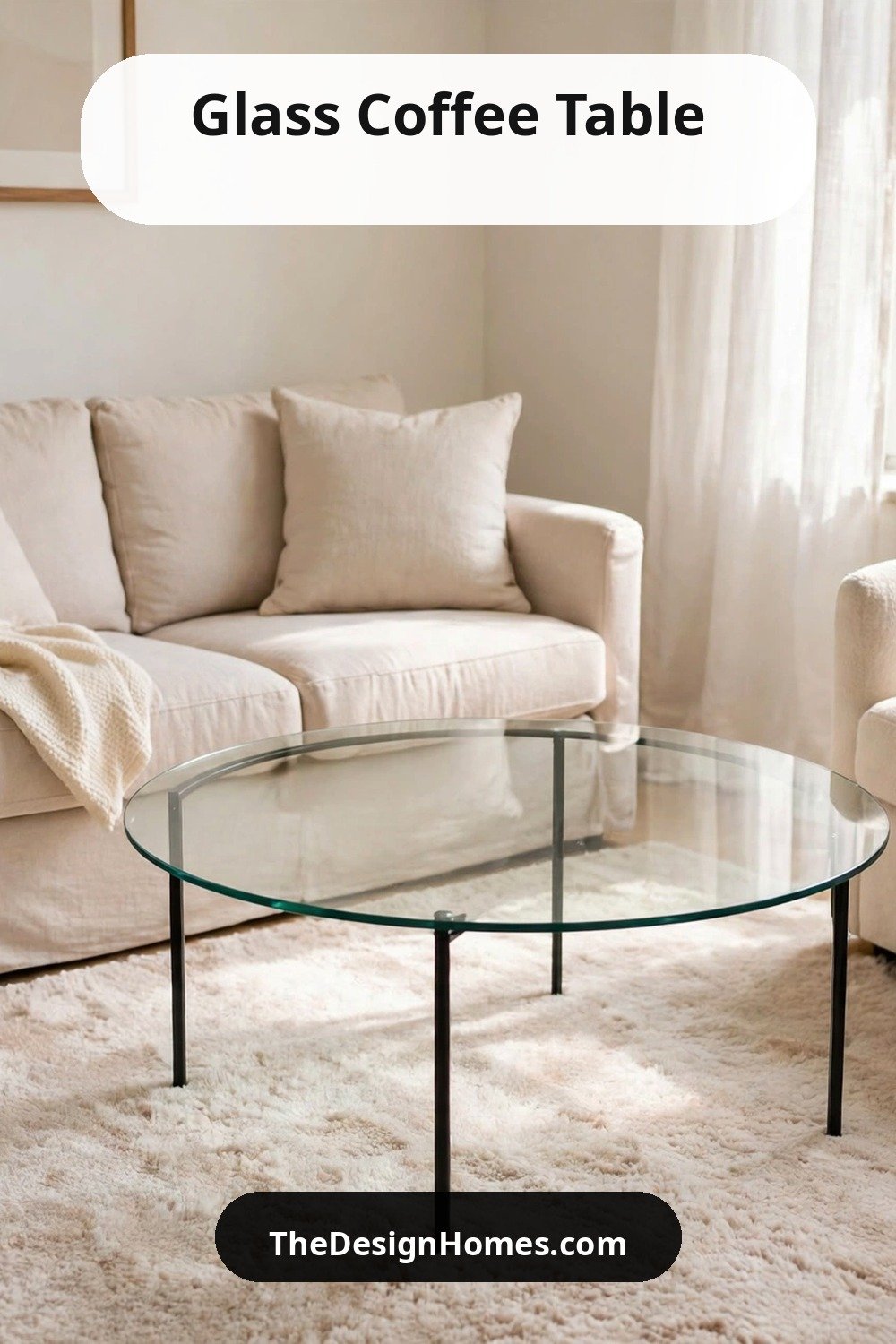
A solid, chunky coffee table can visually block the centre of a small living room and make the floor plan feel chopped up. A glass or acrylic coffee table solves this problem beautifully, because you can see straight through it to the rug and floor beyond. The table still provides a surface for drinks, books, and remotes, but it disappears visually and keeps sightlines open across the room.
Choose a simple shape — round or oval tables soften a small room and are easier to walk around than sharp-cornered rectangles. If glass feels too cold, pair it with a warm rug and soft textiles to balance the look. An acrylic nesting table set is another smart option, since the smaller tables can be tucked away when not in use and pulled out when guests arrive.
8. Layer Lighting Instead of One Overhead Light

A single overhead light flattens a small living room and casts harsh shadows in the corners, making the room feel smaller and less inviting. Layered lighting — a mix of floor lamps, table lamps, and wall lights — creates pools of warm light at different heights, which adds depth and makes the room feel larger and more comfortable. Start with a dimmable ceiling fixture, then add a floor lamp beside the sofa and a small table lamp on a side table.
Candles and fairy lights can add a soft glow in the evenings, and a lamp with a warm-toned bulb near a mirror will amplify the effect. Keep lamp bases slim and shades light-coloured so the fixtures themselves do not add visual bulk. Good lighting is one of the cheapest ways to transform a small room, and it changes how the space feels at every hour of the day.
9. Use a Rug to Define the Zone
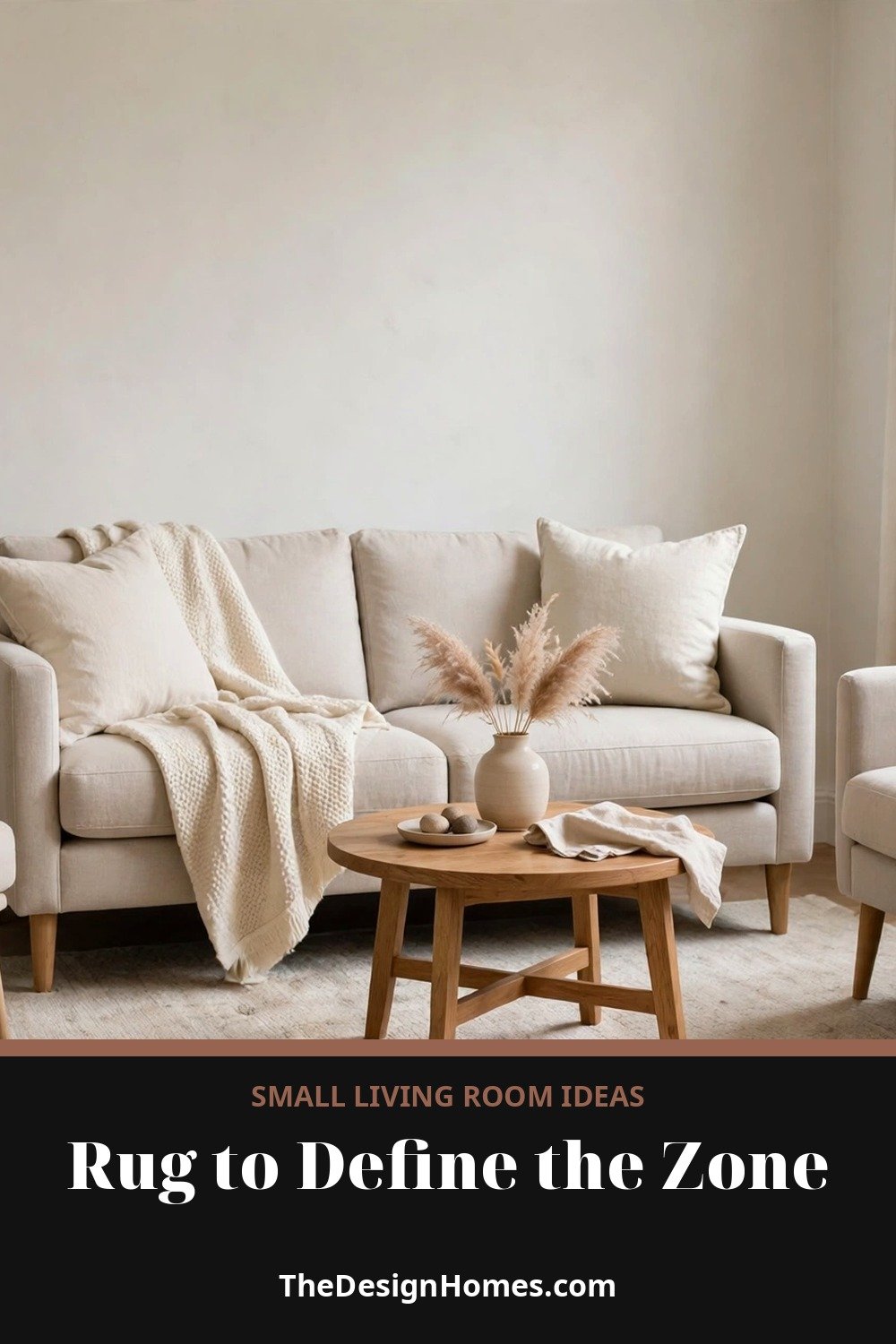
In a small living room, a rug does more than add comfort — it defines the seating area and anchors the furniture, making the layout feel intentional rather than accidental. Choose a rug large enough that the front legs of the sofa and chairs sit on it, which pulls the pieces together into a single cohesive group. A rug that is too small will make the furniture look scattered and the room feel disjointed.
A light-coloured rug with a subtle pattern keeps the room feeling open, while a bold pattern can add personality if the rest of the palette stays calm. Avoid dark, heavy rugs that visually shrink the floor. If your room is open-plan, the rug also marks where the living area ends and the dining or kitchen area begins, which gives the small space a clear identity of its own.
10. Hang Curtains High and Wide

Curtains hung low and narrow make a window look smaller and the ceiling feel lower, which is the opposite of what a small living room needs. Mount the curtain rod close to the ceiling and extend it well beyond the window frame on both sides, so the curtains frame the window generously and the eye is drawn upward. When the curtains are open, they should sit mostly on the wall beside the window, not covering the glass.
Choose lightweight fabrics in a colour close to the wall colour for a seamless look, or a soft linen that filters light beautifully. Floor-length curtains that just kiss the floor elongate the walls and add elegance, while sheer panels behind heavier curtains give you privacy without blocking daylight. This one change can make a small window feel grand and the whole room feel taller.
11. Keep Clutter Out With Hidden Storage

Clutter is the enemy of a small living room, because every stray object competes for visual attention and makes the room feel crowded. Hidden storage — baskets inside a console, boxes on a shelf, a cabinet with closed doors — keeps everyday items out of sight while still within reach. Choose storage that matches your decor so it looks intentional, like woven baskets, fabric boxes, or a sleek media unit.
Build a habit of giving everything a home: remotes in a tray, magazines in a basket, throws folded in an ottoman. A quick daily tidy takes only a few minutes but keeps the room feeling spacious all the time. The less visual noise there is, the larger and calmer the room will feel, and the more your favourite pieces will stand out.
12. Add Plants for Life and Height

Plants bring life, colour, and a sense of freshness to a small living room, and they do it without taking up much floor space. A tall plant in a corner draws the eye upward and softens sharp angles, while small plants on shelves and side tables add greenery at different heights. Choose plants that suit your light conditions — a snake plant or pothos for low light, a fiddle-leaf fig for a bright corner.
Hang trailing plants from the ceiling or a high shelf to add greenery without using any floor or surface space at all. Keep pots slim and in colours that match your palette so they blend in rather than adding visual clutter. Plants also improve the feeling of the room, making a compact space feel like a calm, living environment rather than a cramped box.
13. Try a Sectional That Fits the Corner

A sectional can work beautifully in a small living room if it is chosen to fit the room’s shape rather than fight it. A compact L-shaped sectional tucked into a corner uses space that would otherwise be wasted and provides more seating than a sofa and chairs in the same footprint. Look for a sectional with a chaise on one side rather than a bulky corner seat, and keep the arms slim and the back low.
Measure the corner carefully and leave room to walk past the sectional comfortably. A light-coloured sectional in a washable fabric is practical for everyday life, and adding a couple of cushions in contrasting textures keeps it from looking like a single block of colour. When it fits properly, a sectional makes a small room feel like a cosy lounge rather than a tight squeeze.
14. Use Wall-Mounted Lighting and Shelves

Wall-mounted fixtures free up floor and table space, which is precious in a small living room. Sconces beside the sofa provide reading light without a floor lamp taking up a corner, and wall-mounted shelves hold books and decor without a bookcase eating into the floor. A wall-mounted television is another space saver, since it removes the need for a bulky media stand and lets you place a slim console or nothing at all beneath it.
Choose sconces with a slim profile and warm light, and mount them at a height that lights the seating area without glaring. Floating shelves work best when they are styled sparingly, with a little empty space between objects so the wall does not feel crowded. Every item you move from the floor to the wall gives the room a little more breathing space.
15. Create a Focal Point With One Statement Piece

A small living room needs a focal point to give the eye somewhere to land, otherwise the space can feel scattered and unfinished. Choose one statement piece — a bold piece of art, a striking fireplace, a beautiful rug, or a sculptural chair — and arrange the furniture around it. The statement piece should reflect your taste and set the mood for the room, whether that is calm and serene or bold and eclectic.
Keep everything else relatively calm so the focal point can shine, and resist the urge to add a second or third competing feature. A single strong focal point makes the room feel designed and complete, and it gives guests something to admire the moment they walk in. In a small space, one confident choice is far more effective than a dozen small ones.
Conclusion
A small living room rewards thoughtful choices more than big spending. By choosing slim furniture, keeping the palette light, layering light, and using your walls and vertical space wisely, you can create a room that feels open, comfortable, and entirely your own. Start with the ideas that solve your biggest frustration — whether that is storage, seating, or light — and build from there.
The best small living rooms are not the ones that hide their size, but the ones that celebrate it with cosy, clever design. With the right layout and a few smart tricks, your compact living room can become the favourite room in your home, a place where every inch works hard and every detail feels intentional.
Frequently Asked Questions
What is the best sofa size for a small living room?
A two-seater or a compact three-seater with slim arms and raised legs usually works best, as it provides comfortable seating without overwhelming the floor plan. Measure your room first and leave at least 45 centimetres of walkway around the sofa so the space stays easy to move through.
How can I make my small living room look bigger without renovating?
Light colours, a large mirror opposite a window, high-hung curtains, and layered lighting are the fastest no-renovation fixes. Removing clutter, choosing a glass coffee table, and keeping the floor visible under furniture also help the room feel noticeably larger.
Should I use a rug in a small living room?
Yes, a rug helps define the seating area and makes the layout feel intentional. Choose one large enough for the front legs of your sofa and chairs to sit on it, and pick a light colour or subtle pattern so it opens the space rather than shrinking it.
What colours make a small living room feel bigger?
Soft whites, warm greys, pale sage, and gentle beige reflect light and make walls feel further away. Keep the largest surfaces in these light tones and add colour through cushions, art, and accessories that are easy to change.
Can a sectional work in a small living room?
Yes, if it is compact and shaped to fit your room. An L-shaped sectional with a chaise, tucked into a corner with slim arms and a low back, can seat more people than a sofa and chairs while using less floor space, as long as you measure carefully and keep walkways clear.