
Everything you love about a bubbling pan of lasagna — the rich tomato sauce, the savory meat, the tender noodles and the blanket of melted cheese — is here, but in a cozy, spoonable soup that comes together in a single pot. No layering, no water bath for noodles, no sink full of dishes. Just pure comfort food, ladled into bowls.
This lasagna soup recipe has become a weeknight hero in so many kitchens because it delivers slow-cooked flavor in about 40 minutes. It is easy to stretch for a crowd, simple to adapt for the slow cooker or Instant Pot, and the leftovers might honestly be even better the next day. Here is how to make the best lasagna soup of your life, plus every variation worth trying.
1. Why Lasagna Soup Is the Coziest Bowl of the Season

Lasagna soup takes the most beloved Italian-American dinner and makes it weeknight-easy. Instead of an hour of layering and baking, everything simmers together in one pot, and the broken noodles cook right in the broth, soaking up tomato, garlic and herbs as they soften. Every spoonful tastes like the corner piece of lasagna — the best bite — with extra sauce.
It is also the ultimate cold-weather food. A steaming bowl of lasagna soup warms you from the inside out, feeds a table of hungry people without fuss, and fills the house with the kind of smell that pulls everyone into the kitchen. When the temperature drops, this is the bowl people ask for by name.
2. Why This Lasagna Soup Recipe Works Every Time

The secret of this lasagna soup recipe is building flavor in layers inside one pot. Browning the meat first creates those deep, caramelized bits on the bottom of the pot, and the tomato base deglazes them into the soup. Nothing is wasted, and the broth tastes like it simmered all afternoon even though it did not.
Balance is the other half of the magic. Rich meat and cheese are lifted by bright tomatoes, a pinch of sugar, plenty of garlic and Italian herbs, while the noodles make it hearty without turning the soup into a stew. Finish each bowl with the classic cheese trio and you get true lasagna flavor — creamy, tangy and gooey — in every single bite.
3. The Ingredients You Need

A great lasagna soup recipe starts with simple, hardworking ingredients: ground beef or Italian sausage (or both), yellow onion, garlic, tomato paste, crushed tomatoes, diced tomatoes, chicken or beef broth, Italian seasoning, and a pinch of red pepper flakes and sugar. For the noodles you need regular lasagna sheets, broken into bite-size pieces — no-boil noodles work too.
The finishing touches matter just as much: ricotta, shredded mozzarella and grated Parmesan for the cheesy dollop, plus fresh basil for serving. Everything on this list is easy to find and most of it is probably in your pantry already, which is exactly why this soup shows up on busy weeknights again and again.
4. Choosing the Meat: Beef, Sausage, or Both

For the deepest flavor, use a half-and-half mix of ground beef and Italian sausage. The beef brings hearty, classic body while the sausage adds fennel, herbs and a gentle richness that makes the broth taste like Sunday sauce. Sweet Italian sausage keeps it family-friendly; hot sausage adds a warm background kick.
Working with what you have is fine too: all beef gives a milder, kid-approved soup, while ground turkey or chicken makes a lighter version that still tastes satisfying with an extra pinch of Italian seasoning and a drizzle of olive oil. Whatever you choose, brown it well and drain only the excess fat — a little left behind carries flavor into every spoonful.
5. Building the Rich Tomato Base
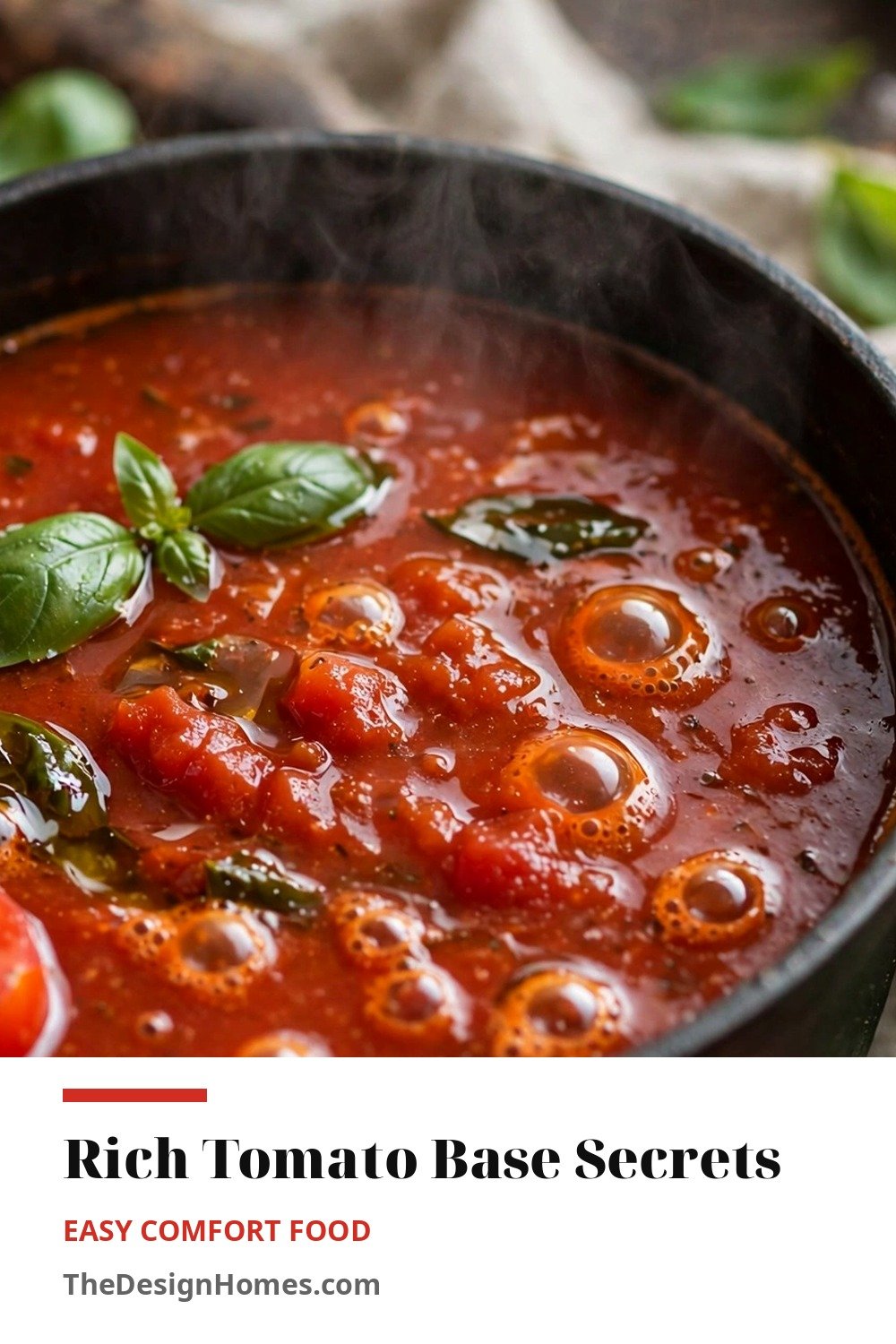
The tomato base is where a good lasagna soup recipe becomes a great one. After the meat browns, stir in tomato paste and let it cook for a minute or two until it darkens slightly — this small step removes the tinny edge and adds deep, slow-cooked sweetness. Then the crushed and diced tomatoes go in with the broth.
Crushed tomatoes give the soup its silky body, while diced tomatoes add little bursts of texture. A pinch of sugar balances the acidity, and Italian seasoning, salt and black pepper round everything out. Let the base simmer before the noodles go in so the flavors marry; your patience is rewarded with a broth that tastes rich, bright and unmistakably lasagna-like.
6. The Noodles: Broken Lasagna Sheets Done Right
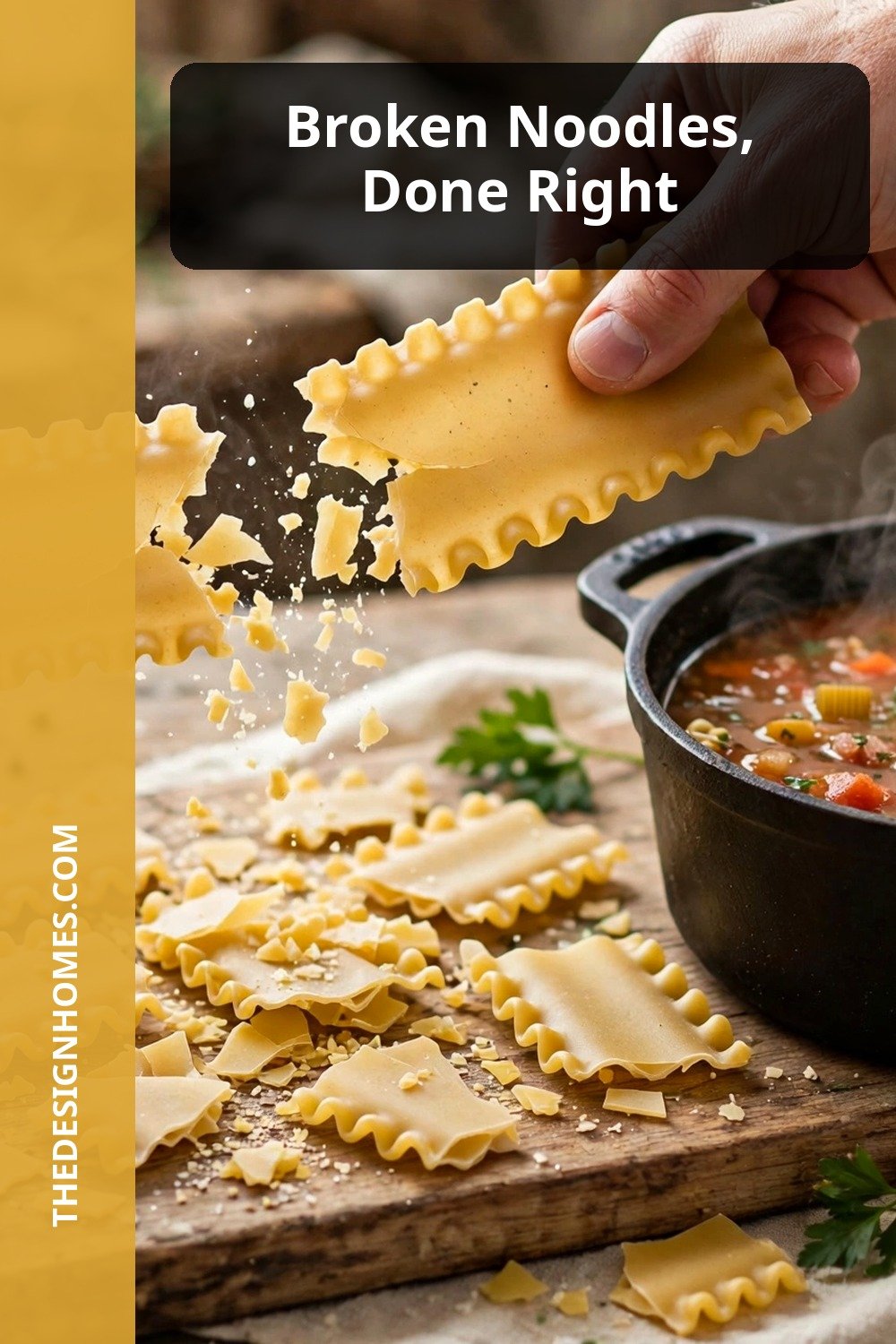
Breaking the lasagna sheets is oddly satisfying: snap each sheet into rough two-inch pieces, keeping the ruffled edges that make every bite feel like real lasagna. The noodles cook directly in the soup, releasing a little starch that gives the broth its signature silky body.
Timing is everything. Add the noodles near the end and simmer just until tender, usually eight to ten minutes, stirring now and then so they do not stick together. If you plan to serve the soup later or live on leftovers, cook the noodles separately and add them to each bowl — they stay perfectly firm instead of swelling in the pot overnight.
7. The Three Cheeses That Make It Lasagna

Lasagna soup is not lasagna soup without the cheese finish, and the classic trio is ricotta, mozzarella and Parmesan. Many cooks stir a spoonful of ricotta with shredded mozzarella and Parmesan to make a cheesy dollop that melts into each hot bowl like the top layer of a baked lasagna.
Serve the soup steaming, add a generous spoonful of the cheese mixture to the center of each bowl, and shower extra Parmesan over the top. The ricotta turns the broth creamy at the edges, the mozzarella gives you those irresistible stretches, and the Parmesan adds salty depth. It is the moment the soup stops being tomato soup with noodles and becomes unmistakably lasagna.
8. Step One: Brown the Meat and Aromatics
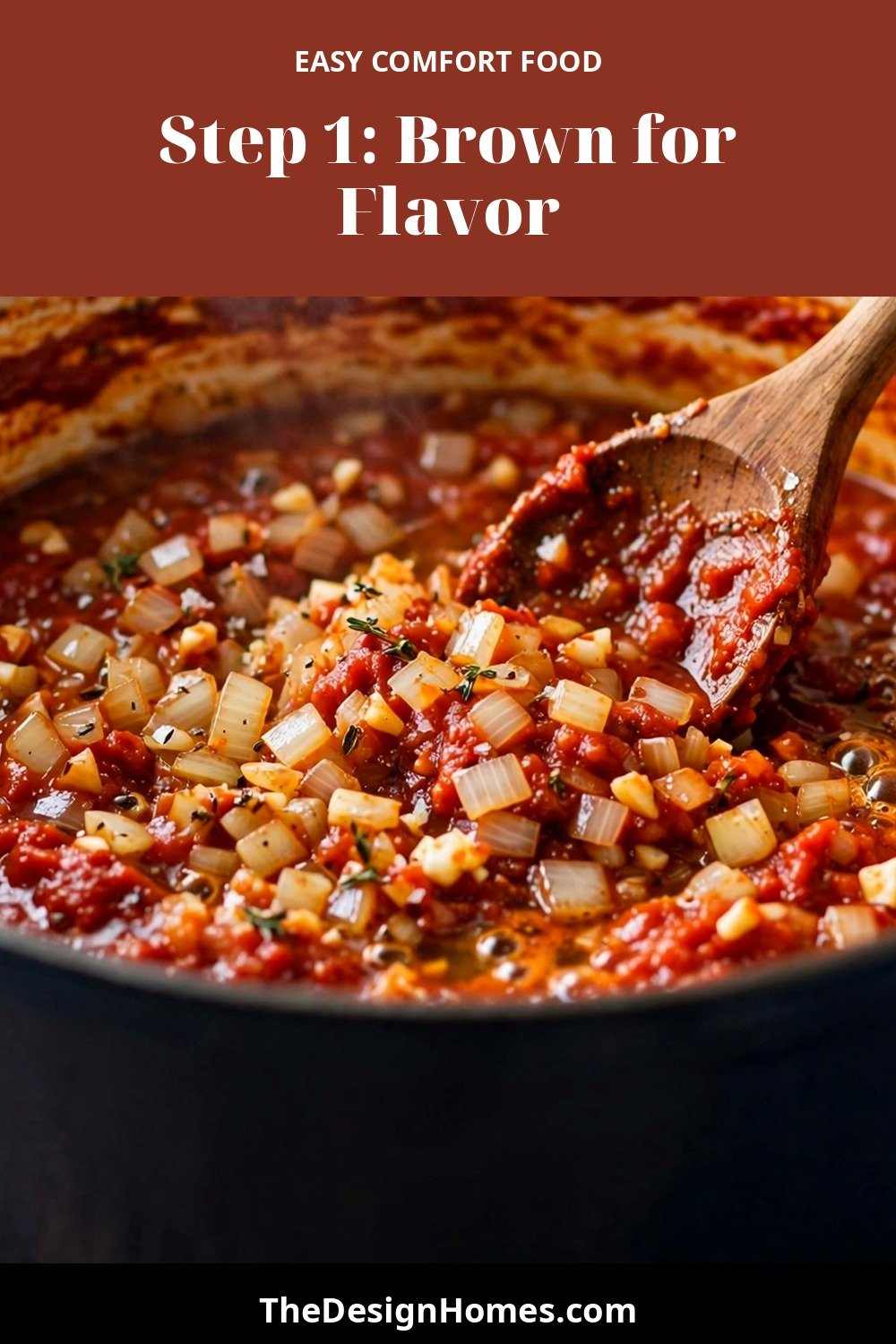
Set a large Dutch oven or heavy pot over medium-high heat with a drizzle of olive oil. Add the meat, breaking it into crumbles, and let it brown properly — resist stirring too often so the pieces pick up deep color. Good browning here is the foundation of the whole lasagna soup recipe, so give it the full eight minutes it deserves.
Lower the heat, add the diced onion and cook until softened and sweet, then stir in the garlic and tomato paste for the final minute. The garlic should smell fragrant, never scorched, and the tomato paste should coat everything in a deep brick-red layer. Your flavor base is built, and the pot is ready for liquid gold.
9. Step Two: Simmer, Add Noodles and Finish With Cheese
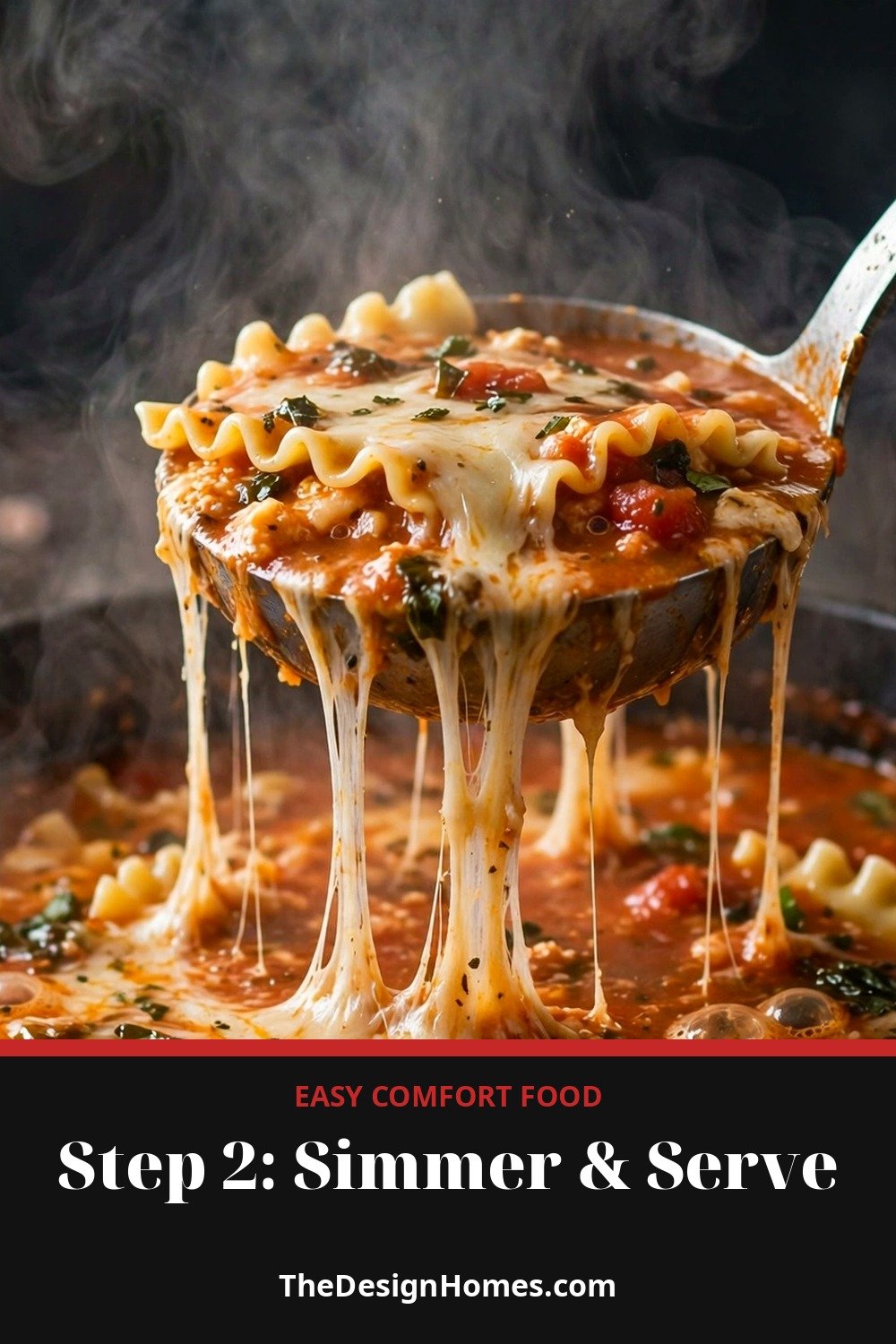
Pour in the broth, crushed tomatoes and diced tomatoes, scraping up every browned bit from the bottom of the pot — that is pure flavor. Add the Italian seasoning, sugar, salt and pepper, bring everything to a gentle boil, then reduce to a simmer and let the soup bubble for about fifteen minutes so the base deepens.
Now add the broken noodles and cook until just tender, stirring occasionally. Taste and adjust the seasoning, then ladle the soup into warm bowls. Finish each bowl with the ricotta-mozzarella dollop, extra Parmesan and torn fresh basil. Serve immediately, while the cheese is melting and the noodles are perfect.
10. Slow Cooker Lasagna Soup Variation
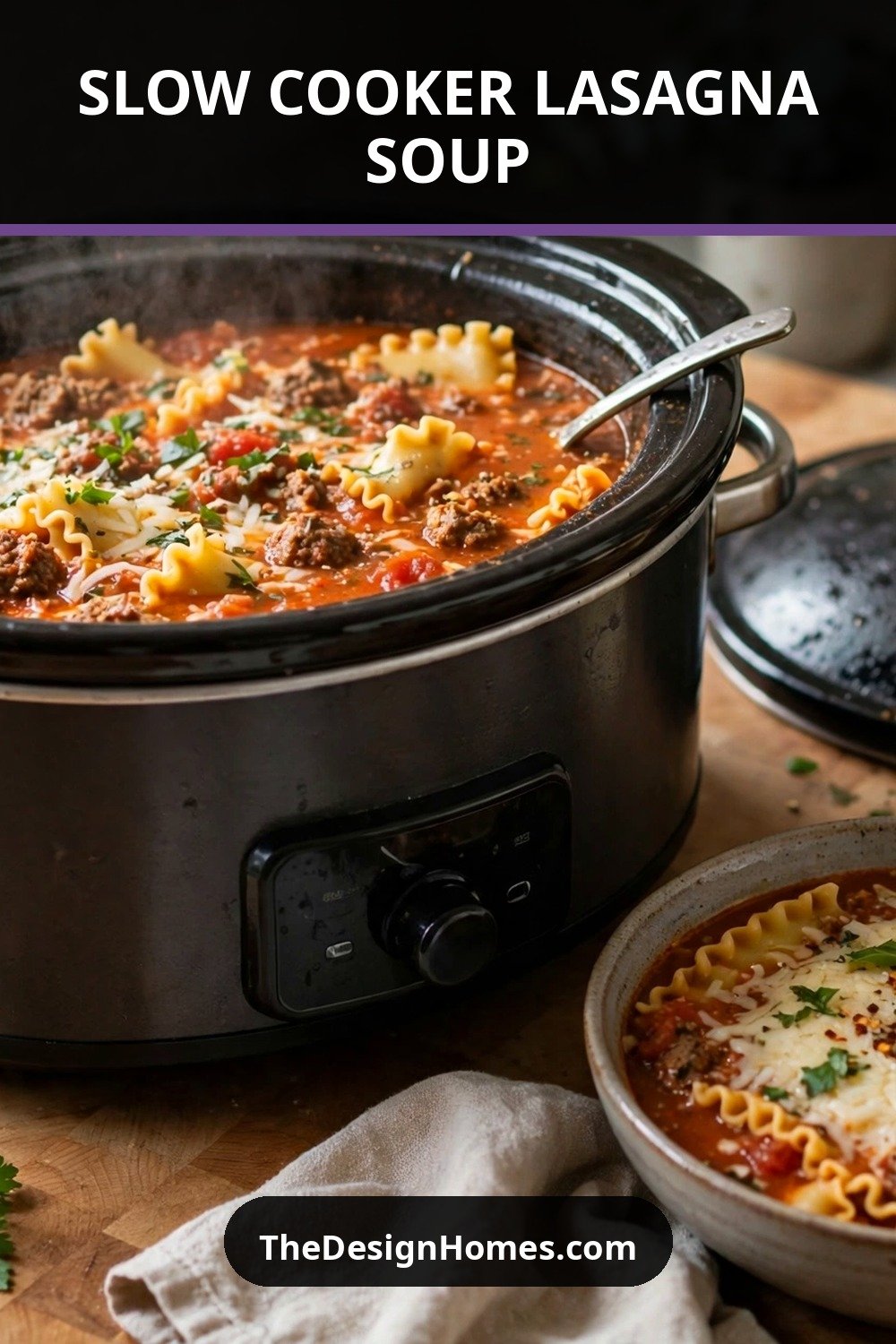
For a set-it-and-forget-it dinner, the slow cooker version of this lasagna soup recipe is unbeatable. Brown the meat with the onion and garlic on the stove first — this step matters for flavor — then transfer everything except the noodles and cheeses to the slow cooker with the tomatoes and broth.
Cook on low for six to seven hours or high for three to four. About thirty minutes before serving, stir in the broken noodles, cover and cook until tender. Serve with the cheese dollop as usual. You will come home to a house that smells like an Italian grandmother has been cooking all day, because in a way, she has.
11. Instant Pot Lasagna Soup Variation
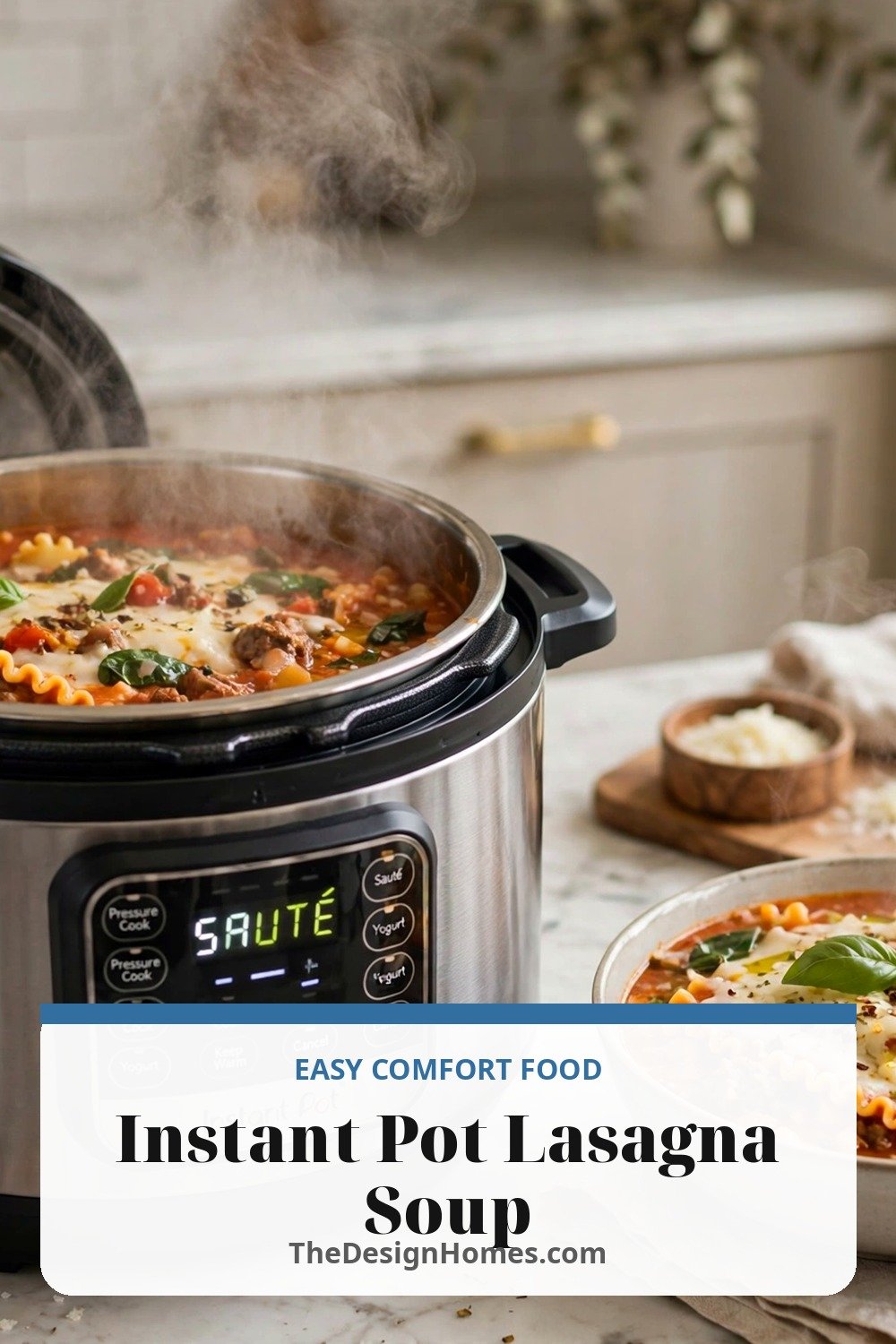
The Instant Pot makes this lasagna soup recipe even faster. Use the sauté function to brown the meat, onion, garlic and tomato paste right in the pot, then pour in the broth and tomatoes and scrape the bottom clean — this prevents the burn warning. Add the broken noodles on top and gently press them into the liquid without stirring hard.
Seal and cook on high pressure for four minutes, then do a quick release. The noodles come out tender, the broth rich, and dinner is on the table in well under half an hour of mostly hands-off time. Finish with the cheese mixture and basil, exactly like the stovetop version.
12. Vegetarian Lasagna Soup Variation

A vegetarian lasagna soup loses none of the comfort. Swap the meat for a hearty mix of mushrooms, zucchini and red lentils, or use your favorite plant-based crumbles. The mushrooms bring savory depth, the lentils melt into the broth and make it satisfying, and a spoonful of tomato paste plus a splash of soy sauce restores that slow-cooked richness.
Use vegetable broth, keep the same Italian herbs, and do not skip the cheese finish — the ricotta dollop is what makes it taste like lasagna. For a vegan version, use a plant-based ricotta-style spread and mozzarella alternative, and add a pinch of nutritional yeast for cheesy depth. Everyone at the table will be happy.
13. Spicy Lasagna Soup With a Kick
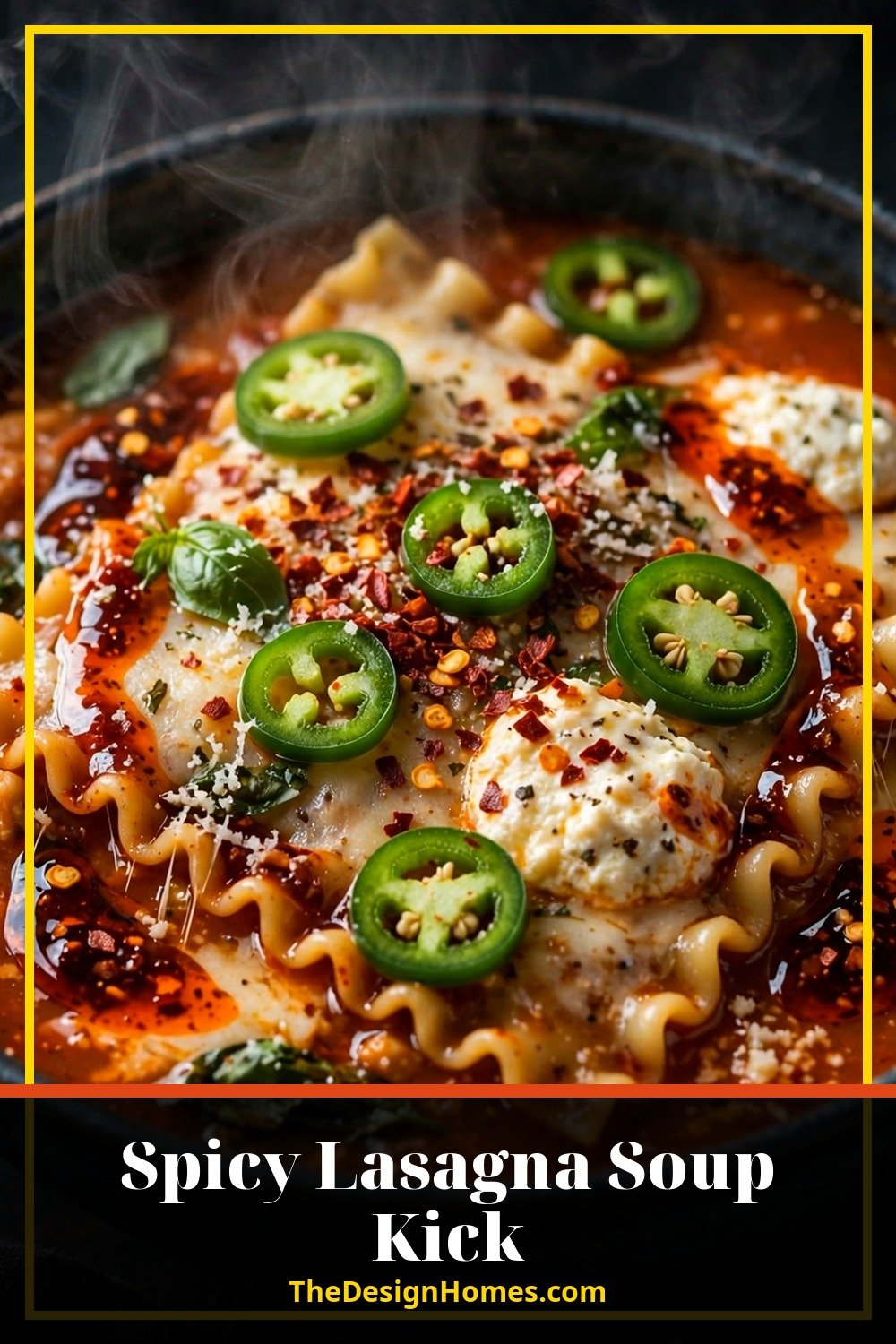
If your table loves heat, this lasagna soup recipe happily turns up the dial. Use hot Italian sausage, add a full teaspoon of red pepper flakes with the seasonings, and stir in a spoonful of Calabrian chili paste or a diced jalapeño with the onions. The tomato base carries heat beautifully without overwhelming the other flavors.
Balance is the trick: the creamy ricotta dollop cools each bite, so even a boldly spiced soup stays pleasant to eat. Serve extra red pepper flakes at the table so heat-lovers can add their own, and keep a basket of garlic bread nearby. Spicy lasagna soup with a cold drink beside it is a cold-night ritual worth repeating.
14. Toppings and Serving Ideas

Half the fun of lasagna soup is dressing your own bowl. Set out the cheese mixture, extra Parmesan, torn basil, a drizzle of good olive oil or chili oil, and a bowl of crispy garlic breadcrumbs for crunch. A small pinch of red pepper flakes or a swirl of pesto on top makes each bowl feel restaurant-special.
Serve the soup with thick slices of garlic bread or cheesy toast for dunking — non-negotiable, according to most families — plus a crisp green salad with a tangy dressing to cut the richness. For a crowd, keep the soup warm in the slow cooker and let guests ladle and top their own bowls; it is the easiest dinner-party format there is.
15. Make-Ahead, Storage and Pro Tips
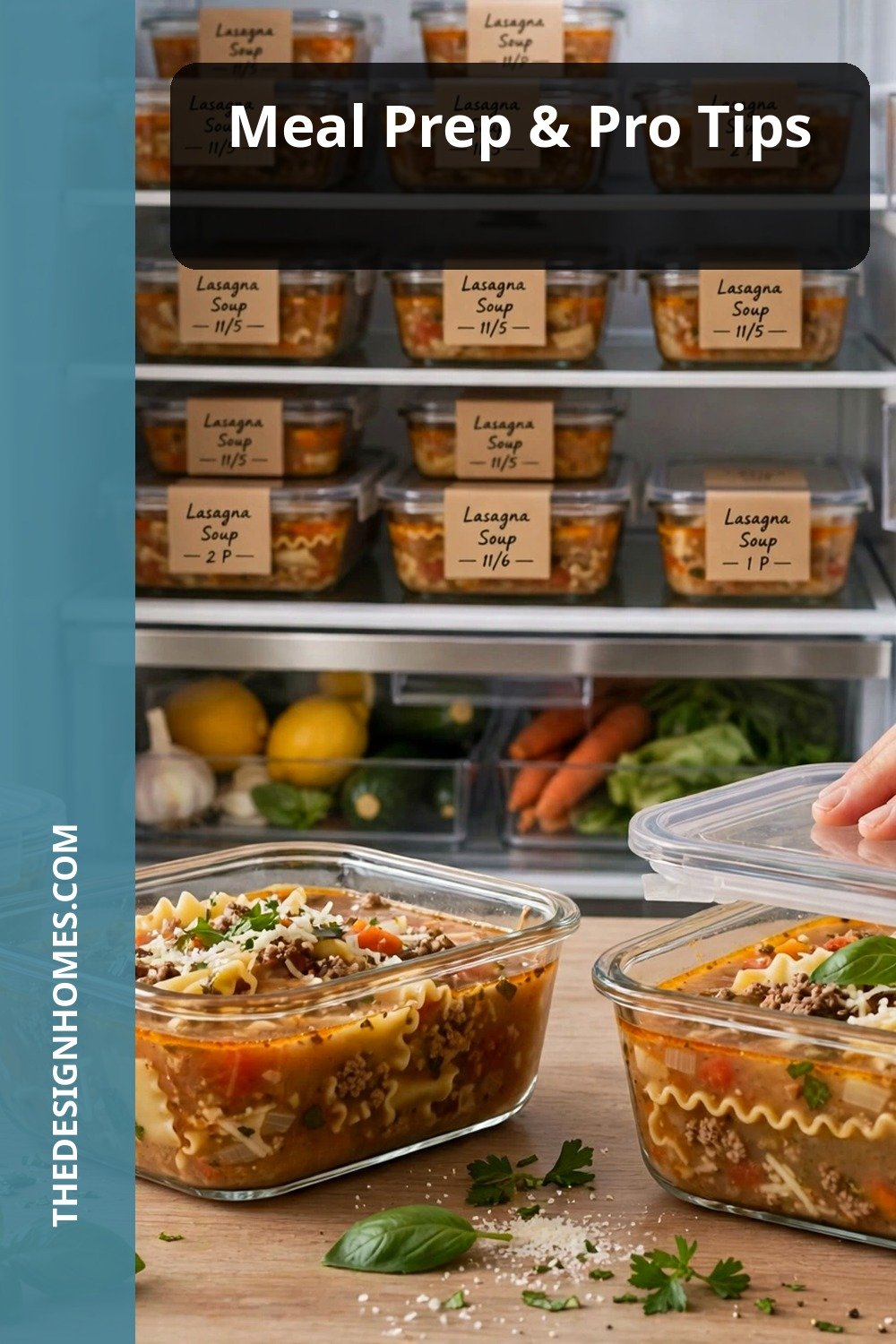
Lasagna soup is a meal-prep dream with one golden rule: store the noodles separately if you can. Cook the soup base, cool and refrigerate it for up to four days, and freeze it beautifully for up to three months. Cook fresh noodles when reheating, or stir leftover noodles in at the end just to warm through.
Three pro tips make this lasagna soup recipe foolproof. First, brown the meat deeply — color is flavor. Second, season the cheese dollop itself with a pinch of salt, pepper and Parmesan so it tastes like lasagna filling, not plain ricotta. Third, keep extra broth on hand: the soup thickens as it sits, and a splash brings it back to perfect, silky consistency every time.
Conclusion
This lasagna soup recipe gives you everything a great lasagna promises — the rich tomato base, the savory meat, the tender noodles and the melty three-cheese finish — in one pot and a fraction of the time. Make it on the stove, in the slow cooker or in the Instant Pot, keep it classic or turn it spicy or vegetarian, and do not forget the garlic bread. It is the kind of dinner that turns an ordinary Tuesday into the coziest night of the week.
Frequently Asked Questions
Can I make lasagna soup ahead of time?
Yes — the soup base actually tastes better the next day as the flavors blend. For the best texture, cook and store the noodles separately and add them when reheating, or undercook the noodles slightly if they are already in the soup. The base keeps four days in the fridge and three months in the freezer.
What noodles work best in lasagna soup?
Broken regular lasagna sheets are the classic choice and give the most authentic result, ruffled edges included. In a pinch, mafalda, rotini or farfalle work beautifully because their shapes catch the broth and cheese. Avoid cooking the noodles too long; tender with a slight bite is the goal.
How do I keep the noodles from getting mushy?
Add them near the end of cooking and serve the soup promptly. If you are making the soup for leftovers or a party, cook the noodles separately in salted water and add a handful to each bowl before ladling the hot soup over them. This one trick guarantees perfect noodles every time.
Can I freeze lasagna soup?
Absolutely. Freeze the soup without noodles and without the cheese topping for up to three months. Thaw overnight in the fridge, reheat gently on the stove, cook fresh noodles to stir in, and finish each bowl with the fresh ricotta-mozzarella mixture and Parmesan.
How can I make lasagna soup in a slow cooker?
Brown the meat with onion and garlic first, then add everything except the noodles and cheeses to the slow cooker. Cook on low for six to seven hours, stir in the broken noodles for the last thirty minutes, and serve with the cheese dollop and basil on top.