
If someone told you a tin of chickpeas could become soft, chewy, bakery-style cookies, you might laugh — until you take the first warm bite. These chickpea cookies taste like classic peanut butter chocolate chip cookies, with golden edges, melted chocolate pockets and a tender middle. Nobody guesses the secret ingredient, and that is exactly the fun of baking them.
Chickpeas blend into a smooth, naturally flourless dough that is rich in protein and fibre, yet has no beany flavour when prepared properly. No strange aftertaste, no dry crumb, and no specialist ingredients.
In this guide you will find a reliable base recipe, five delicious variations, and every trick to get the texture just right. Whether you bake for kids or meal prep snacks, these chickpea cookies will become a regular in your kitchen.
1. Why Chickpeas Work So Well in Cookies
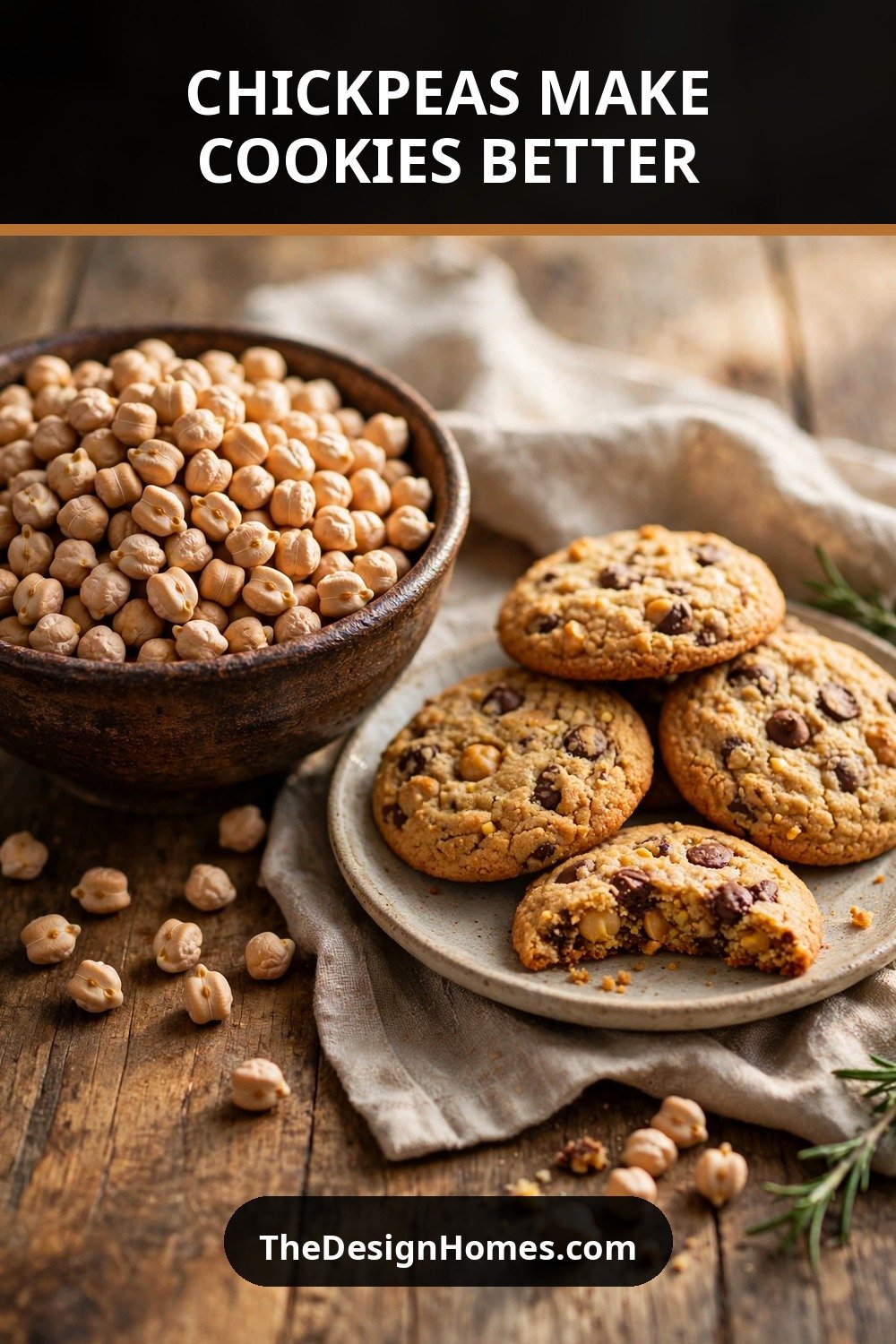
Chickpeas are mild, creamy and naturally starchy, which makes them an ideal base for cookie dough. When blended until completely smooth, they behave like a thick flour-and-egg mixture, holding everything together while keeping the crumb soft. Their neutral flavour disappears behind peanut butter, vanilla and chocolate.
They also bring real nutrition. Chickpeas add plant protein, fibre and slow-release energy, so a cookie keeps you full far longer than a standard biscuit. Because blended beans create structure, chickpea cookies are naturally flourless and gluten free.
2. The Pantry Ingredients You Need
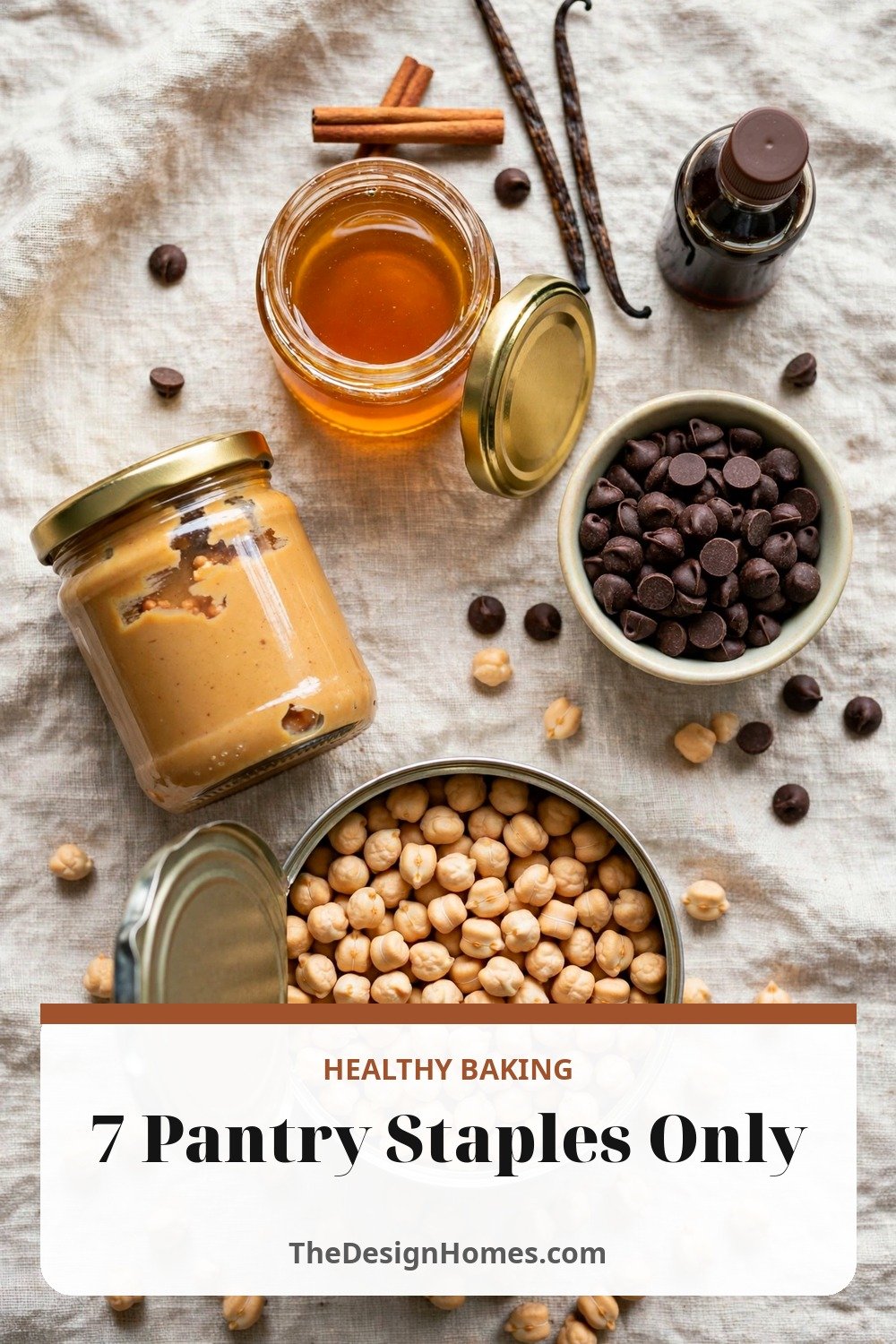
You probably own almost everything already. The essentials are one tin of chickpeas, drained and rinsed well, smooth peanut butter or almond butter, honey or maple syrup, vanilla extract, baking powder, a pinch of sea salt and dark chocolate chips. Those seven ingredients alone produce the classic cookie.
Quality makes a difference. Choose a runny, natural nut butter with no added sugar, because it blends smoothly and gives the best chew. Use real vanilla, and pick chocolate with at least fifty percent cocoa. Keep baking powder fresh, since old powder makes flourless bakes flat.
3. Classic Chickpea Chocolate Chip Cookies
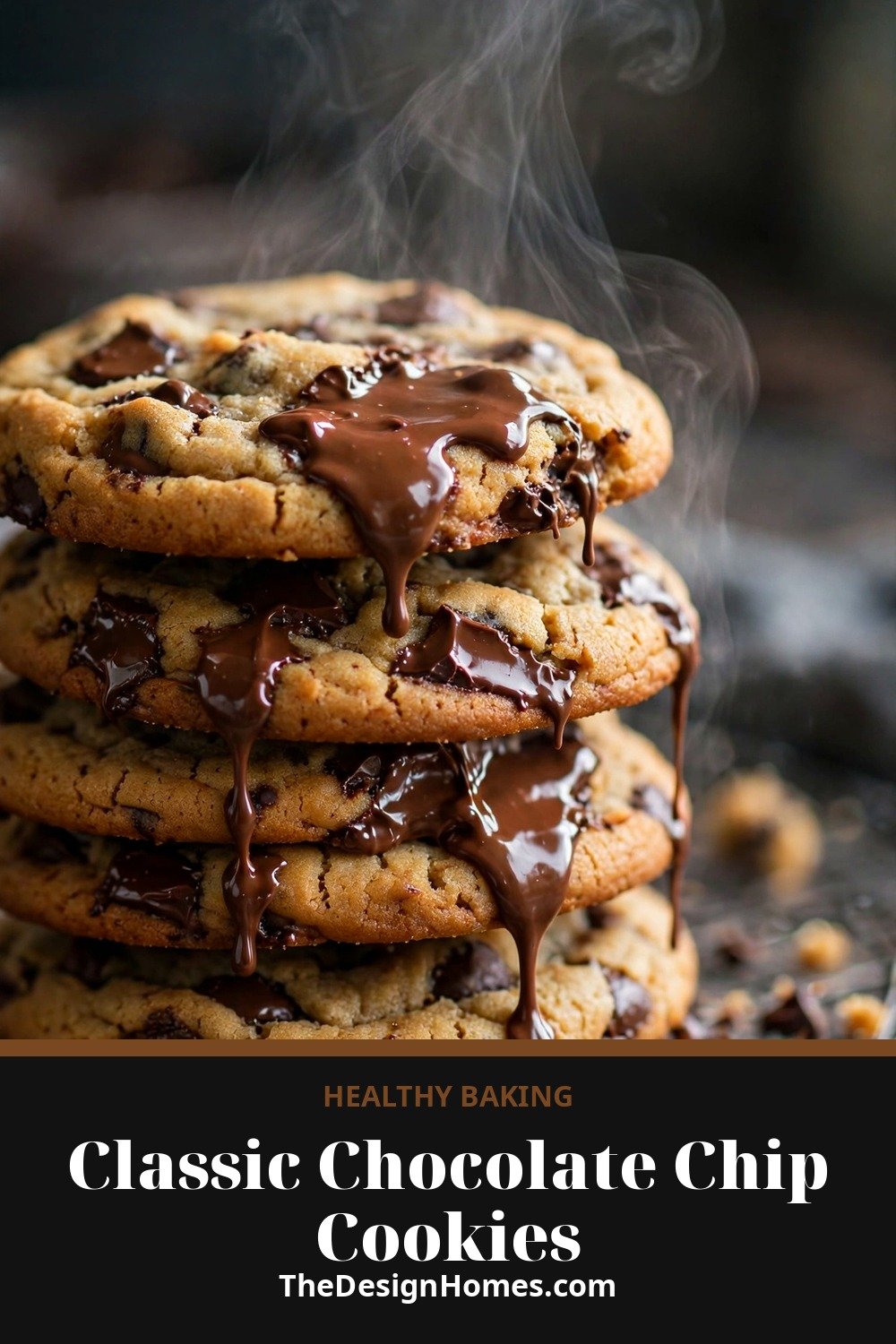
Here is the base recipe. You need 400 grams drained chickpeas, 125 grams peanut butter, 80 millilitres honey or maple syrup, two teaspoons vanilla, one teaspoon baking powder, half a teaspoon salt and 90 grams chocolate chips. Heat the oven to 175 degrees Celsius, line a tray, blend everything except the chips until silky smooth, then fold in the chips. Scoop twelve balls, flatten slightly, and bake for twelve to fourteen minutes until the edges are golden.
Let the cookies rest on the hot tray for ten minutes, because they firm up as they cool and that rest creates the perfect chewy centre. The result is a soft cookie with crisp edges and pools of chocolate, with no trace of bean flavour. Master this batch first, because every variation below starts from this method and simply changes the flavours.
4. Peanut Butter Chickpea Cookies
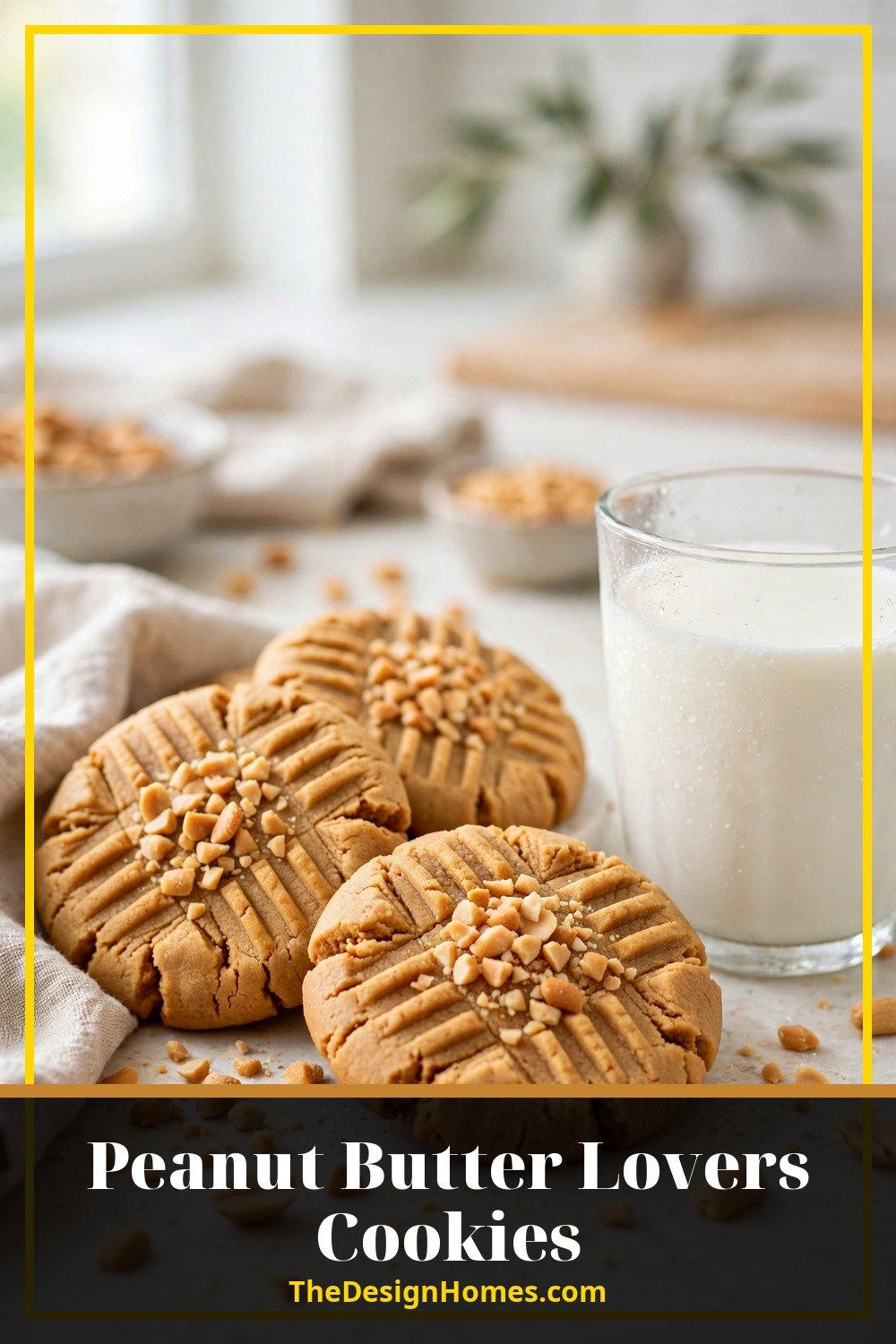
For true peanut butter lovers, this variation doubles down on nutty flavour. Follow the base recipe, but increase the peanut butter to 150 grams and reduce the honey to 70 millilitres. Press a crisscross pattern into each ball with a fork dipped in sugar, like old-fashioned peanut butter biscuits, and sprinkle chopped roasted peanuts on top before baking.
A finishing touch makes these unforgettable: add a pinch of flaky sea salt to each cookie the moment it leaves the oven. The salt sharpens the peanut flavour and balances the sweetness beautifully. These chickpea cookies are especially good warm, when the centres stay soft and almost fudge-like, paired with a cold glass of milk.
5. Double Chocolate Chickpea Cookies
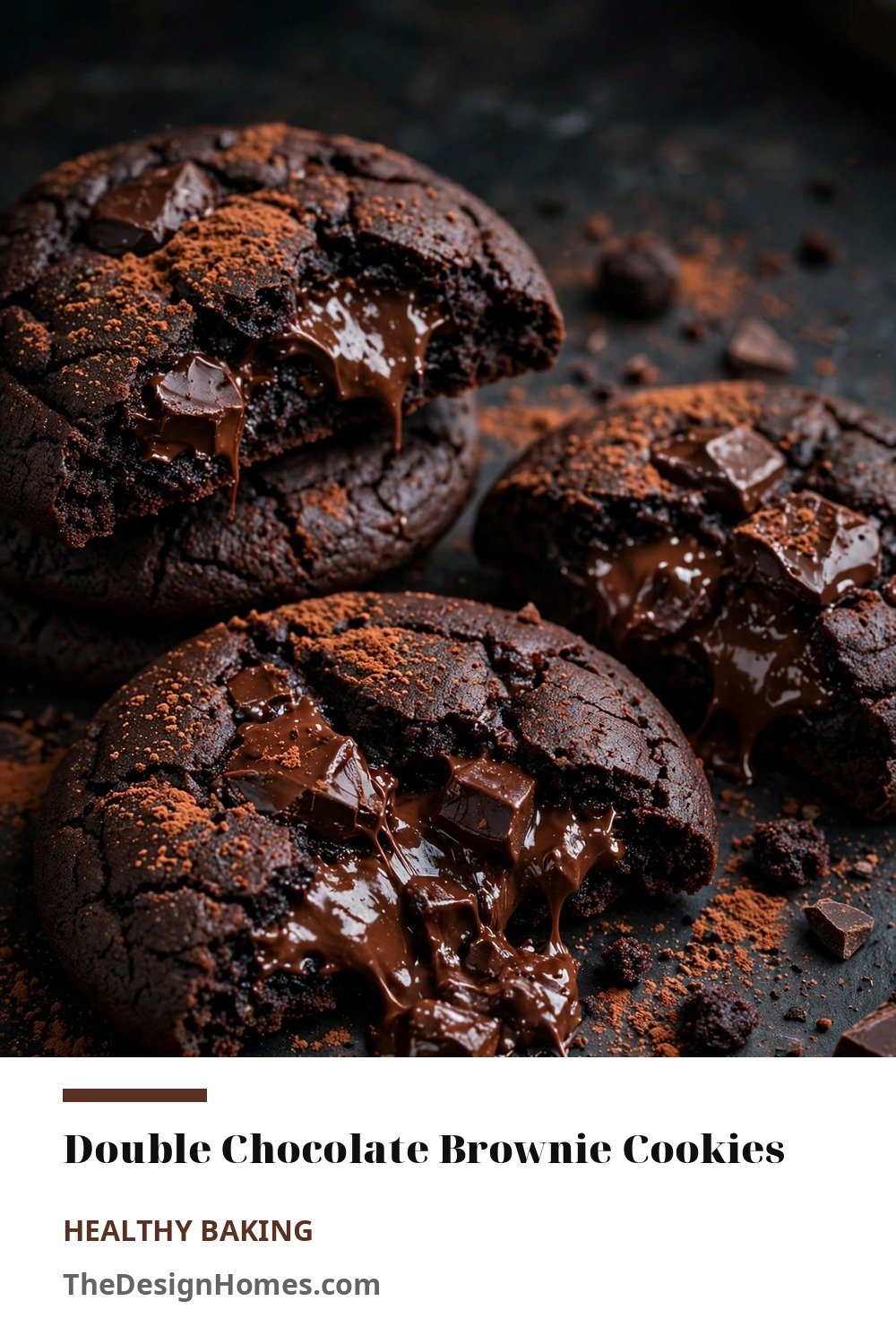
Chocolate fans should try this dark, brownie-like version. Add three tablespoons of cocoa powder to the base dough and swap half the honey for soft brown sugar to deepen the colour and flavour. Fold in dark chocolate chips and chopped chocolate chunks, so some pieces melt into puddles while others stay as satisfying bites throughout the cookie.
Bake them for one minute less than the classic batch, because cocoa cookies dry out faster and an underbaked centre is the secret to that brownie chew. A teaspoon of instant coffee, optional, will not make them taste like coffee but will make the chocolate taste far more intense. Dust lightly with cocoa before serving.
6. Chickpea Oatmeal Raisin Cookies
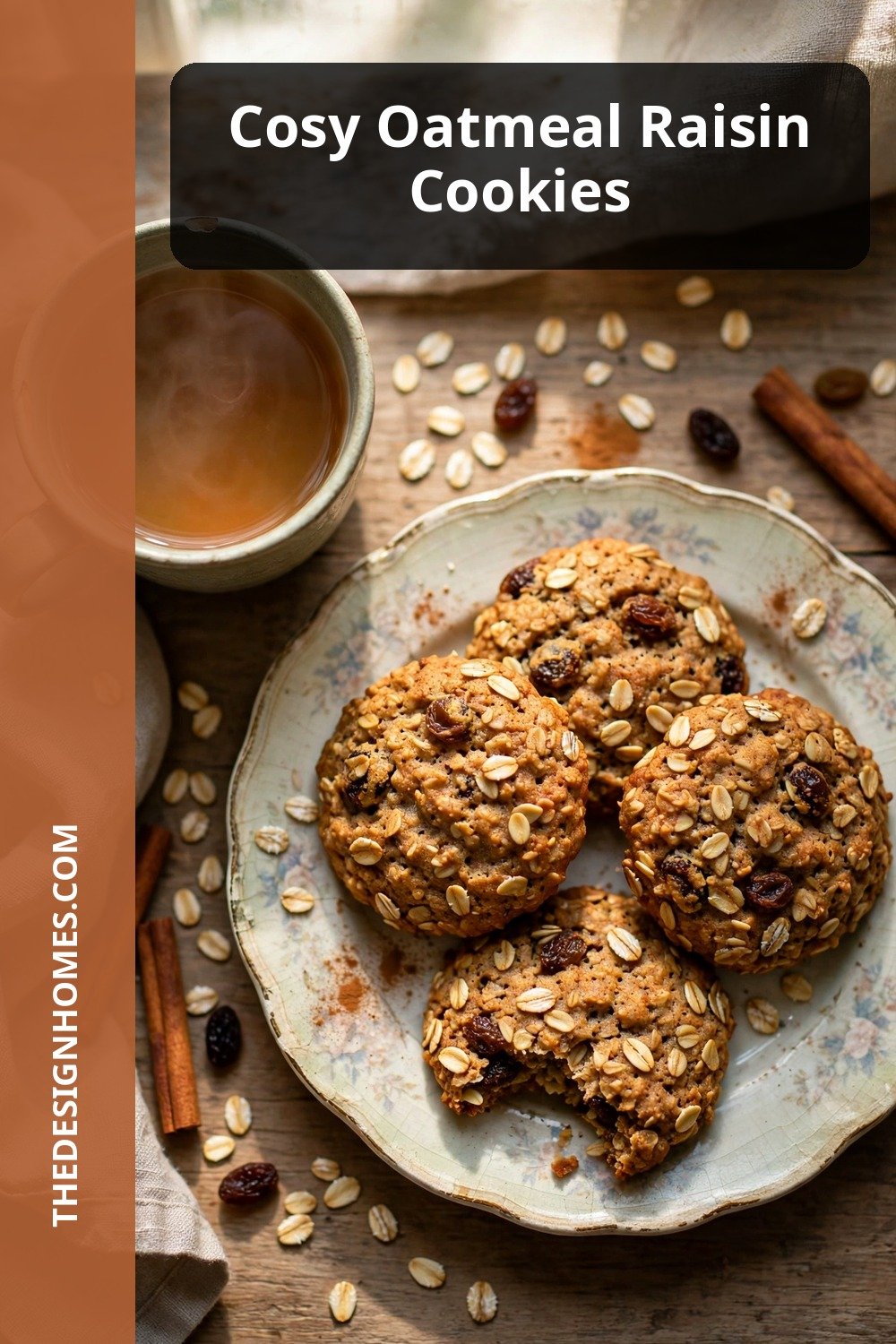
This cosy variation tastes like the oatmeal cookies from childhood, only softer and more nourishing. Stir sixty grams of rolled oats and sixty grams of plump raisins into the finished base dough, with a teaspoon of cinnamon and a quarter teaspoon of nutmeg. Let the dough rest for ten minutes before scooping, so the oats absorb moisture and bake into a tender, hearty crumb.
For extra flavour, soak the raisins in hot water or orange juice for ten minutes and drain before mixing. That step keeps them juicy instead of dry. A handful of chopped walnuts adds welcome crunch, and a drizzle of maple syrup over the warm cookies gives them a gentle shine. Wonderful for breakfast boxes and afternoon tea.
7. No-Bake Chickpea Cookie Dough Bites
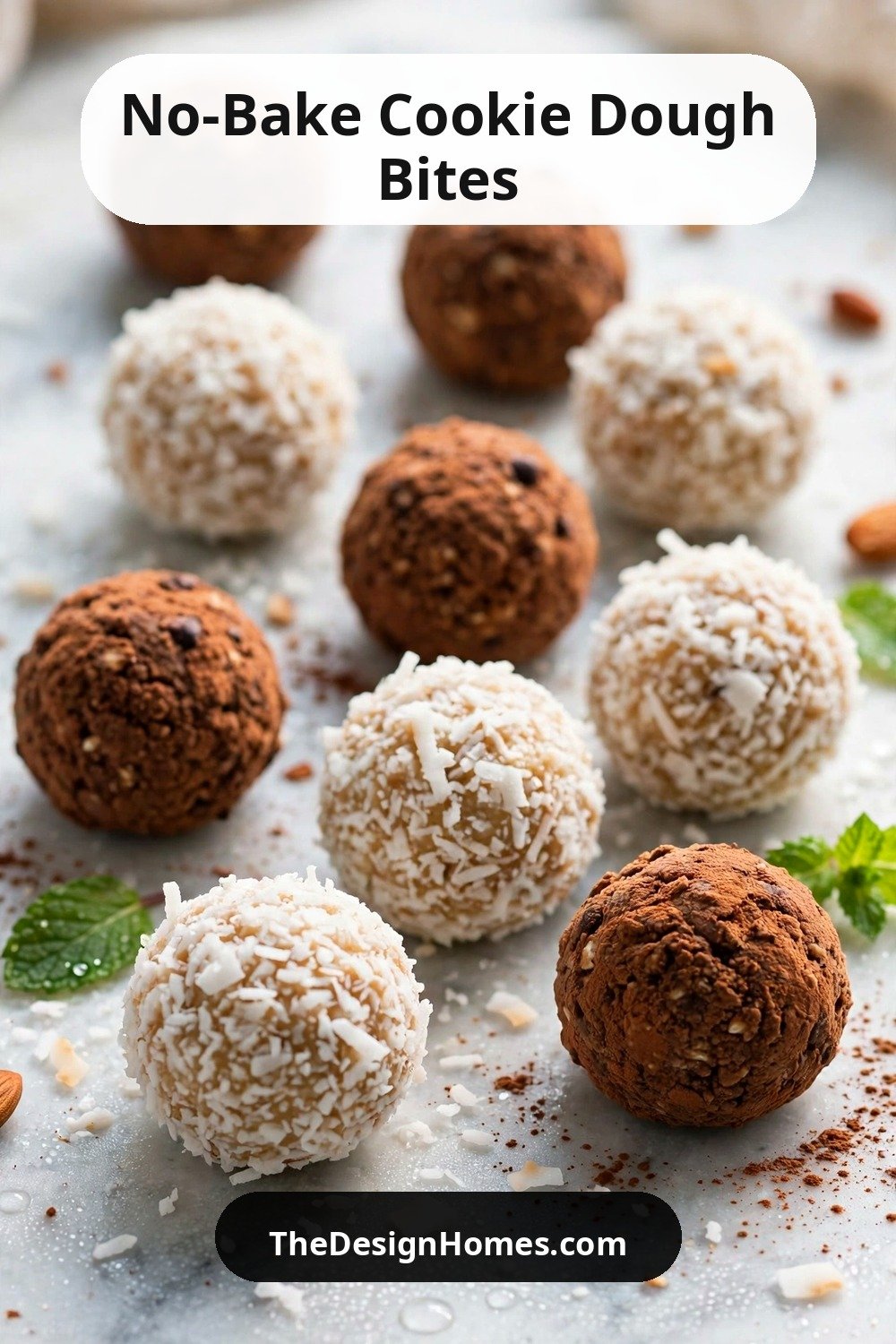
When it is too hot to switch on the oven, these no-bake bites deliver all the flavour with none of the waiting. Blend the base mixture without the baking powder, then stir in fifty grams of oat flour and extra chocolate chips until it resembles scoopable dough. Roll into bite-sized balls and chill for at least thirty minutes until firm and fudgy.
Roll the finished bites in cocoa, desiccated coconut or finely chopped nuts for a truffle-style finish. Keep them in the fridge and grab one whenever a sweet craving strikes, because they taste exactly like raw cookie dough while being completely safe to eat. Children love helping to roll them, and they make an excellent healthier party treat.
8. Flourless Baking Tips That Actually Work
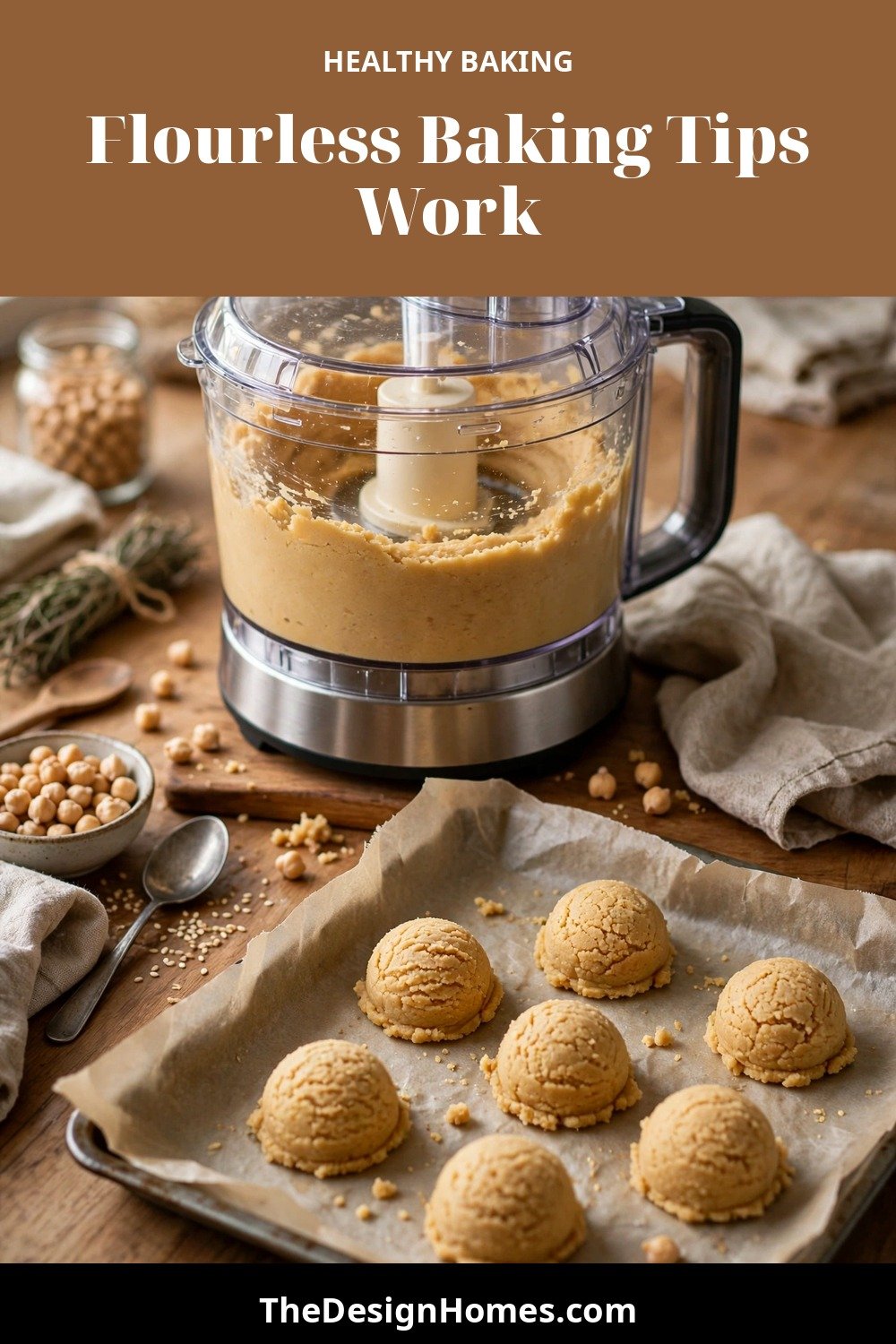
Flourless dough behaves differently, so a few rules matter. Blend for longer than you think necessary, scraping down the food processor twice, until the mixture looks like hummus with no visible chickpea skins. Any lumps left at this stage will bake into the cookie, so patience here decides the final texture more than any other step.
Do not expect the dough to look like traditional cookie dough. It will be sticky and soft, closer to a thick batter, and that is completely normal. Wet your hands or use a damp cookie scoop for clean portions, chill the dough for twenty minutes if it feels too loose, and always bake on parchment so the delicate bottoms release easily.
9. Sweetener Options: Honey, Maple and More

Honey gives the classic batch a gentle floral sweetness and helps create a chewy centre. Maple syrup produces a slightly softer cookie with a warm, caramel-like depth that suits the oatmeal and double chocolate versions especially well. Both work in the same quantity, so swap them freely depending on what you have open in the cupboard.
For a lower-sugar option, try a granulated sweetener blended with two tablespoons of milk to replace the missing liquid, or use mashed ripe banana for natural sweetness and extra moisture. Brown sugar adds chew and a hint of molasses, while coconut sugar brings a toffee note. Liquid sweeteners spread a little more, so chill those doughs briefly before baking.
10. Texture Secrets for Soft, Chewy Cookies

The biggest secret is simple: do not overbake. Chickpea cookies look slightly underdone when they are ready, with soft centres and just-set edges. They continue cooking on the hot tray, and pulling them out at twelve minutes protects that chewy middle. If you wait until they look fully firm in the oven, they will cool into dry, cakey biscuits.
Nut butter choice matters too. Runny, well-stirred peanut butter creates a moist dough, while the dry end of a jar produces crumbly results. A tablespoon of melted coconut oil can rescue a dry dough instantly. Finally, store baked cookies with a small piece of bread in the tin, a classic trick that keeps them soft for days.
11. Mix-Ins and Flavour Twists to Try
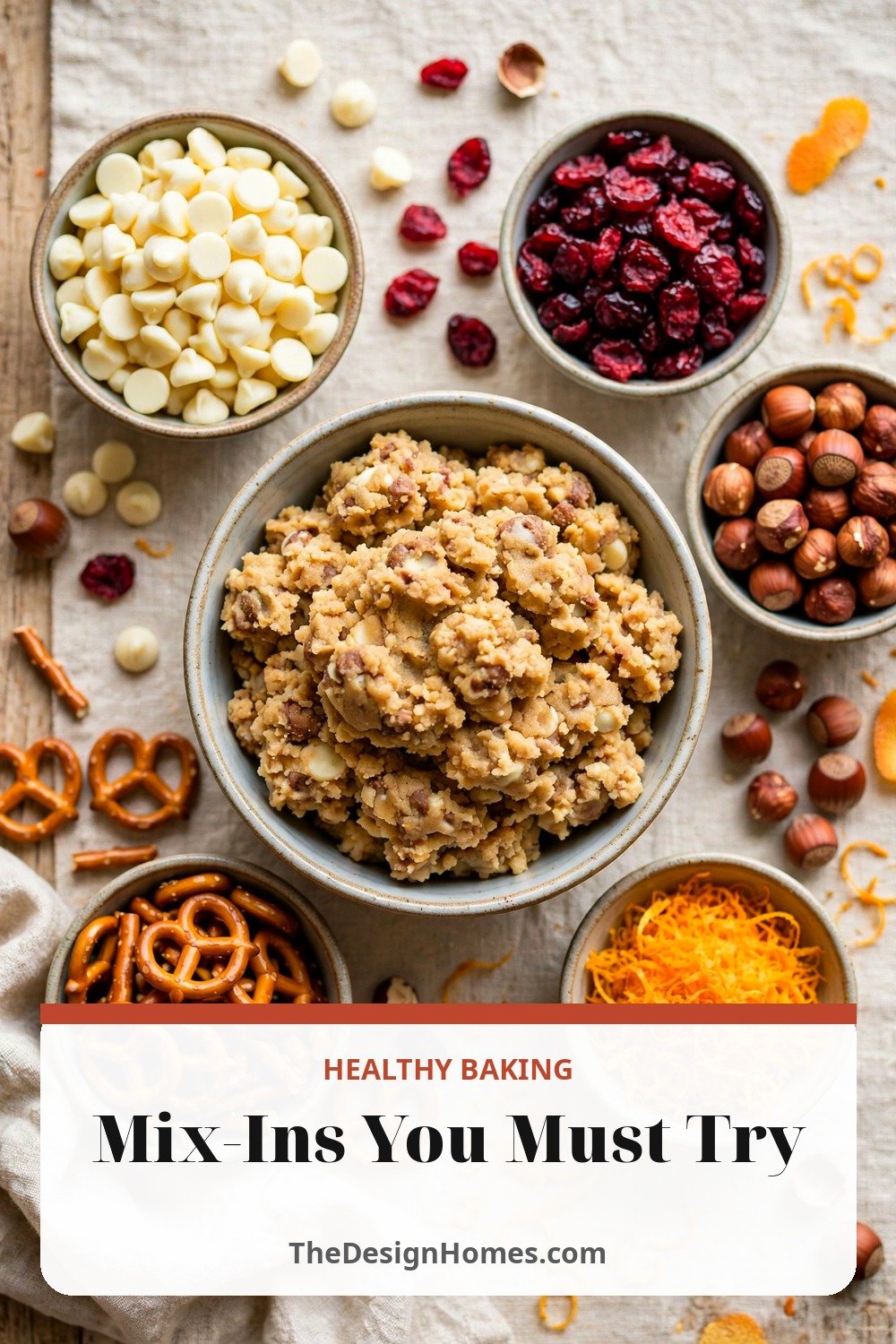
Try white chocolate and cranberries for a festive batch, hazelnuts with chocolate spread for luxury, or orange zest with dark chocolate. Chai spice or ginger makes a warming winter version.
Swirl in tahini instead of peanut butter, top with sesame seeds and honey for a sophisticated bake. Or fold through marshmallows, crushed pretzels and caramel chips for a movie-night cookie. Keep mix-ins to about one cup.
12. The Protein Angle: A Smarter Snack
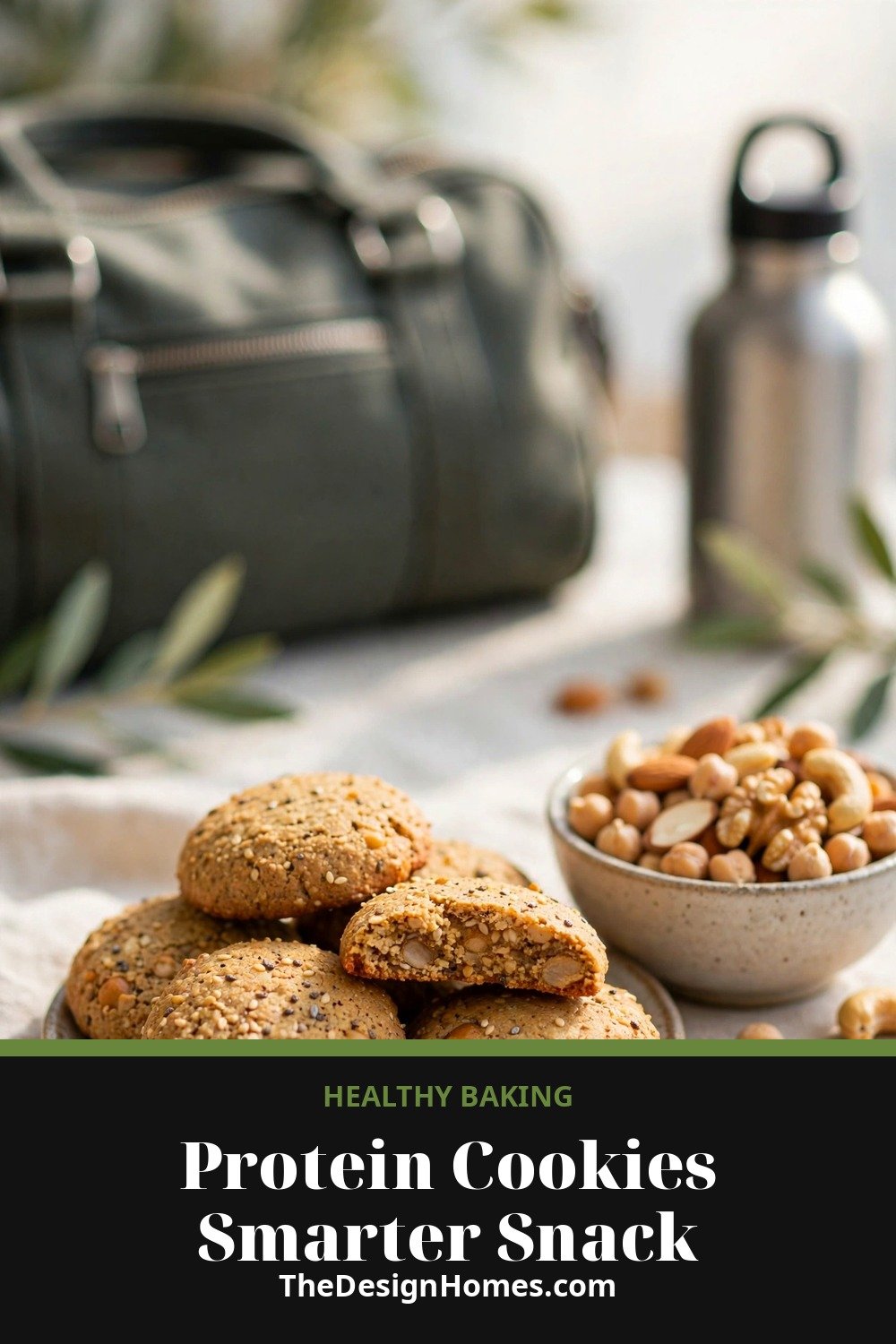
Each classic cookie provides roughly five grams of protein and three grams of fibre, thanks to the combination of chickpeas and peanut butter. That balance slows the sugar rush from ordinary biscuits, so one or two cookies genuinely satisfy after a workout or busy afternoon.
Raise protein further with high-protein nut butter or a tablespoon of ground flaxseed. Unlike many protein bakes, these chickpea cookies have no chalky taste, because protein comes from whole foods.
13. Kid-Approved Lunchbox Cookies
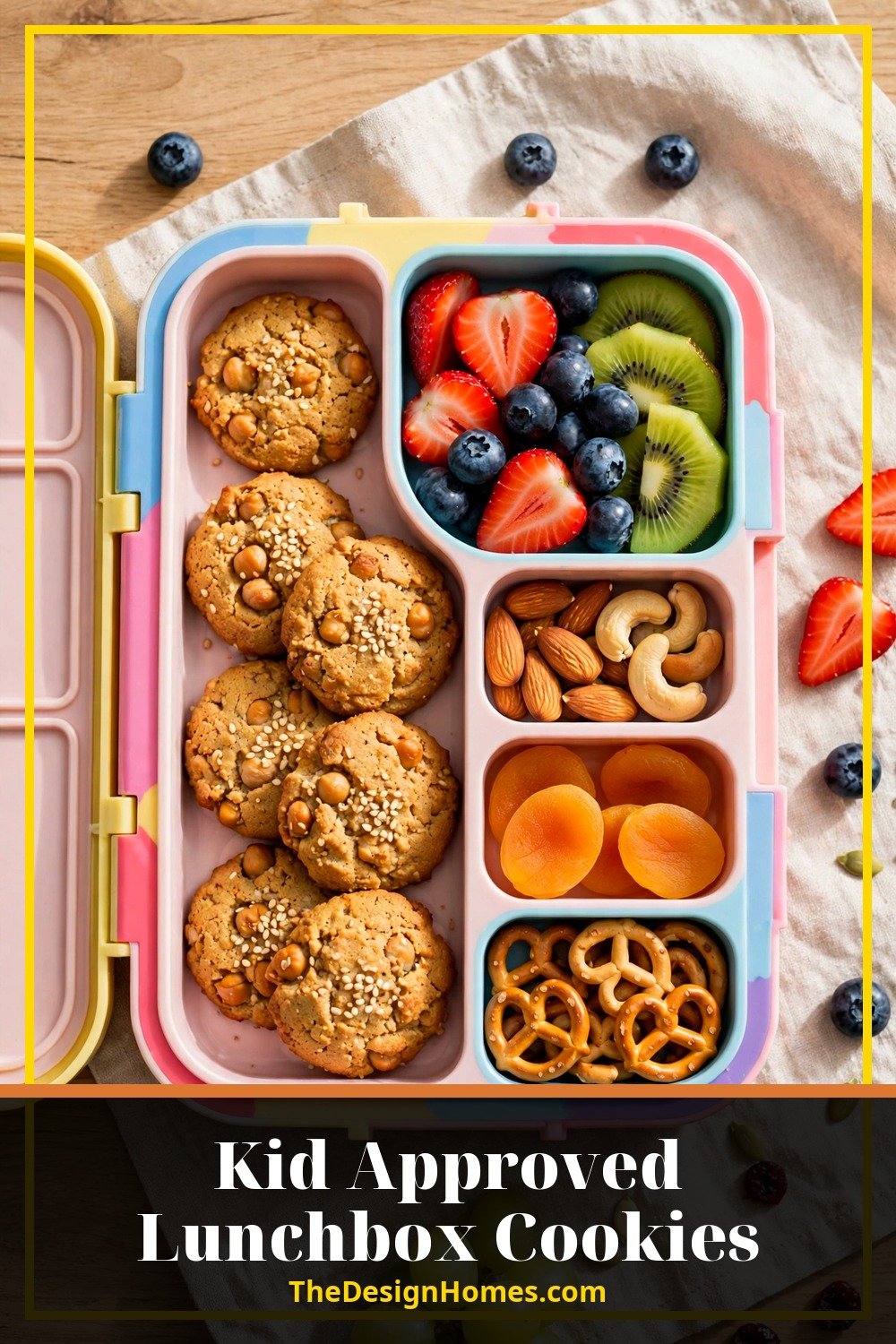
Children are tough critics, and these pass because they taste like peanut butter chocolate chip cookies. Let kids choose mix-ins and press extra chips on top, and they will proudly eat what they helped create. The soft texture suits younger children too.
For lunchboxes, bake a double batch on Sunday and portion them into small bags or boxes for the week. For schools with nut policies, make them with sunflower seed butter instead of peanut butter. That version tastes just as good, is completely nut free, and keeps every child included at snack time.
14. Storage and Freezing Guide
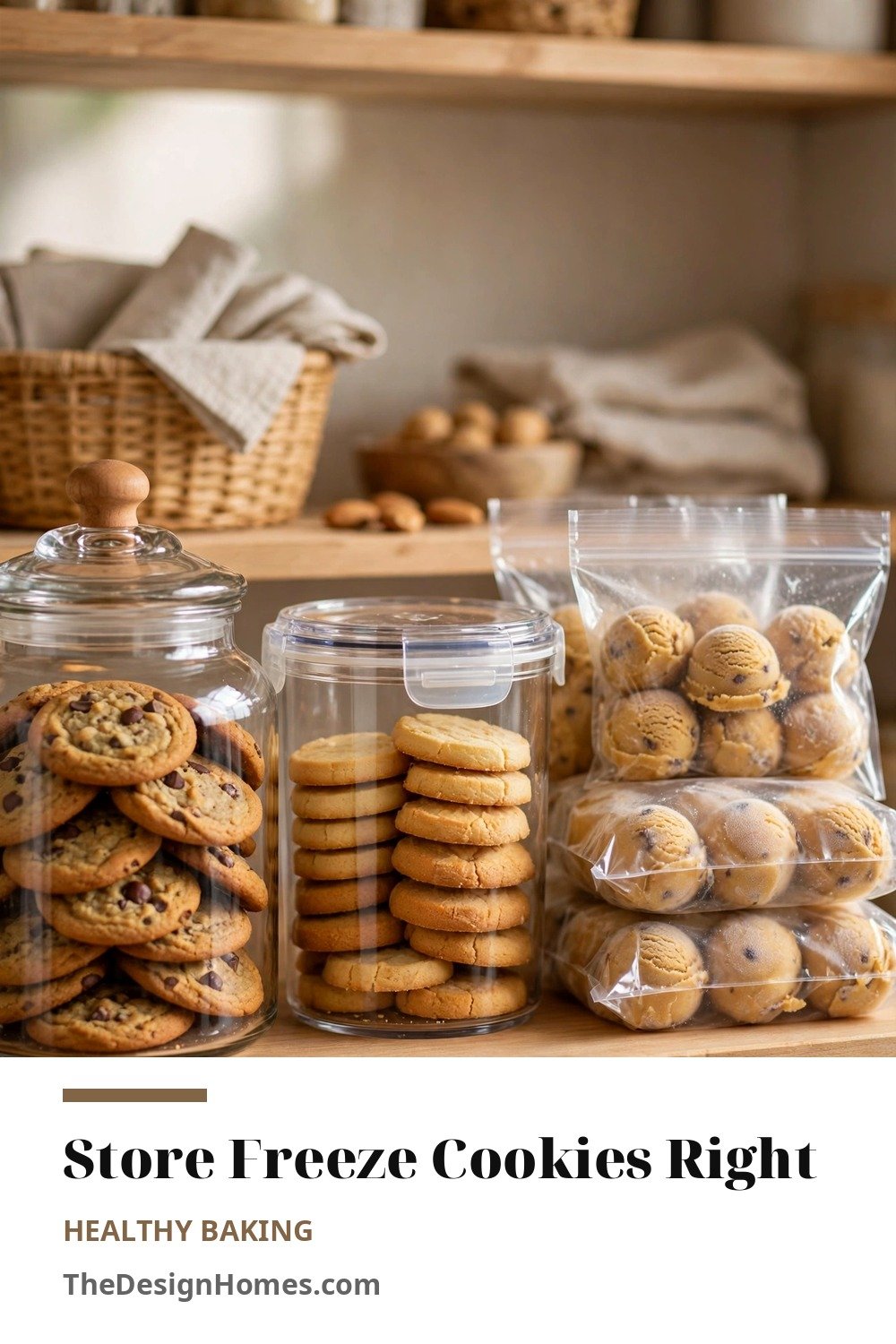
Store baked chickpea cookies in an airtight container at room temperature for up to three days, or in the fridge for a full week. The fridge actually improves the chew, making them denser and more fudge-like. Warm a chilled cookie for ten seconds in the microwave and the chocolate will melt again, tasting freshly baked.
They freeze beautifully. Freeze baked cookies for up to three months, or freeze raw dough scoops and bake from frozen, adding two extra minutes. The dough method means warm cookies on demand.
15. Common Mistakes to Avoid
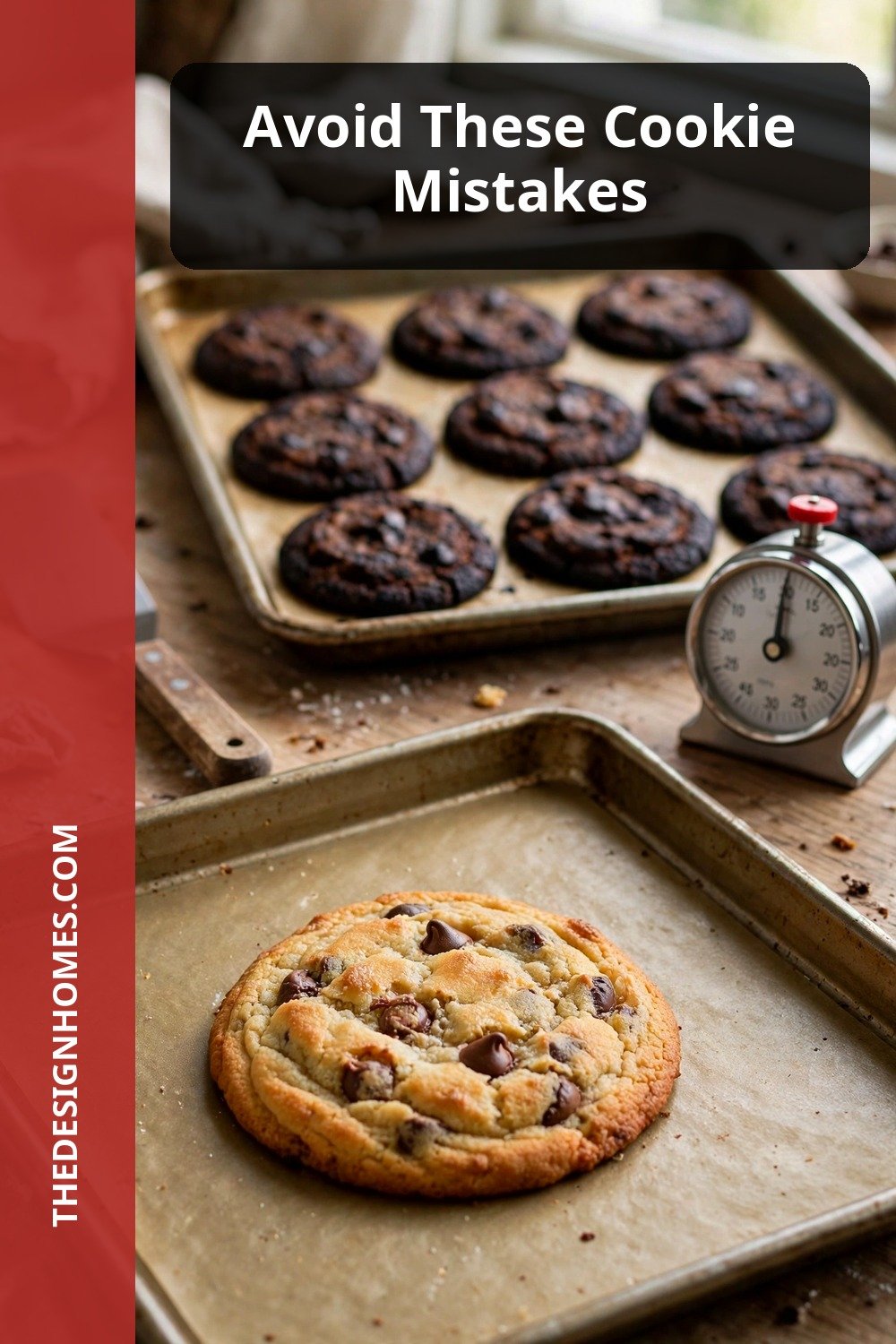
The most common mistake is under-blending, which leaves skins and lumps that spoil the illusion completely. The second is skipping the rinse: tin liquid adds a salty, beany flavour, so drain and rinse the chickpeas thoroughly and pat them dry. Using chickpea flour instead of whole blended chickpeas will not work here, because the recipe depends on their moisture.
Other pitfalls include overbaking, using stiff nut butter, and expecting a crisp biscuit. These are soft by design. Do not tell tasters the secret ingredient before they try one; enjoy their surprised faces afterwards.
Conclusion
Chickpea cookies prove that a smarter bake does not need to taste like a compromise. With one tin, a blender and a handful of pantry staples, you can make soft, chewy cookies in almost any flavour, from classic chocolate chip to double chocolate and oatmeal raisin.
Bake the classic batch first, then make the recipe your own with the twists above. Once friends taste them, the secret will not stay secret for long.
Frequently Asked Questions
Can you taste the chickpeas in chickpea cookies?
No, not when they are rinsed well and blended completely smooth. Peanut butter, vanilla, sweetener and chocolate dominate the flavour, so the finished cookies taste like classic peanut butter cookies, and testers are always surprised afterwards.
Are chickpea cookies gluten free and vegan?
They are naturally gluten free because the recipe uses no flour at all. To make them fully vegan, choose maple syrup instead of honey and use dairy-free chocolate chips. Always check labels if baking for someone with a serious allergy.
Can I use dried chickpeas instead of tinned?
Yes, but they must be soaked overnight and cooked until very soft before you begin. You need about 240 grams of cooked chickpeas, the drained weight of a tin. Tinned chickpeas are softer and more consistent, so they give the most reliable texture for beginners.
Why are my chickpea cookies dry or crumbly?
Dry cookies usually mean the dough was overbaked or the nut butter was too thick. Pull them from the oven while the centres still look soft, use runny nut butter, and add a spoonful of milk or coconut oil if the dough looks stiff before baking.
How long do chickpea cookies stay fresh?
They keep for three days at room temperature in an airtight tin and up to a week in the fridge, where they become even chewier. They also freeze well for three months, either baked or as raw dough scoops, so you can always have a batch ready.