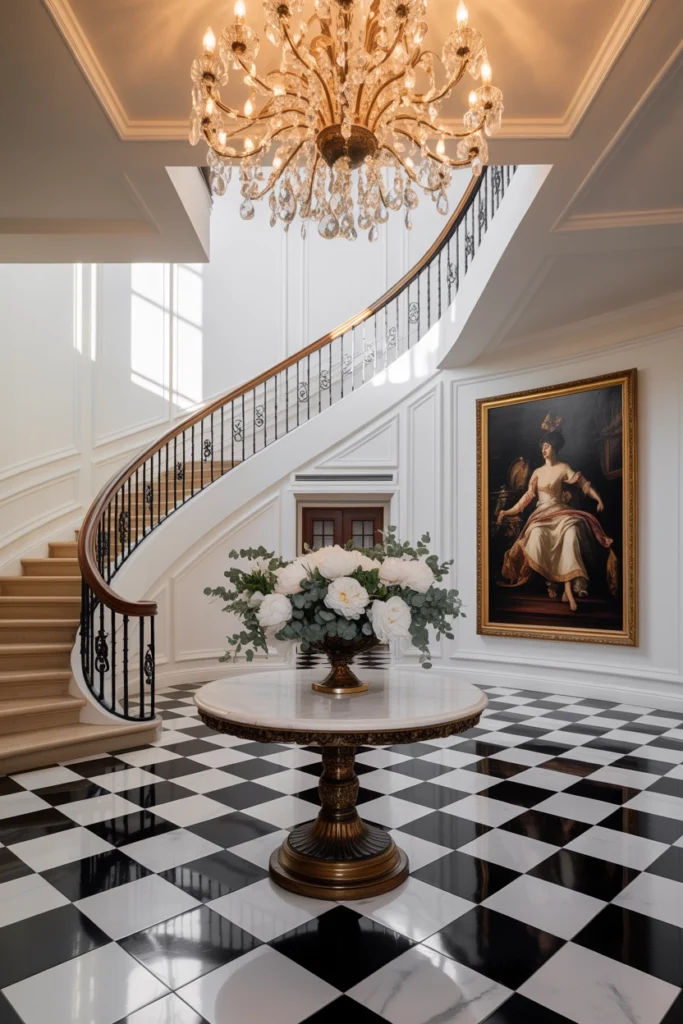
Indoor house plants have become more than just decorative items; they are now an essential part of modern interior design. Whether you live in a spacious home or a compact apartment, adding greenery indoors can instantly enhance the aesthetic appeal of your space. Houseplants create a calming atmosphere, improve air quality, and bring a natural touch to environments dominated by furniture, electronics, and artificial materials.
The aesthetic value of indoor plants lies in their ability to complement different design styles. From minimalist and Scandinavian interiors to bohemian and contemporary spaces, plants fit seamlessly into almost any décor theme. Their diverse shapes, colors, and textures allow homeowners to express their personality while creating a welcoming and visually pleasing environment.

In recent years, social media platforms have popularized indoor plant styling, inspiring millions of people to transform their homes into green sanctuaries. This growing trend demonstrates how plants can elevate a room’s appearance while promoting a sense of well-being and connection with nature.
This article explores the beauty, benefits, styling ideas, and maintenance tips for creating an indoor house plant aesthetic that transforms your home into a refreshing oasis.
1. Understanding the Indoor Plant Aesthetic

The indoor plant aesthetic refers to the intentional use of houseplants to create visually appealing and harmonious living spaces. It combines greenery with interior design principles to achieve balance, texture, and natural beauty.
Plants contribute to aesthetics through their unique foliage patterns, varying heights, and vibrant colors. Large statement plants can serve as focal points, while smaller plants add subtle decorative touches throughout a room.
An effective plant aesthetic focuses on placement, variety, and coordination with existing décor. By thoughtfully arranging plants, homeowners can create a cohesive look that feels both stylish and inviting.
2. Why Indoor Plants Are Popular in Modern Homes

Indoor plants have gained immense popularity because they satisfy both decorative and functional needs. People increasingly seek ways to reconnect with nature, especially in urban environments where outdoor green spaces may be limited.
Plants offer a natural contrast to modern architecture and technology. Their organic forms soften hard lines and create a more relaxed atmosphere. Additionally, many homeowners appreciate the versatility of plants, as they can be moved and rearranged easily to refresh a room’s appearance.
The rise of remote work has also contributed to the popularity of indoor plants, as people seek to create healthier and more inspiring home environments.
3. Benefits of Indoor House Plants

Beyond aesthetics, indoor plants provide numerous benefits that enhance daily living.
Some key advantages include:
- Improved indoor air quality
- Increased humidity levels
- Reduced stress and anxiety
- Enhanced concentration and productivity
- Better mood and mental well-being
- Natural decoration for any room
Studies suggest that being surrounded by greenery can create a calming effect, helping individuals feel more relaxed and connected to nature.
4. Choosing the Right Plants for Your Space

Selecting suitable plants is essential for achieving a beautiful indoor aesthetic. Factors such as lighting conditions, room size, and maintenance requirements should guide your choices.
For bright spaces, consider:
- Fiddle Leaf Fig
- Bird of Paradise
- Rubber Plant
For low-light areas:
- Snake Plant
- ZZ Plant
- Pothos
For compact rooms:
- Succulents
- Mini Cacti
- Peperomia
Choosing plants that thrive in your home’s environment ensures they remain healthy and visually appealing.
5. Creating a Minimalist Plant Aesthetic

Minimalist interiors emphasize simplicity, clean lines, and uncluttered spaces. Plants can enhance this style when used thoughtfully.
Choose a few striking plants with sculptural shapes rather than filling every corner. Neutral-colored pots in white, black, or beige work particularly well within minimalist designs.
A large snake plant or rubber plant placed strategically can create a powerful visual impact without overwhelming the room.
6. Achieving a Bohemian Plant Style

The bohemian aesthetic celebrates creativity, freedom, and abundant greenery. Unlike minimalism, boho spaces often feature multiple plants arranged at varying heights.
Popular bohemian plant choices include:
- Monstera
- Pothos
- Philodendron
- Ferns
Combine hanging baskets, woven planters, and macramé holders to create a layered and vibrant look. Mixing different textures and foliage types enhances the bohemian atmosphere.
7. Best Plants for Living Room Décor

The living room is often the focal point of a home, making it an ideal place to showcase indoor plants.
Large floor plants can anchor empty corners, while smaller plants can decorate shelves, coffee tables, and entertainment units.
Excellent living room plants include:
- Monstera Deliciosa
- Fiddle Leaf Fig
- Rubber Plant
- Areca Palm
- Kentia Palm
These plants add elegance and create a welcoming environment for family and guests.
8. Bedroom Plant Aesthetic Ideas

Plants can transform a bedroom into a peaceful retreat. Their calming presence contributes to relaxation and creates a refreshing atmosphere.
Good bedroom plant options include:
- Snake Plant
- Peace Lily
- Lavender
- Aloe Vera
Place plants on bedside tables, windowsills, or floating shelves. Avoid overcrowding the room; instead, focus on creating a balanced and serene arrangement.
9. Styling Plants with Decorative Pots

The pot is just as important as the plant when creating an aesthetic display. Decorative containers can enhance the overall visual appeal and complement your interior design.
Popular planter materials include:
- Ceramic
- Terracotta
- Concrete
- Woven baskets
- Metal containers
Matching pot colors with your room’s palette creates harmony, while contrasting colors can add visual interest and personality.
10. Using Hanging Plants for Visual Impact

Hanging plants are an excellent way to maximize space and add vertical interest.
Popular hanging varieties include:
- String of Pearls
- Spider Plant
- English Ivy
- Pothos
Suspending plants near windows or in unused corners creates depth and movement within a room. Hanging arrangements can also make small spaces feel larger by drawing the eye upward.
11. Building an Indoor Plant Corner

A dedicated plant corner can become one of the most attractive features in your home.
To create a plant corner:
- Choose a well-lit area.
- Use plants of varying heights.
- Incorporate plant stands.
- Add decorative pots.
- Include a comfortable chair or small table.
The combination of greenery and thoughtful styling creates a cozy and relaxing space for reading, working, or unwinding.
12. Seasonal Plant Styling Tips

Refreshing your plant arrangements throughout the year keeps your interior looking dynamic.
Spring
Introduce colorful flowering plants and fresh greenery.
Summer
Highlight tropical plants and bright decorative pots.
Autumn
Use earthy tones and textured planters.
Winter
Focus on evergreen plants and warm lighting.
Seasonal updates help maintain visual interest while reflecting the changing atmosphere outside.
13. Common Indoor Plant Care Mistakes

Even the most beautiful plants can lose their appeal if not properly maintained.
Common mistakes include:
- Overwatering
- Insufficient light
- Poor drainage
- Ignoring pests
- Using incorrect soil
Understanding each plant’s specific needs is crucial for long-term success. Healthy plants always contribute more effectively to an attractive indoor aesthetic.
14. Budget-Friendly Ways to Create a Plant Aesthetic

Creating a stunning indoor plant display does not require a large budget.
Affordable strategies include:
- Propagating existing plants
- Purchasing small starter plants
- Reusing containers as planters
- Shopping at local nurseries
- Exchanging cuttings with friends
With creativity and patience, anyone can develop a beautiful indoor jungle without spending excessive amounts of money.
15. The Future of Indoor Plant Design
As sustainability and wellness continue to influence home design trends, indoor plants are expected to play an even greater role in interior aesthetics.
Smart planters, vertical gardens, and eco-friendly décor solutions are becoming increasingly popular. Designers are integrating plants into furniture, room dividers, and architectural features, creating innovative ways to bring nature indoors.
The future of indoor plant aesthetics lies in combining beauty, functionality, and environmental consciousness.
Conclusion
Indoor house plants offer a perfect blend of beauty, wellness, and functionality. They transform ordinary rooms into vibrant living spaces while improving the overall atmosphere of a home. Whether you prefer a minimalist arrangement with a few statement plants or a lush bohemian jungle filled with greenery, indoor plants provide endless opportunities for creative expression.
By selecting suitable plants, using decorative planters, and maintaining proper care routines, anyone can achieve a stunning indoor plant aesthetic. Beyond their visual appeal, houseplants foster a deeper connection with nature and contribute to a healthier, more relaxing living environment.
As modern lifestyles continue to evolve, the popularity of indoor plants is likely to grow, making them a timeless element of interior design. Investing in greenery is not just about decoration—it’s about creating a sanctuary where beauty, comfort, and nature coexist harmoniously.
Frequently Asked Questions (FAQs)
1. What are the best indoor plants for beginners?
Snake Plant, Pothos, ZZ Plant, Spider Plant, and Aloe Vera are excellent beginner-friendly options because they require minimal maintenance.
2. How many indoor plants should I have in a room?
There is no fixed number. The ideal amount depends on room size, lighting conditions, and personal preference. Start with a few plants and gradually expand.
3. Which indoor plants need the least sunlight?
Snake Plant, ZZ Plant, Chinese Evergreen, and Pothos can thrive in low-light environments.
4. How often should indoor plants be watered?
Watering frequency varies by species, season, and humidity levels. Most indoor plants prefer watering when the top inch of soil feels dry.
5. Do indoor plants really improve air quality?
Yes, many plants can help filter certain airborne pollutants and contribute to a fresher indoor environment.
6. What is the most aesthetic indoor plant?
Monstera Deliciosa is often considered one of the most aesthetic houseplants due to its large, uniquely split leaves.
7. Can indoor plants help reduce stress?
Yes, research suggests that interaction with plants can reduce stress levels and promote feelings of calmness and relaxation.
8. Which plants are best for bedrooms?
Snake Plant, Peace Lily, Aloe Vera, and Lavender are commonly recommended for bedroom spaces.
9. How do I prevent overwatering my plants?
Check soil moisture before watering and ensure pots have drainage holes to prevent root rot.
10. Are indoor plants expensive to maintain?
No, most houseplants require minimal maintenance costs. Proper care, occasional fertilizer, and suitable containers are usually sufficient.