A pollinator garden is a beautiful way to bring bees, butterflies, and hummingbirds into your outdoor space. With the right flowers, colors, and garden layout, you can create a lively backyard that looks stunning while supporting helpful pollinators.
Whether you have a large yard, a small patio, or a few containers, these pollinator garden ideas can help you create a colorful and welcoming space.
1. Pollinator Garden with Colorful Native Flowers
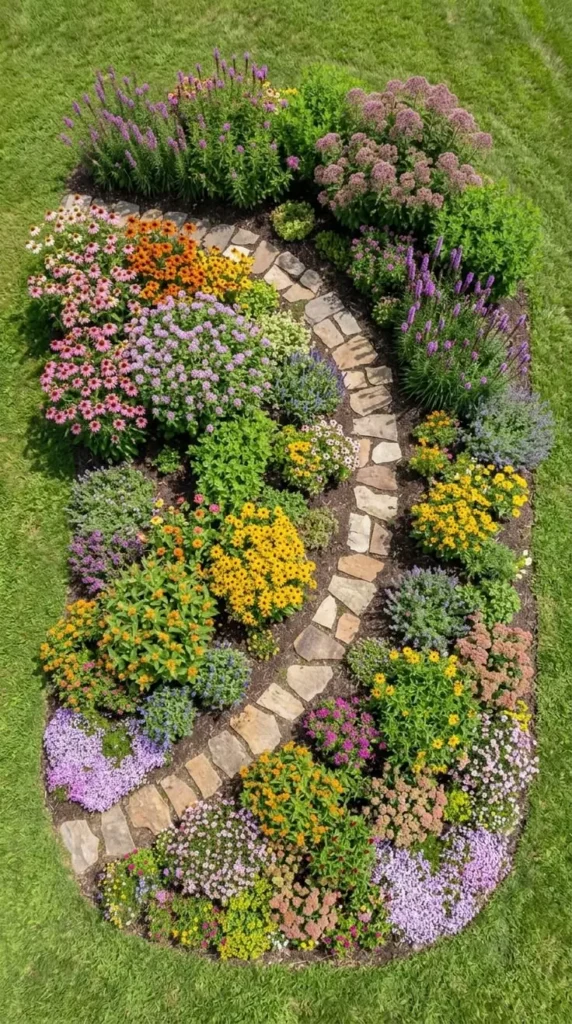
Native flowers are one of the best choices for a pollinator garden because they are naturally suited to your local environment. Plants such as coneflowers, asters, goldenrod, and native wildflowers can provide valuable nectar and pollen.
Choose several flower colors and shapes to make your garden more attractive. A mix of plants can also keep your pollinator garden blooming for a longer season.
2. Pollinator Garden with Bee-Friendly Flowers
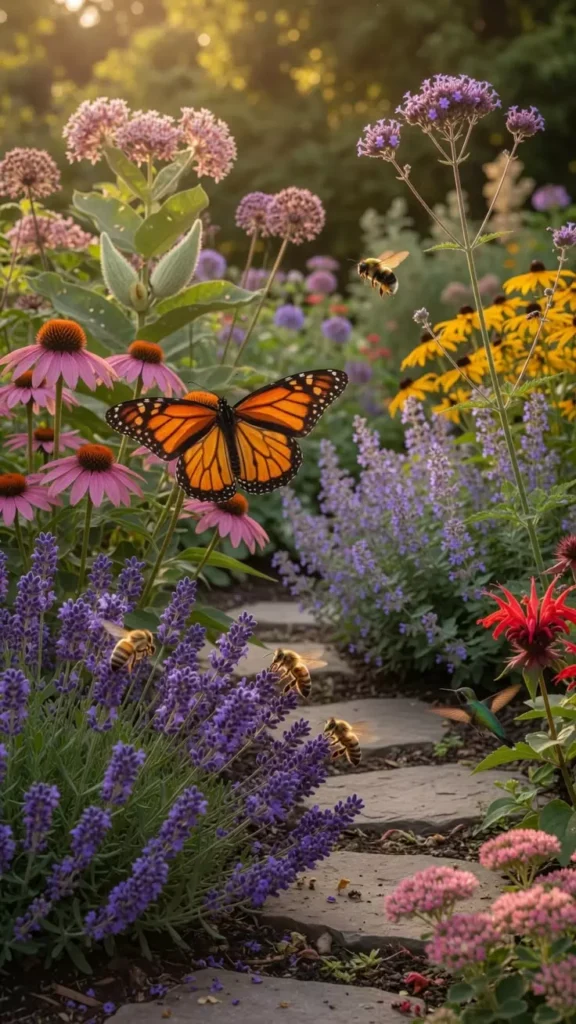
Bees love flowers that provide plenty of nectar and pollen, making bee-friendly plants an important part of any pollinator garden. Lavender, sunflowers, zinnias, and bee balm are beautiful options.
Plant flowers in small groups rather than spreading them randomly throughout the yard. Large patches of blooms make it easier for bees to find food while creating a fuller garden appearance.
3. Pollinator Garden for Butterflies and Hummingbirds
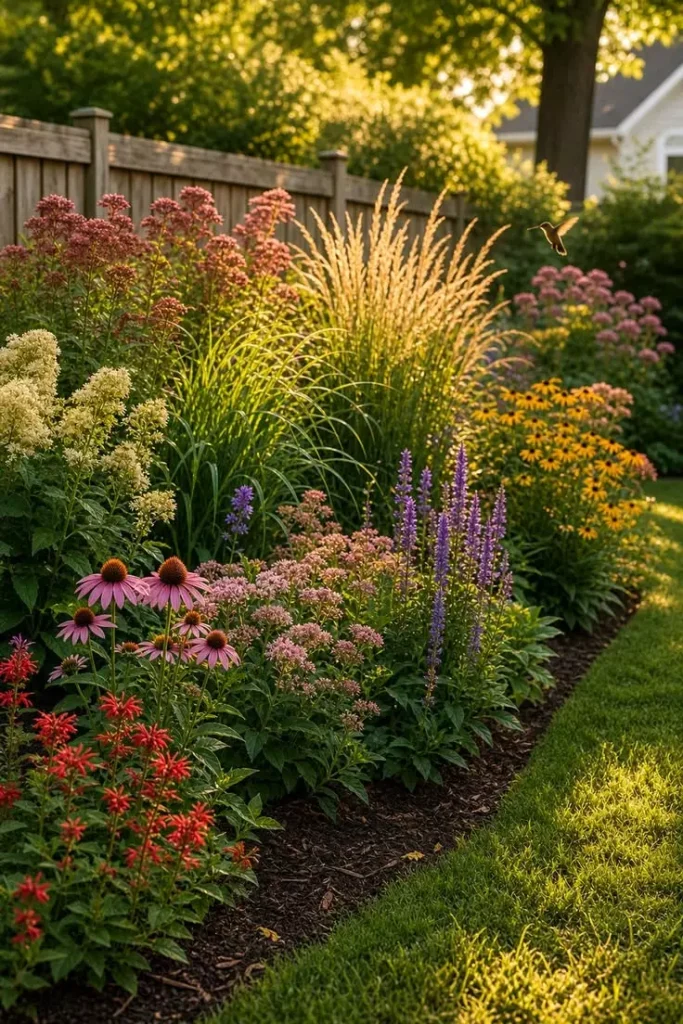
If you want to attract both butterflies and hummingbirds, choose flowers with different shapes, colors, and heights. Bright blooms such as salvia, zinnias, coneflowers, and trumpet-shaped flowers can create an inviting environment.
A layered pollinator garden gives different visitors places to feed. Taller flowers can grow behind shorter plants, creating an attractive and practical garden design.
4. Pollinator Garden with Bright Sunflowers
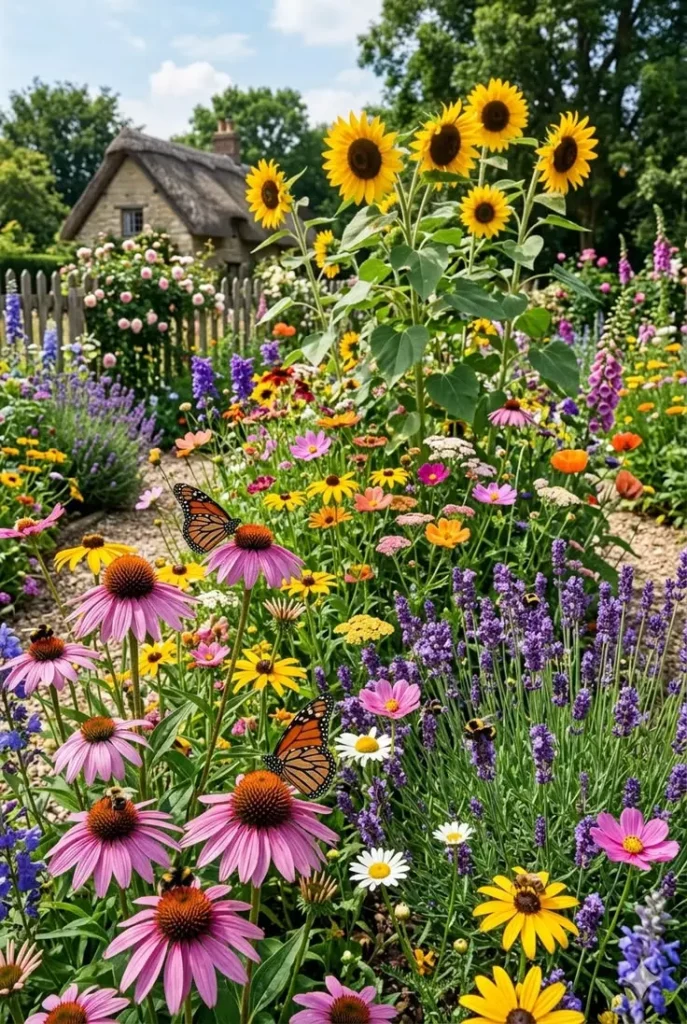
Sunflowers can become a cheerful focal point in a pollinator garden. Their large blooms provide a noticeable source of food for bees and other beneficial insects.
Plant several sunflowers together near the back of your garden. Their height adds structure, while the golden flowers create a warm and sunny look throughout the growing season.
5. Pollinator Garden with Lavender and Herbs
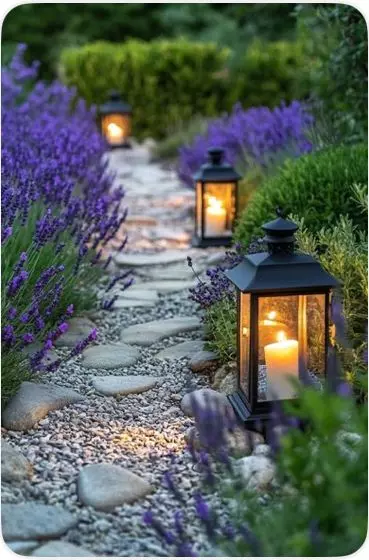
Lavender is both attractive and useful in a pollinator garden. Its fragrant purple flowers can bring bees and butterflies into your outdoor space while adding a relaxing scent.
You can also include herbs such as thyme, oregano, mint, and rosemary. Allow some herbs to flower instead of harvesting every bloom so pollinators can enjoy them.
6. Pollinator Garden Ideas for Small Spaces
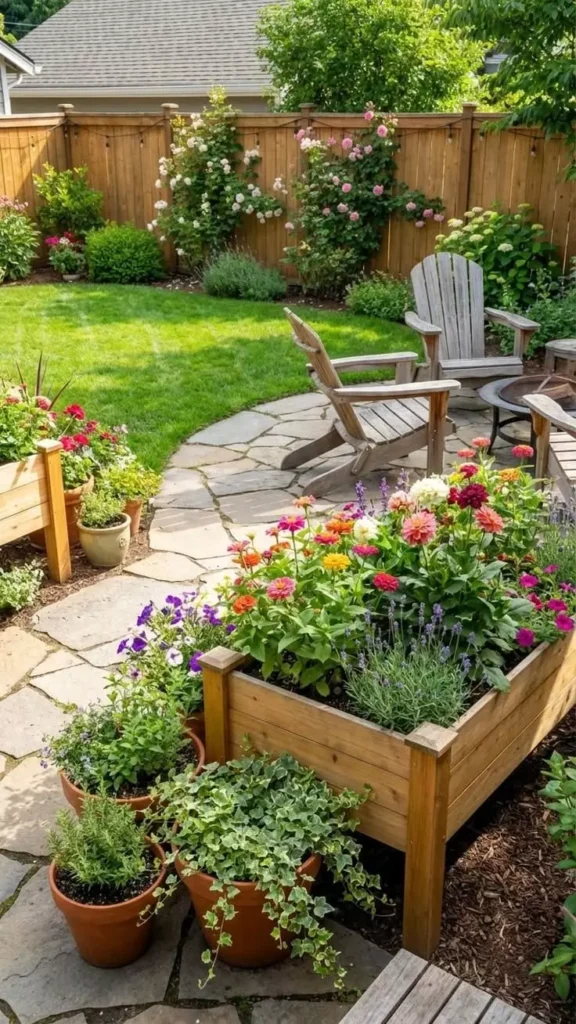
You do not need a huge backyard to create a pollinator garden. A small flower bed, balcony, patio, or sunny corner can become a useful space for pollinators.
Use containers filled with nectar-rich flowers and place them together to create a mini garden. Vertical planters and window boxes are also great options when ground space is limited.
7. Pollinator Garden with Native Wildflowers
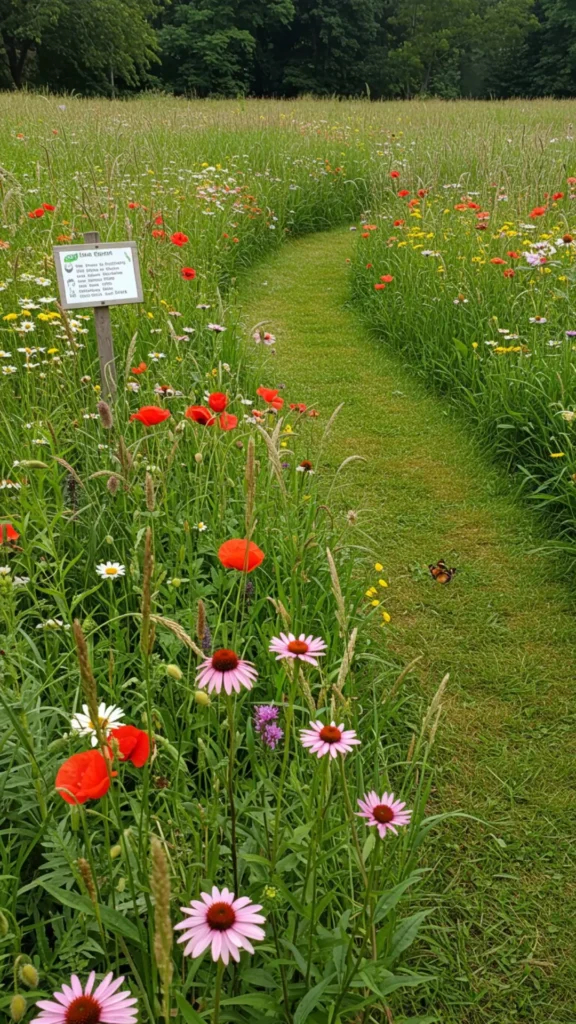
Native wildflowers can give a pollinator garden a natural and relaxed appearance. They often require less attention once established and can provide seasonal food for local pollinators.
Choose a combination of early, mid-season, and late-blooming wildflowers. This approach helps provide flowers throughout different parts of the growing season.
8. Pollinator Garden with a Butterfly-Friendly Border
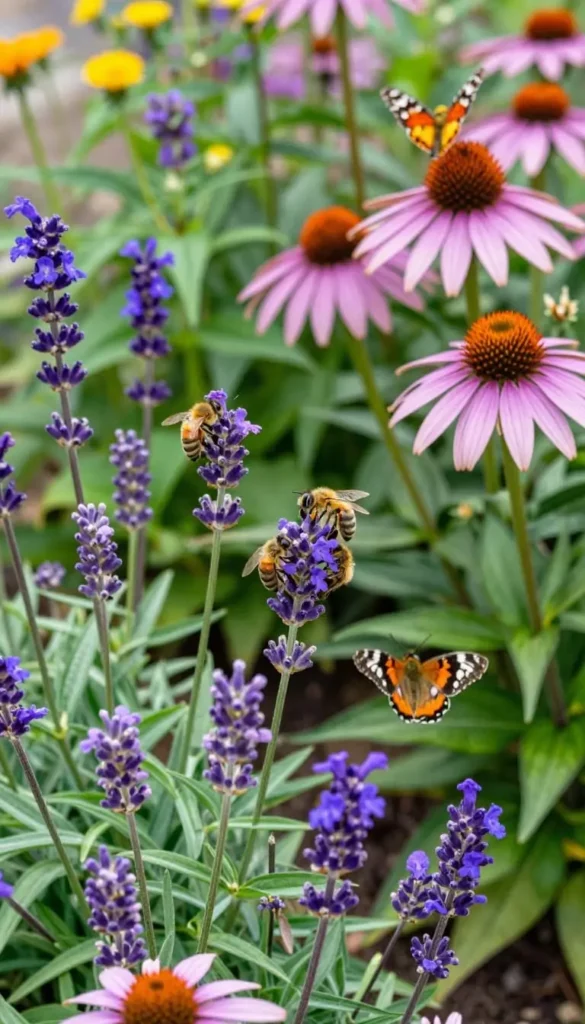
A butterfly-friendly border can turn the edge of your yard into a colorful pollinator garden. Plant flowers in clusters along pathways, fences, or garden borders for a beautiful display.
Include nectar-rich plants along with host plants that butterflies can use during their life cycle. A mixture of flowers and foliage makes the border both attractive and functional.
9. Pollinator Garden with Hummingbird-Friendly Flowers
Hummingbirds are naturally attracted to brightly colored, tubular flowers. Adding plants such as salvia and other hummingbird-friendly blooms can make your pollinator garden feel especially lively.
Place these flowers where you can easily see them from a window, porch, or seating area. Watching hummingbirds move from flower to flower can become one of the most enjoyable parts of your garden.
10. Pollinator Garden with Continuous Blooms
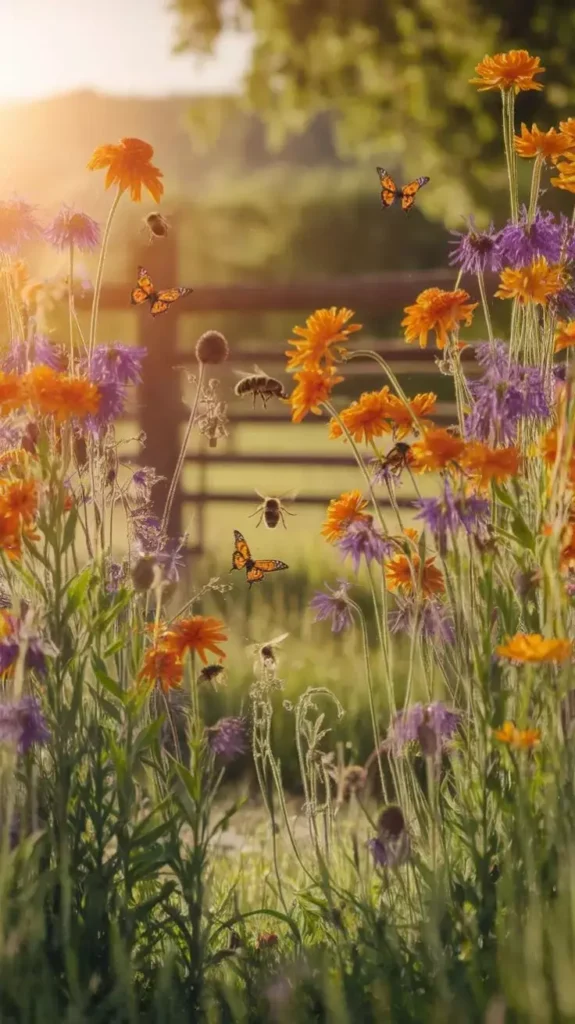
A successful pollinator garden should offer flowers across as much of the season as possible. Instead of choosing plants that bloom at the same time, combine early, summer, and late-season flowers.
This creates a changing garden display while giving pollinators a more reliable source of food. Planning bloom times is one of the easiest ways to make your garden more useful.
11. Pollinator Garden with a Water Source
Pollinators need water as well as flowers, so consider adding a shallow water source to your pollinator garden. A small birdbath, shallow dish, or simple water feature can work beautifully.
Add stones or pebbles that provide safe landing spots. Keep the water fresh and clean so your garden remains welcoming and healthy for visiting insects and birds.
12. Pollinator Garden with Sunny Flower Beds
Many flowering plants perform best in sunny locations, making sunlight an important consideration when planning a pollinator garden. Choose a spot that receives several hours of sunlight each day.
Arrange taller plants toward the back and shorter flowers toward the front. This simple layout allows more plants to receive sunlight while giving the garden a neat and layered appearance.
13. Pollinator Garden with Native Shrubs and Perennials
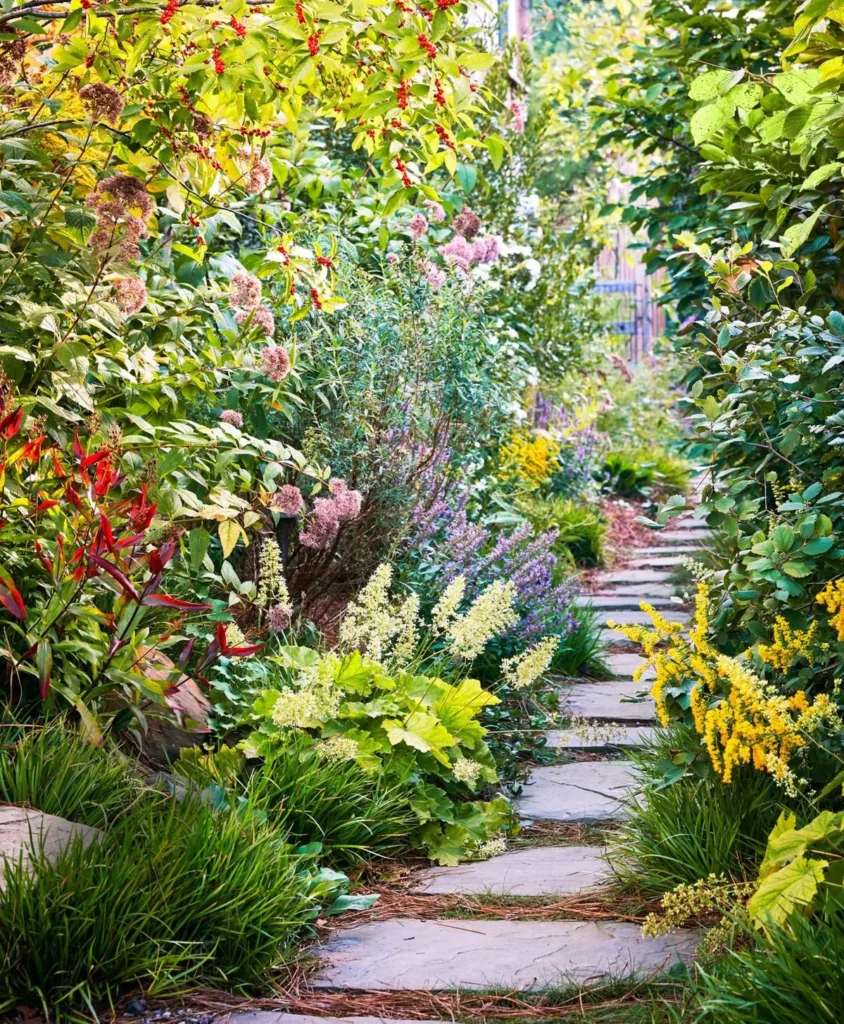
Adding shrubs and perennial flowers can give your pollinator garden more structure and long-term beauty. Perennials return year after year, making them a practical choice for gardeners who want less seasonal replanting.
Combine shrubs with smaller flowers to create different heights. This makes the garden look fuller while providing additional shelter and feeding opportunities for wildlife.
14. Pollinator Garden Ideas for a Cottage-Style Yard
A cottage-style pollinator garden can create a charming, slightly wild look filled with colorful blooms. Mix different flowers instead of using a perfectly symmetrical planting pattern.
Choose plants with various heights, textures, and colors. A relaxed arrangement can make your backyard feel cozy while creating an inviting environment for bees and butterflies.
15. Pollinator Garden with a Wildflower Meadow Look
A small wildflower meadow can turn an ordinary section of your yard into a vibrant pollinator garden. Scatter compatible wildflowers across an open sunny area for a more natural appearance.
This style works especially well when you want a low-formality garden. The combination of different blooms can attract a variety of pollinators while adding movement and color to your landscape.
16. Pollinator Garden with Fragrant Flowers
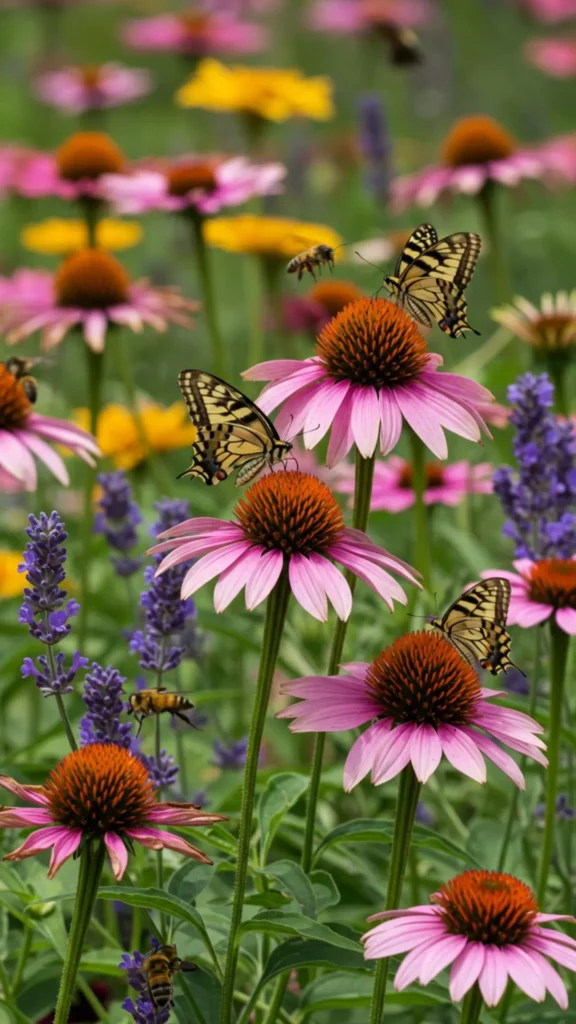
Fragrant flowers can make a pollinator garden more enjoyable for people while providing valuable blooms for insects. Lavender, herbs, bee balm, and other scented flowers can add both beauty and character.
Place fragrant plants near patios, pathways, or seating areas where you can enjoy their scent. This creates a garden that is appealing to both people and pollinators.
17. Pollinator Garden with Natural Garden Design
A natural-looking pollinator garden does not have to be messy or difficult to maintain. Use repeating groups of flowers, curved planting beds, and different plant heights to create an intentional design.
Avoid making every part of the garden perfectly uniform. A little variation gives the space a more natural appearance and creates different feeding areas for pollinators.
18. Pollinator Garden with Sustainable Gardening Practices
Sustainable gardening can make your pollinator garden even more beneficial. Avoid unnecessary chemical treatments and choose plants that are naturally suited to your growing conditions.
Leaving some seed heads and plant stems through part of the year can also provide shelter and food for wildlife. Simple, thoughtful gardening choices can make a noticeable difference.
19. Pollinator Garden Ideas for a Low-Maintenance Yard
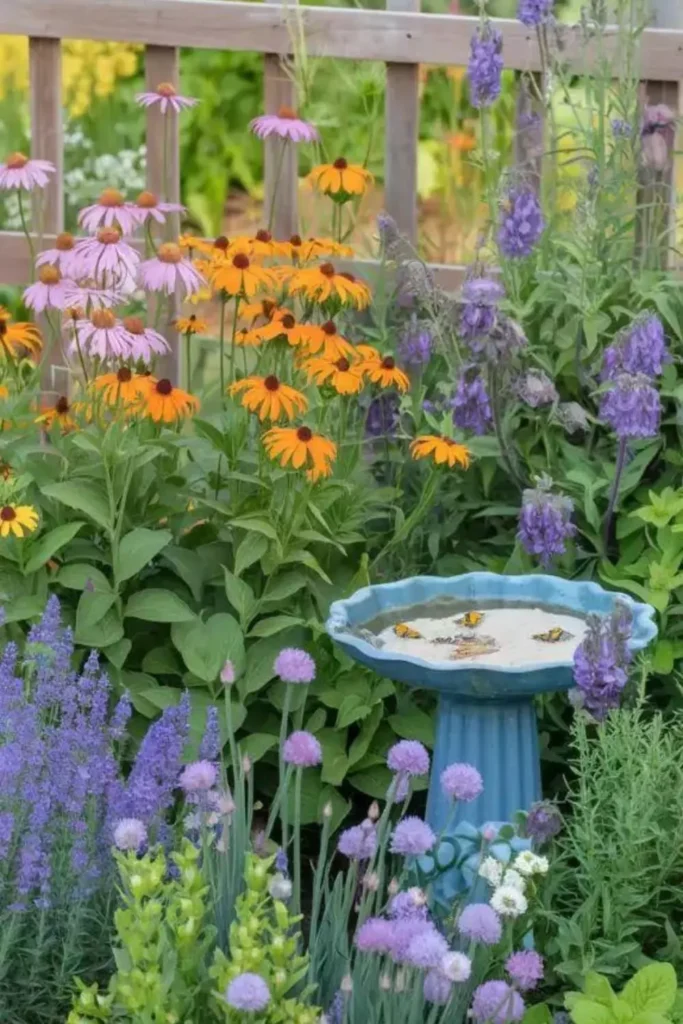
A low-maintenance pollinator garden is perfect if you want beautiful flowers without spending every weekend gardening. Start with hardy native plants and perennials that can handle your local growing conditions.
Group plants with similar water and sunlight needs together. Mulching around plants can also help retain moisture and reduce the amount of time spent dealing with weeds.
20. Pollinator Garden Tips for a Thriving Backyard
The best pollinator garden combines food, water, shelter, and a variety of flowering plants. Choose different bloom times so pollinators can find something useful throughout the season.
Keep your garden free from unnecessary chemical treatments, provide a shallow water source, and leave some natural areas for shelter. With a little planning, even a simple backyard can become a colorful pollinator-friendly space.
FAQs About Pollinator Garden Ideas
What is a pollinator garden?
A pollinator garden is a garden designed with flowering plants that provide nectar, pollen, and habitat for bees, butterflies, hummingbirds, and other helpful pollinators.
What flowers are best for a pollinator garden?
Popular choices include coneflowers, sunflowers, lavender, zinnias, salvia, bee balm, asters, and native wildflowers. Native plants are especially useful for supporting local pollinators.
How do I start a pollinator garden?
Choose a sunny location, select pollinator-friendly plants, group flowers together, and include plants that bloom at different times. Adding water and natural shelter can make the garden even more welcoming.
Can I create a pollinator garden in a small yard?
Yes. Containers, window boxes, raised beds, and small flower borders can all work. Even a few well-chosen flowering plants can provide useful food for visiting pollinators.
How can I attract more bees and butterflies?
Plant a variety of colorful, nectar-rich flowers, avoid unnecessary pesticides, provide water, and choose plants with different bloom periods. A diverse garden will usually attract a wider range of pollinators.
Conclusion
A pollinator garden can transform an ordinary outdoor space into a colorful and lively backyard retreat. From native wildflowers and sunny flower beds to butterfly-friendly borders and hummingbird blooms, there are plenty of ways to create a garden that looks beautiful and supports nature.
Start with a few easy plants and expand your garden over time. With the right combination of flowers, water, shelter, and sustainable practices, your pollinator garden can become a welcoming space for bees, butterflies, and hummingbirds.